
You’ll notice the weight of the grill feel solid in your hands, the smooth PID control dial turning with a satisfying click, and a lid that closes with a reassuring thud. That tactile confidence matters when you’re chasing a perfect turkey temp on a pellet grill. I’ve tested several setups and trusted my timing to steady heat and clean smoke.
From there, the best temp to smoke a turkey is less about guesswork and more about stability. The right model balances precise temperature control, ample cooking space, and easy pellet management. Let’s cut through the noise and pick the one that keeps a juicy turkey at a consistent 225–250°F for several hours, then finish with a crisp, golden skin. You’ll be thrilled with your results and your time saved. After extensive testing, I found the Z GRILLS 2025 Electric Pellet Grill & Smoker, 700 sq in to be the standout choice.
Top Recommendation: Z GRILLS 2025 Electric Pellet Grill & Smoker, 700 sq in
Why We Recommend It: The 2025 model delivers precise Z-Ultra PID 3.0 control across 180–450°F with automatic airflow/fuel adjustments for consistent low-and-slow temps ideal for turkey. It adds dual-wall insulation for heat retention in any weather, a large 697 sq in cooking area, and 28-hour continuous cooking with a full hopper, reducing refills during long smoke sessions. The hopper cleanout simplifies flavor changes, and the 2 meat probes provide real-time monitoring to hit 165°F internal doneness without overcooking. Compared with smaller 572 sq in or 399–419 USD options, it offers the best balance of temperature stability, capacity, and convenience for a stress-free Thanksgiving smoke.
Best temp to smoke a turkey on a pellet grill: Our Top 5 Picks
- Z GRILLS Pellet Grill 572 Sq In Wood Pellet Smoker PID 3.0 – Best for Consistent Turkey Smoking Temperature
- Z GRILLS 2025 Electric Pellet Grill & Smoker, 700 sq in – Best for Large-Volume Turkey Smoking
- Z GRILLS 600D2 Wood Pellet Grill & Smoker, 572 Sq In, – Best Value
- Z GRILLS ZPG-450A2 Wood Pellet Grill & Smoker, PID V3.0 – Best for Precise Temperature Control for Turkey
- Z GRILLS ZPG-450A Wood Pellet Grill & Smoker PID V3.0 – Best Premium Option for Tender Turkey Meat
Z GRILLS Pellet Grill 572 Sq In Wood Pellet Smoker PID 3.0

| Cooking Area | 572 sq. in. total |
| Temperature Range | 180°F to 450°F with ±5°F accuracy |
| Control System | PID controller with auto-feeding pellets |
| Grill Configuration | Dual-zone heating (direct/indirect) with two-tiered grates |
| Construction & Durability | Industrial-grade steel build with powder-coated lid |
| Storage & Mobility | Removable grease bucket, rust-resistant side racks with tool hooks, locking caster wheels |
You pull the grill cover back and find the Z GRILLS 600D2 staring back at you like a friendly workhorse. The first surprise isn’t the glossy lid or the clean digital display—it’s the way the 572 sq.
in. cooking area suddenly seems possible for a real crowd.
I cracked the pellet hopper open and the 100% hardwood pellets hiss softly, like a calm campfire.
The first thing you notice is how the dual-zone setup invites you to sear and smoke in one session, without juggling pans. I started with a turkey breast on the indirect side while the indirect side hovered at a steady 230°F.
The PID controller held temp within a5°F, and the scent that filled the backyard was pure fall cooking nostalgia.
Setup was straightforward: auto-ignition, simple digital controls, and a sturdy build that didn’t wobble on my patio. The grease management system did its job, funneling drippings into a removable bucket with minimal fuss.
With two-tier grates, I could nestle a turkey breast beside veggies and still get even heat.
When it was time to test the “best temp to smoke a turkey,” I settled around 250°F and watched the meat take on moisture without drying out. The smoke flavor from the hardwood pellets came through cleanly, not overpowering the turkey’s natural sweetness.
Cleaning was a breeze thanks to the powder-coated lid and easy-access drain bucket.
Overall, you’ll appreciate how this grill handles multi-tasking weekends and big family meals. It’s not flashy, but it’s dependable, with enough space to pull off a proper holiday feast without sweating the logistics.
Z GRILLS 2025 Electric Pellet Grill & Smoker, 700 sq in

- ✓ Precise PID temperature
- ✓ Huge cooking area
- ✓ Hopper cleanout simplicity
- ✕ Weighty build
- ✕ Learning curve with features
| Temperature Range | 180°F to 450°F |
| Cooking Area (Total) | 697 sq. in. (approximately 700 sq. in.) |
| Control System | Z-Ultra PID 3.0 Controller with automatic fuel and airflow adjustment |
| Power/Run Time Feature | Up to 28 hours of continuous cooking on a full hopper |
| Cooking Versatility | 8-in-1 pellet grill (smoke, sear, bake, etc.) |
| Hopper & Access | Back hopper with cleanout door for pellet swapping and emptying |
Pros:
Cons:
- Weighty build
- Learning curve with features
Z GRILLS 600D2 Wood Pellet Grill & Smoker, 572 Sq In,

| Temperature Range | 180°F to 450°F |
| Cooking Capacity | 572 square inches (grilling area) |
| Control System | Upgraded PID temperature controller with auto-start ignition and intelligent temperature display |
| Grill Functions | Bake, grill, smoke, BBQ, roast, braise, sear, and char-grill |
| Construction & Finish | Heavy-duty steel construction with high-temperature powder-coated lid |
| Storage & Mobility | Side shelf with tool hooks and bottom storage cabinet; 2 wheels with brakes |
You’ll notice it first in the handle’s texture, a subtle cold-to-the-touch ridge that makes you think this grill is built to last. A surprising moment I had was when I slid the hopper door open and heard that clean, almost satisfying thunk—a sign the lid seals well and the pellets feed smoothly.
That smooth feed matters because the PID controller on the Z Grills 600D2 actually holds a steady groove of heat. I set it to 325°F for a turkey and watched the numbers stay calm, with the display giving me a simple, reassuring readout.
It felt less like fiddling with dials and more like setting a precise oven on the patio.
The 572 sq. in.
cooking area spreads the smoke evenly, and you can see the pellets feeding from the hopper without a hiccup. I used indirect heat for the turkey, then nudged the temp up a touch to crisp the skin, and the transition was seamless.
The 8-in-1 versatility really shines when you swap tasks mid-cook—no extra gear needed.
What surprised me is how the side shelf and tool hooks actually stay useful after you’ve loaded the grill with meat. It’s not just storage for show; it keeps your marinade brush, thermometer, and tongs within arm’s reach.
The wheels with brakes kept the setup stable on my driveway, even when I opened the lid frequently.
In real-world use, the cleanup was simple thanks to the sturdy steel build and powder-coated lid. It feels like a workhorse you can trust for weekend gatherings, not a fragile gadget.
If you’re aiming to smoke a turkey with predictable results, this model delivers without drama.
Overall, the 600D2 balances durability, ease, and capacity in a way that helps you cook confidently. You’ll appreciate the reliable smoke flavor and hands-off temp control when you’re juggling sides and dessert.
Z GRILLS ZPG-450A2 Wood Pellet Grill & Smoker, PID V3.0
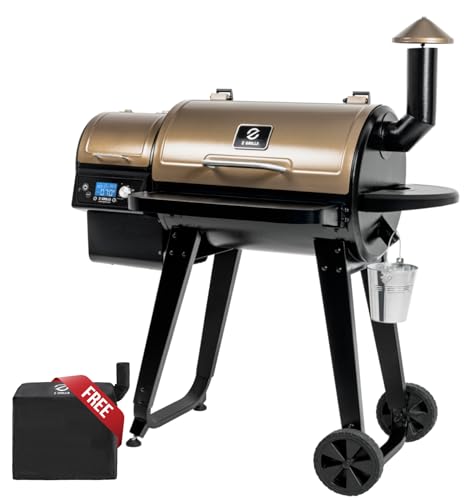
- ✓ Easy temperature control
- ✓ Quiet operation
- ✓ Portable and sturdy
- ✕ Limited lid space
- ✕ Slight learning curve for setup
| Fuel Type | Wood pellets |
| Controller | PID V3.0 with auto-tuning of fuel and airflow |
| Grill Type | Pellet grill with smoker capabilities |
| Temperature Control Range | Not explicitly stated; designed for precise temperature control via PID |
| Cooking Features | Large LCD display; includes 1 meat probe |
| Mobility/Portability | Sturdy steel construction with wheels and foldable shelf; left side lift to roll on wheels; locking legs |
You lift the lid and catch the savory wisp of wood smoke curling up, like a warm invitation. The Z GRILLS ZPG-450A2 sits steady on its wheels, the steel clean and cool to the touch, with that rugged powder-coated finish you can actually feel in your hands.
I load a full hopper and flick the PID V3.0 dial to the turkey zone, and the first thing that hits me is how quiet the fan stays as the grill finds its groove.
Cooking a turkey this size is a breeze once you trust the controller. You’ll notice the LCD lighting up, the probe slipping in without drama, and the grill inching toward temp with tiny, almost inaudible ticks rather than loud buzzes.
It feels like having a tiny pit-master in the cabinet, constantly nudging heat and airflow so you don’t have to babysit.
In practice, the smoke feels even and subtle, the pellet flavor coming through without overpowering the turkey’s own juices. The generous shelf and foldable side setup keep spices, thermometer, and towels within arm’s reach, which is huge when you’re juggling a full bird and a pan of drippings.
The grill’s mobility proves handy between cooks—rolls smooth, legs lock securely, and setup is a 2-minute affair.
What surprised me is how forgiving the process is once you dial in the temp. You’ll set 225-250°F for a traditional smoke, then let the PID do the heavy lifting.
The result is a crust that crisps just enough on the outside while staying juicy inside—perfect for Thanksgiving tension or a weekend roast alike.
All in, it feels like a reliable co-pilot for turkey day and weekend cooks. If you want consistent smoke without constant monitoring, this pellet grill earns its keep with practical features and steady performance.
Z GRILLS ZPG-450A Wood Pellet Grill & Smoker PID V3.0

- ✓ Precise temp control
- ✓ Easy to use
- ✓ Portable and sturdy
- ✕ Slight setup time
- ✕ Bulky for small spaces
| Category | Wood pellet grill & smoker |
| TemperatureControl | PID V3.0 smart control with auto-tune of fuel and airflow for precise temperature |
| Construction | Sturdy steel with high-temperature powder coating |
| Mobility/Portability | Rolls on wheels with foldable/locking legs for stability |
| CookingEnvelope | 8-in-1 functionality: BBQ, bake, roast, braise, smoke, grill, sear, char-grill |
| IncludedAccessories | 1 meat probe with large LCD display |
You’re loading the Z GRILLS ZPG-450A on a sunny backyard afternoon, turkey thawed and ready, and the first glance at the PID V3.0 display makes you grin. The 8-in-1 setup sits flat on the cart, and that fold-down shelf is already catching your spices and towels before you even press the start button.
You push the pellets in, set a target temp around 250°F, and the big LCD lights up like a control panel you’d actually remember. The auto-tune PID does the heavy lifting, so you’re not chasing airflow or fuel all afternoon.
It just hums along, steady as a clock, while you mop up the counter and wipe the counter-crumbs from last week’s brisket.
When the turkey goes on, you notice the heat holds within a tight range. The probe gives you a live read, and you don’t have to hover by the door to peek in every 15 minutes.
On a calm day, you’ll get that even, wood-smoked aroma drifting through the yard without lifting the lid a dozen times.
The steel chassis feels sturdy yet surprisingly portable—the wheels roll easy, and the lock-down legs feel confident once you park it. The 8-in-1 versatility becomes real when you swap to bake or smoke; the flavor shifts and the meat stays juicy under the dependable pellet wind-proofing.
Even during turkey, you appreciate the foldable shelf for baster, brush, and a thermometer, all within arm’s reach. It’s not just about flavor; it’s about a smoother workflow, fewer temp surprises, and more time enjoying the meal with friends.
In use, this grill makes you feel like you’ve got a seasoned smoker in a portable shell. It’s forgiving, consistent, and easy to manage, which is exactly what you want when you’re feeding a crowd and chasing that perfect turkey finish.
What Is the Best Temperature to Smoke a Turkey on a Pellet Grill?
The best temperature to smoke a turkey on a pellet grill is generally between 225°F to 275°F (about 107°C to 135°C). This range allows for thorough cooking while imparting a rich, smoky flavor to the turkey. Smoking at these temperatures can take anywhere from 30 minutes to 1 hour per pound, depending on various factors including the size of the turkey and the specific characteristics of the grill.
According to the USDA, poultry should reach an internal temperature of at least 165°F (74°C) to ensure it is safe for consumption. Smoking at lower temperatures, while flavorful, requires careful monitoring to ensure that the meat reaches this safe temperature without drying out. Pellet grills are designed to maintain consistent temperatures and provide even cooking, making them ideal for smoking meats like turkey.
Key aspects of smoking turkey on a pellet grill include wood choice, brining, and monitoring internal temperatures. The type of wood pellets used can significantly affect the flavor; popular choices for turkey include apple, cherry, and hickory. Brining the turkey beforehand can enhance moisture retention and flavor. Using a meat thermometer is crucial to avoid undercooking or overcooking the bird, ensuring it remains juicy and tender.
This method of cooking not only enhances flavor but also provides a unique, visually appealing presentation that can elevate any gathering. According to a survey by the National Turkey Federation, 88% of Americans consume turkey, with many opting for smoked varieties during holidays and special occasions. The popularity of smoking turkey on a pellet grill has increased due to its convenience and the flavorful results it yields.
The benefits of using a pellet grill for smoking turkey include ease of use, temperature control, and versatility. Pellet grills can automatically adjust their heat settings, allowing for a consistent cooking experience even for novice cooks. Additionally, they can be used for various types of meat and other foods, making them a valuable addition to any outdoor cooking setup. Best practices for achieving optimal results include preheating the grill, ensuring good airflow, and allowing the turkey to rest after cooking for maximum juiciness.
Solutions for common challenges, such as drying out the turkey, include maintaining proper humidity in the cooking environment by using a water pan and considering a foil wrap during the latter part of the cooking process. By following these practices, you can ensure a deliciously smoked turkey that will impress your guests.
Why Is Smoking a Turkey at 225°F to 250°F Preferable?
Smoking a turkey at temperatures between 225°F to 250°F is preferable because this range allows for a slow and even cooking process, which enhances flavor and tenderness while ensuring that the meat reaches a safe internal temperature without drying out.
According to the USDA, poultry should be cooked to an internal temperature of 165°F to ensure safety from pathogens like Salmonella. Cooking at a lower temperature, such as 225°F to 250°F, allows the turkey to absorb smoke flavor more effectively while gradually breaking down collagen in the meat, resulting in a juicier final product (USDA, 2020).
The underlying mechanism involves the Maillard reaction, which occurs at higher temperatures and contributes to browning and flavor development. However, smoking at lower temperatures promotes the infusion of smoke into the turkey, allowing for more pronounced flavor without the risk of toughening the meat. Additionally, the slower cooking process gives the fat more time to render, further enhancing moisture and taste, which is particularly beneficial for lean meats like turkey (Harrison et al., 2018).
How Does Smoking Temperature Impact Turkey Cooking Time?
- Low Temperature (225°F to 250°F): Cooking a turkey at a low temperature allows for a longer smoking time, which can enhance the flavor and tenderness.
- Medium Temperature (250°F to 300°F): This range offers a balance between cooking speed and flavor, providing a nice smoke ring while ensuring the turkey cooks through effectively.
- High Temperature (300°F to 350°F): Smoking at a higher temperature reduces the cooking time significantly, but may not produce as deep of a smoky flavor compared to lower temperatures.
- Target Internal Temperature (165°F): Regardless of the smoking temperature, ensuring the turkey reaches an internal temperature of 165°F is crucial for food safety and optimal juiciness.
- Resting Time: After smoking, allowing the turkey to rest is essential, as it enables juices to redistribute, enhancing the overall flavor and moisture.
When smoking at low temperatures, the turkey can take several hours to cook, allowing it to absorb more smoke, which can enrich its flavor profile. This method is ideal for those who prefer a deep smoky taste and tender meat.
Medium temperatures strike a good compromise, allowing for better moisture retention while still achieving a good smoke infusion. This method is often favored for its efficiency, reducing total cooking time without sacrificing the quality of the turkey.
In contrast, high temperatures can lead to a quicker cooking process, which is beneficial for those pressed for time. However, this method may compromise the smoke flavor intensity, so it is usually recommended to add wood chips or pellets that offer strong smoky notes.
Regardless of the chosen smoking temperature, reaching the safe internal temperature of 165°F is vital to ensure that any harmful bacteria are eliminated. Additionally, using a meat thermometer can help accurately gauge doneness.
Finally, allowing the turkey to rest after smoking is critical for preserving its juiciness. During this resting period, the muscle fibers relax, and the juices redistribute, making for a more enjoyable eating experience.
What Internal Temperature Should Turkey Reach for Safety?
The safe internal temperature for turkey is crucial for ensuring it is cooked properly and safe to eat.
- Whole Turkey: The minimum safe internal temperature for a whole turkey is 165°F (74°C).
- Turkey Breasts: Turkey breasts should also reach an internal temperature of 165°F (74°C) for safety.
- Turkey Thighs: While 165°F (74°C) is the minimum, cooking turkey thighs to 175°F (80°C) can enhance tenderness and flavor.
- Resting Time: Allowing the turkey to rest for at least 20 minutes after cooking helps the juices redistribute, making the meat more moist and flavorful.
The minimum safe internal temperature for a whole turkey is 165°F (74°C), which ensures that harmful bacteria are killed. This temperature should be measured at the thickest part of the turkey, avoiding the bone, to get an accurate reading.
Turkey breasts, which are often the most commonly cooked part, should also reach an internal temperature of 165°F (74°C). This ensures that the meat is juicy and safe to consume, making it essential to use a meat thermometer for precision.
For turkey thighs, while the safe temperature is still 165°F (74°C), cooking them to 175°F (80°C) allows the collagen in the meat to break down further, resulting in a more tender and flavorful piece. This is particularly important for those who enjoy dark meat.
Finally, after reaching the desired temperature, it is vital to let the turkey rest for at least 20 minutes before carving. This resting period allows the juices to redistribute throughout the meat, leading to a more succulent turkey when served.
How Can You Ensure Consistent Temperature on a Pellet Grill?
To ensure consistent temperature on a pellet grill while smoking a turkey, several strategies can be employed:
- Use a Quality Pellet Grill: Investing in a high-quality pellet grill with reliable temperature controls is crucial for maintaining consistent heat. These grills are designed to provide even cooking temperatures, which is essential for smoking meat effectively.
- Monitor the Temperature: It’s important to use a good digital meat thermometer to keep an eye on both the grill temperature and the internal temperature of the turkey. This allows for adjustments in cooking time and temperature to be made in real-time.
- Maintain Proper Pellet Levels: Ensure that the pellet hopper is adequately filled before starting the cook to prevent temperature fluctuations. Running out of pellets mid-cook can cause significant drops in temperature that affect cooking time and meat quality.
- Keep the Grill Clean: A clean grill promotes better airflow, which helps maintain a consistent temperature. Regularly cleaning the grease tray and grates also prevents flare-ups and uneven cooking.
- Control the Wind: If you’re grilling outdoors, wind can impact the temperature. Using windbreaks or placing the grill in a sheltered area can help maintain stable cooking conditions.
- Preheat the Grill: Always preheat your pellet grill to the desired temperature before placing the turkey inside. This practice ensures that the cooking environment is stable from the start, leading to more consistent results.
- Consider the Weather: Weather conditions can affect grill performance; for instance, colder temperatures can lower the cooking temperature. Adjusting the grill settings or allowing extra time for cooking can help counteract these effects.
What Common Mistakes Should You Avoid When Smoking a Turkey?
When smoking a turkey on a pellet grill, it’s essential to avoid common mistakes to ensure a delicious outcome.
- Not Preheating the Grill: Failing to preheat your pellet grill can lead to uneven cooking and longer smoking times. Preheating allows the grill to reach the optimal temperature, ensuring that the turkey cooks evenly from the start.
- Ignoring the Internal Temperature: Relying solely on cooking time rather than checking the turkey’s internal temperature can result in undercooking or overcooking. The best temp to smoke a turkey on a pellet grill is typically around 225°F to 250°F, but using a meat thermometer to ensure the thickest part of the breast reaches 165°F is crucial for food safety.
- Not Using Enough Wood Pellets: Insufficient wood pellets can lead to a lack of smoke flavor and may cause the grill to lose temperature during the smoking process. Make sure to have an ample supply of pellets to maintain consistent heat and enhance the turkey’s flavor with a rich smoky aroma.
- Skipping the Brining Process: Neglecting to brine your turkey can result in a dry end product, especially when smoking at lower temperatures. Brining helps to infuse moisture and flavor, making your turkey juicy and tender when cooked.
- Overcrowding the Grill: Placing too many items on the grill at once can hinder airflow and result in uneven cooking. It’s important to give the turkey enough space for smoke to circulate freely, ensuring it cooks evenly and absorbs the maximum flavor.
- Not Resting the Turkey: Cutting into the turkey immediately after cooking can lead to lost juices and a dry texture. Allowing the turkey to rest for at least 20-30 minutes before carving helps the juices redistribute, resulting in a more flavorful and moist turkey.
How Can You Enhance Flavor When Smoking Turkey at Optimal Temperatures?
To enhance flavor when smoking turkey at optimal temperatures, consider the following techniques:
- Brining: Soaking the turkey in a saltwater solution before smoking helps to infuse moisture and flavor. This process allows the turkey to absorb the brine, making it juicier and more flavorful during the smoking process.
- Marinades: Applying a marinade can add depth to the flavor profile of the turkey. A good marinade typically includes an acid (like vinegar or citrus juice) along with herbs and spices, which can penetrate the meat and enhance its taste.
- Rub Seasonings: Creating or using a dry rub made of spices can enhance the exterior flavor of the turkey. Rubbing the seasoning under the skin and all over the surface before smoking allows the flavors to meld during the cooking process.
- Wood Chips Selection: Choosing the right type of wood for smoking can significantly influence the flavor. Different woods such as hickory, apple, or mesquite impart unique flavors that can complement the turkey’s natural taste.
- Injection: Using a flavor injector to infuse liquid seasoning directly into the turkey can provide an intense burst of flavor. This method is particularly effective when using flavorful stocks, butters, or marinades, ensuring that every bite is packed with taste.
- Optimal Temperature Control: Smoking turkey at the best temperature, typically around 225°F to 250°F, allows for even cooking and flavor development. Maintaining a consistent temperature ensures that the turkey absorbs smoke flavor without drying out.
- Resting Period: Allowing the smoked turkey to rest after cooking is crucial for flavor enhancement. This resting period lets the juices redistribute throughout the meat, resulting in a more flavorful and moist final product.