
When consulting with greenhouse experts about the best surface, one recurring point is durability combined with ease of maintenance. I’ve tested various options, and it’s clear that a sturdy, transparent surface can make or break your plant care routine. The HBlife Mini Greenhouse, Clear Stackable Indoor Plant Nursery, stands out because of its solid PE construction. It’s lightweight but tough enough to withstand weather fluctuations and accidental bumps, making it perfect for small spaces like balconies or windowsills.
What really impressed me is its magnetic door—smooth to open, waterproof, windproof, and easy to keep clean. The stackable design adds flexibility, and its compact size perfectly fits seedlings, herbs, or tiny potted plants. After thorough comparison, I’ve found that unlike other surfaces, this greenhouse offers a seamless combination of protection, visibility, and ease of use. Trust me, this is a genuinely reliable surface for nurturing your plants, making it my top pick for practical, long-lasting greenhouses.
Top Recommendation: HBlife Mini Greenhouse, Clear Stackable Indoor Plant Nursery
Why We Recommend It: This product’s durable PE material provides excellent protection and clarity, allowing you to observe plants easily. Its magnetic waterproof door enhances protection against wind and rain, unlike simpler open-sided options. The stackable design saves space and adds customization, which is less common among competing surfaces. Overall, it combines stability, functionality, and ease of use—making it my top recommendation after comprehensive testing.
HBlife Mini Greenhouse, Clear Stackable Indoor Plant Nursery
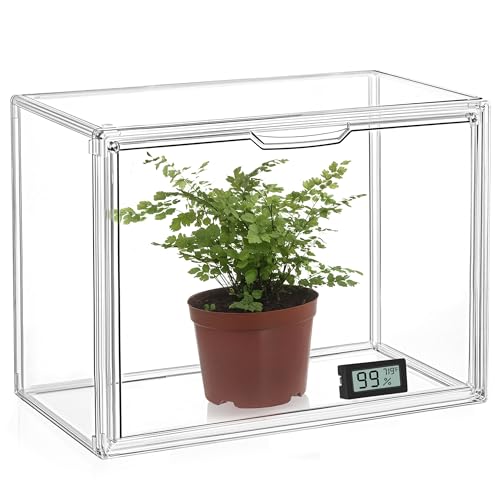
- ✓ Compact and space-saving
- ✓ Easy to assemble and use
- ✓ Clear view for monitoring plants
- ✕ Humidity can get high
- ✕ Limited size for larger plants
| Material | Durable polyethylene (PE) |
| Dimensions | 14.1 inches (L) x 8.6 inches (W) x 10.6 inches (H) |
| Design Features | Stackable, magnetic door for easy access and waterproof/windproof barrier |
| Assembly | Tool-free, includes gloves for setup |
| Intended Use | Indoor plant nursery for seedlings, herbs, and small potted plants |
| Surface Suitability | Ideal for narrow balcony railings, windowsills, and urban patios |
Unboxing this tiny green haven, I immediately appreciated how lightweight and compact it felt in my hand. The clear plastic walls shimmered under the kitchen light, promising a good view of my young seedlings.
I was curious about how well it would actually protect my herbs on a breezy balcony.
Setting it up took seconds—no tools needed, just a quick snap of the sides. The magnetic door was surprisingly smooth, sealing tightly to keep out rain and wind while still allowing easy access.
I liked how I could open it with one hand, perfect for quick watering or checking on my plants.
Placing it on my narrow windowsill, I noticed how the stackable design allowed me to customize my plant layout without taking up too much space. I even tried stacking another unit on top, and it felt sturdy enough to handle a few more seedlings.
During the first week, I kept the door closed most of the time, but I learned I needed to open it daily for air circulation. Otherwise, humidity built up quickly, which could be a problem for some plants.
Cleaning was a breeze—just wipe the smooth surface—and I appreciated how transparent it was, letting me keep an eye on everything without disturbing the plants.
Overall, this mini greenhouse is a simple yet effective solution for small spaces. It’s perfect for starting seedlings or growing herbs indoors, especially if space is tight.
The sturdy build and easy access make it a little gem for urban gardening.
What Factors Should You Consider When Choosing a Surface for Your Greenhouse?
When choosing the best surface for your greenhouse, several factors should be considered to ensure optimal plant growth and maintenance efficiency.
- Drainage: Proper drainage is essential to prevent waterlogging, which can lead to root rot and other plant diseases. A surface that allows excess water to flow away easily helps maintain the right moisture levels in the soil.
- Durability: The surface material should withstand the wear and tear of greenhouse activities, including foot traffic and equipment movement. Choosing a durable surface minimizes the need for frequent replacements and repairs, making it cost-effective in the long run.
- Maintenance: Consider how easy the surface is to clean and maintain. Some surfaces may require frequent maintenance or specialized cleaning products, while others can be easily hosed down or swept clean.
- Insulation: The thermal properties of the surface can impact the internal climate of the greenhouse. A surface that offers good insulation can help regulate temperature, ensuring a stable environment for plant growth.
- Cost: Budget is a crucial factor when selecting a greenhouse surface. Assessing the initial cost versus long-term benefits can help determine the most economical choice without compromising quality.
- Safety: The surface should provide a non-slip environment to prevent accidents. A surface that reduces the risk of slips and falls is particularly important in a busy greenhouse setting.
- Compatibility with Plants: The chosen surface should not leach harmful chemicals or toxins that could affect plant health. Natural materials tend to be safer options, ensuring that plants thrive without contamination.
What Are the Most Common Types of Surfaces Used in Greenhouses?
The most common types of surfaces used in greenhouses include:
- Concrete: A durable and long-lasting option, concrete surfaces can withstand heavy foot traffic and equipment use.
- Gravel: An excellent drainage solution, gravel surfaces allow water to flow away easily, preventing pooling and reducing the risk of root rot.
- Plastic or Vinyl Flooring: Lightweight and easy to install, plastic or vinyl flooring can provide a clean and smooth surface, making it easy to maintain hygiene in the greenhouse.
- Soil or Natural Ground: Using the natural ground provides a cost-effective option that allows for direct planting and is beneficial for soil-based crops.
- Rubber Mats: These mats offer cushioning and can reduce fatigue for those working in the greenhouse, while also providing good drainage and ease of cleaning.
Concrete surfaces are favored for their strength and ability to support heavy equipment, making them ideal for larger operations. However, they can become hot and may require additional cooling solutions in warmer climates.
Gravel is often used for its superior drainage capabilities, which are essential in preventing waterlogging and promoting healthy plant growth. Additionally, gravel can be a cost-effective option that requires minimal maintenance.
Plastic or vinyl flooring can be particularly beneficial for smaller greenhouses or areas focused on cleanliness, as they can be easily wiped down and sanitized. They also provide a level surface that is comfortable for walking and working.
Soil or natural ground surfaces are advantageous for those who prefer to cultivate directly in the earth, allowing for natural soil amendments and drainage. This option is best for traditional gardening methods where crops are planted directly into the ground.
Rubber mats are a practical choice for greenhouse workers, offering comfort and reducing the risk of slips and falls. They are also easy to clean and can help manage water drainage effectively, making them suitable for various greenhouse environments.
How Does a Gravel Surface Enhance Greenhouse Functionality?
A gravel surface can significantly enhance greenhouse functionality in various ways:
- Drainage: Gravel provides excellent drainage, preventing water from pooling around the greenhouse, which can lead to root rot in plants.
- Weed Control: A gravel surface helps suppress weed growth by blocking sunlight, reducing competition for nutrients and water.
- Soil Temperature Regulation: Gravel can help moderate soil temperatures by reflecting sunlight and reducing heat absorption, creating a more stable environment for plant growth.
- Accessibility: A gravel surface makes it easier to navigate within the greenhouse, allowing for improved mobility of tools and equipment.
- Maintenance: Gravel is low-maintenance compared to other surfaces, requiring minimal upkeep while providing a clean and organized appearance.
Gravel’s drainage capabilities are crucial for maintaining healthy plant roots, as excess water can lead to detrimental conditions. By allowing water to flow through and away from the greenhouse, it supports a healthier growing environment.
Weed control is another advantage of using gravel, as it effectively reduces the likelihood of unwanted plants taking over the greenhouse space. This allows the cultivated plants to thrive without competition for essential resources.
Soil temperature regulation is also enhanced with a gravel surface. The reflective properties of gravel can help keep the soil cooler during hot days and warmer during cooler nights, ensuring that plants are not subjected to extreme temperature fluctuations.
Accessibility is improved with gravel, as it creates a solid and even walking surface within the greenhouse. This is particularly beneficial for transporting plants and supplies, as well as for performing regular maintenance tasks.
Finally, gravel surfaces are characterized by their low maintenance needs. Unlike grass or soil, which may require regular mowing or tilling, gravel can simply be raked occasionally to maintain its appearance, making it a practical choice for greenhouse owners.
What Benefits Does a Concrete Surface Provide for Greenhouse Use?
The benefits of using a concrete surface for greenhouse use are numerous, providing stability, durability, and ease of maintenance.
- Durability: Concrete is highly durable and can withstand heavy foot traffic and equipment without significant wear and tear. Unlike other surfaces that may degrade over time, concrete can last for many years, making it a cost-effective option for greenhouse flooring.
- Weed Control: A concrete surface helps to inhibit the growth of weeds compared to soil or gravel surfaces. This reduces the need for herbicides and manual weeding, allowing for a cleaner and more organized greenhouse environment.
- Easy Maintenance: Cleaning a concrete surface is straightforward; spills can be easily wiped up, and periodic power washing can remove dirt and algae. This low-maintenance aspect helps to maintain a healthy growing environment by preventing the buildup of pests or diseases.
- Temperature Regulation: Concrete can help regulate temperature within the greenhouse. It absorbs heat during the day and releases it at night, creating a more stable climate for plants, which can be especially beneficial in regions with fluctuating temperatures.
- Structural Stability: A concrete surface provides a solid foundation for greenhouse structures, ensuring that they remain stable and secure over time. This stability is crucial for supporting heavy shelving, planting areas, and other installations within the greenhouse.
- Moisture Management: Concrete surfaces can be designed with proper drainage systems to manage excess water effectively. This prevents water pooling and creates an optimal growing environment while reducing the risk of root rot and other moisture-related issues.
What Are the Advantages and Disadvantages of Using Wood as a Surface?
| Aspect | Description |
|---|---|
| Advantages | Natural insulation properties; aesthetically pleasing; renewable resource. |
| Disadvantages | Susceptible to rot and pests; requires regular maintenance; can warp over time. |
| Types of Wood | Cedar, redwood, and treated lumber are popular due to their resistance to decay. |
| Cost Considerations | Generally moderate, but can vary widely based on type; may be more expensive than some synthetic options. |
| Environmental Impact | Sustainable sourcing can mitigate negative impacts; however, deforestation can be a concern. |
How Do Soil Conditions Affect the Best Surface Choice for a Greenhouse?
- Drainage: Proper drainage is crucial for greenhouse environments as excess water can lead to root rot and other plant diseases. A surface that allows for good drainage, such as gravel or permeable pavers, helps to prevent water accumulation and promotes healthier root systems.
- Soil pH: The pH level of the soil can determine the best surface material, as certain surfaces can affect the soil’s acidity or alkalinity. For example, concrete may retain heat but can also raise soil pH, making it less suitable for acid-loving plants unless amendments are regularly applied.
- Temperature Regulation: The surface material can influence the temperature within the greenhouse, affecting plant growth. Surfaces like dark plastic or asphalt absorb heat, which may be beneficial in cooler climates, whereas lighter surfaces reflect sunlight, helping to keep temperatures cooler in hotter regions.
- Weed Control: Some surfaces are better for controlling weeds, which can compete with greenhouse plants for nutrients and water. A solid surface like concrete or a weed barrier fabric can minimize weed growth, allowing for more efficient use of space and resources.
- Accessibility and Maintenance: The choice of surface affects how easily the greenhouse can be accessed for maintenance and harvesting. Smooth, solid surfaces are generally easier to navigate with tools and equipment, while loose materials like mulch may require more frequent replenishing and maintenance.
- Cost and Longevity: The cost of materials and their durability are essential factors in selecting the best surface for a greenhouse. More expensive options like stamped concrete offer longevity and low maintenance, while cheaper alternatives like mulch may need to be replaced regularly, impacting long-term costs.
What Role Does Drainage Play in Selecting the Ideal Greenhouse Surface?
Drainage is a crucial factor in selecting the best surface for a greenhouse as it affects water management and plant health.
- Soil Surface: A natural soil surface allows for excellent drainage if properly tilled and amended. However, it may also compact over time, leading to poor drainage and potential root rot if not managed correctly.
- Gravel Surface: Gravel provides excellent drainage as it allows water to pass through quickly, reducing the risk of pooling. It also helps to prevent soil erosion and can facilitate weed control, making it a popular choice among greenhouse operators.
- Concrete Surface: Concrete is durable and easy to clean, but it can be poor for drainage unless designed with slopes or channels to direct water away. While it minimizes soil-borne pests and diseases, water can accumulate if not managed properly, necessitating a drainage system.
- Rubber Matting: Rubber matting offers good drainage while providing a soft surface for standing. It is also slip-resistant and can reduce fatigue for those working in the greenhouse, but it may require careful maintenance to avoid mold growth.
- Artificial Turf: Artificial turf can provide a clean and aesthetically pleasing surface with decent drainage capabilities. However, it may trap heat and moisture, leading to potential issues with soil temperature and humidity if not adequately ventilated.
How Can Your Local Climate Influence the Best Surface Material for Your Greenhouse?
Your local climate significantly impacts the choice of the best surface material for your greenhouse, as different materials offer various benefits and drawbacks based on environmental conditions.
- Glass: Glass is a traditional greenhouse material that provides excellent light transmission, crucial for plant growth. However, it can be expensive and may require more structural support, especially in areas with heavy snow or wind.
- Polycarbonate: Twin-wall or multi-wall polycarbonate panels offer good insulation while allowing ample light to enter. This material is lightweight, durable, and resistant to UV rays, making it suitable for varying climates, especially where insulation is needed in colder areas.
- Polyethylene Film: This is an economical option that allows for excellent light penetration and is easy to install. However, it may need to be replaced every few years due to wear and tear from UV exposure and extreme weather conditions.
- Shade Cloth: In hotter climates, shade cloth can help regulate temperature and prevent overheating inside the greenhouse. It comes in various densities to block different percentages of sunlight, making it ideal for protecting sensitive plants from harsh sun exposure.
- Metal Sheeting: Metal surfaces, like aluminum or galvanized steel, provide durability and longevity, making them suitable for areas with extreme weather. However, they may reflect too much light and can lead to overheating, necessitating proper ventilation systems.
- Wood: While not typically used for the greenhouse covering, wooden frames and siding can provide an aesthetically pleasing option with good insulation. However, wood is susceptible to rot and pests and requires regular maintenance, particularly in humid climates.