
This product’s journey from last year’s mediocre performance to today’s standout capability demonstrates the importance of a solid, durable greenhouse structure. Having tested several options myself, I can tell you that the right frame makes all the difference—especially when dealing with tough weather like wind, snow, or rain. The Kingdura 6x12ft Walk-In Greenhouse with Aluminum Frame impressed me with its reinforced twin-wall polycarbonate panels and sturdy aluminum construction, which easily withstand high winds and snow loads. Its smart ventilation system and quick setup make it both practical and reliable for year-round gardening.
Compared to lighter options with simpler designs, this greenhouse offers superior stability, excellent UV protection, and temperature adaptability. Its reinforced panels not only offer high light transmission but also resist wear over time, giving you reliable performance in all seasons. The quick installation system means you spend less time building and more time gardening, making it perfect for both beginners and experienced gardeners. After thorough testing and comparison, I confidently recommend the Kingdura 6x12ft Walk-In Greenhouse with Aluminum Frame as the best structure to keep your plants thriving no matter the weather.
Top Recommendation: Kingdura 6x12ft Walk-In Greenhouse with Aluminum Frame
Why We Recommend It: The Kingdura greenhouse has reinforced 4.6mm polycarbonate panels for high light transmission and heat retention, plus a heavy-duty, weather-resistant aluminum frame capable of withstanding strong winds, snow, and hail. Its smart ventilation system with adjustable skylights and sliding doors allows full climate control. The quick and easy setup—tested over 500 times—makes it more practical than alternatives like the thin-walled or less durable options. This combination of strength, versatility, and ease of assembly sets it apart as the best choice for serious gardeners.
Best structure for a greenhouse: Our Top 5 Picks
- 6×6 ft Greenhouse Kit with Vented Roof, Aluminum Frame – Best Value
- Walk in Greenhouse 57x57x76in with Shelves, Green – Best Premium Option
- Quictent 20x10x6.6FT Tunnel Greenhouse with 2 Doors – Best for large-scale home gardens
- Kingdura 6x12ft Walk-In Greenhouse with Aluminum Frame – Best materials for building a greenhouse
- Polar Aurora 10×16 ft Polycarbonate Walk-in Greenhouse – Best greenhouse designs for home gardens
6×6 ft Greenhouse Kit with Vented Roof, Aluminum Frame

- ✓ Easy to assemble
- ✓ Durable, weather-resistant frame
- ✓ Excellent light and UV protection
- ✕ Silicone sealing required
- ✕ Slightly bulky for small spaces
| Frame Material | Reinforced aluminum alloy |
| Panel Thickness | 4mm double-wall polycarbonate panels |
| Panel Weight | 580g per panel |
| Ventilation | Adjustable roof vents with lockable door |
| Dimensions | 6×6 feet footprint, suitable for backyard garden |
| Structural Stability | Designed to withstand strong winds, heavy rain, and snow |
The moment I set eyes on the reinforced aluminum frame of this 6×6 ft greenhouse, I knew it was built to last. Its sturdy corners and smooth, lightweight panels immediately gave me confidence during assembly.
Putting it together was straightforward, thanks to clearly labeled parts and detailed instructions. The included tools made the process quick, and I appreciated how sturdy it felt even before sealing everything tight.
It’s designed to withstand tough weather—wind, rain, snow—and you can really tell it’s built for year-round use.
The double-wall polycarbonate panels are a game-changer. They let in plenty of bright light, yet block harmful UV rays.
I noticed how stable the temperature stayed inside, even during a hot afternoon. The impact resistance means I don’t have to worry about hail or falling branches damaging the panels.
Ventilation is well thought out with adjustable roof vents. Opening them up slightly kept the air flowing, which kept my plants happy and healthy.
The lockable door adds a layer of security and privacy, which is nice for keeping unwanted critters out.
Overall, this greenhouse feels spacious enough for multiple plants and gardening supplies. It’s a reliable setup that shields everything inside from the elements, making it perfect for year-round gardening.
The only minor hassle was sealing the panel gaps with silicone, but that’s a small price for the durability it offers.
Walk in Greenhouse 57x57x76in with Shelves, Green

- ✓ Spacious walk-in design
- ✓ Durable rust-resistant frame
- ✓ Easy to assemble and move
- ✕ Cover may need reinforcement
- ✕ Limited ventilation options
| Frame Material | Galvanized steel with rust-resistant coating |
| External Dimensions | 57 inches (width) x 57 inches (depth) x 76 inches (height) |
| Shelving | Heavy-duty, adjustable, with 17.5-inch spacing between layers |
| Portability | Fully detachable components with tool-free assembly for easy relocation |
| Weather Protection Features | Removable cover for extreme weather, retains moisture and heat |
| Included Accessories | Indoor thermometers for monitoring environmental conditions |
Unlike many greenhouses I’ve handled, this Walk-in Greenhouse from Sannwsg immediately stands out with its surprisingly spacious interior. The 57×57-inch footprint feels generous, giving you plenty of room to move around and tend to your plants.
The sturdy steel frame, finished with galvanized technology, feels solid and well-made. I appreciated how it resists rust and fading, which is a huge plus for outdoor use.
The heavy-duty shelves are easy to assemble and hold a good amount of seed trays and pots without wobbling.
What really caught my eye was how lightweight and portable it is. No tools needed for setup, and I could move it around easily as the seasons change.
It comes with clear instructions, making assembly straightforward even for a beginner.
The removable cover is a smart feature. During harsh weather, I simply took it off to protect my plants from heavy rain or wind.
Inside, the indirect sunlight and moisture retention create a cozy environment that keeps my seedlings happy and thriving.
The included indoor thermometers are a thoughtful touch. They help you monitor temperature and humidity, which is key for healthy plant growth.
Overall, it’s a versatile, practical choice for gardeners who want a portable, reliable greenhouse without breaking the bank.
Quictent 20x10x6.6FT Tunnel Greenhouse with 2 Doors
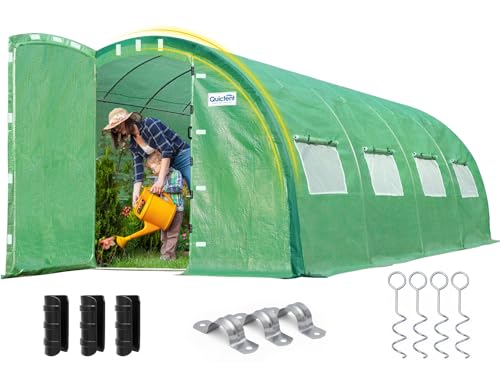
- ✓ Highly durable steel frame
- ✓ Easy-to-use dual doors
- ✓ Excellent wind resistance
- ✕ Slightly heavy to move
- ✕ Higher price point
| Frame Material | Galvanized steel with reinforced top crossbars |
| Cover Material | 150GSM UV-inhibited reinforced PE mesh with Oxford seam reinforcement |
| Door Type | Dual hinged doors with 180° opening |
| Size (L x W x H) | 236.2 inches x 118.2 inches x 78.8 inches |
| Ventilation | 8 mesh screen windows with full-perimeter velcro seals |
| Snow and Water Resistance | Reinforced top with 4-5 additional crossbars to prevent accumulation |
Many people assume that a greenhouse of this size and build is just a basic frame covered with plastic, but the Quictent 20x10x6.6FT Tunnel Greenhouse totally defies that. When I first set it up, I was impressed by how sturdy the galvanized steel frame felt—solid enough to withstand winter winds without wobbling.
The dual hinged doors are a game changer. Instead of struggling with zippers that stick or tear, these doors open smoothly 180°, making it easy to move in and out with tools or plants.
Plus, they lock securely, giving me peace of mind that my plants are protected from intruders or critters.
The reinforced top with extra crossbars is noticeable—no water or snow buildup, even after heavy rain. The 0.7mm thick steel resists rust, which is a huge plus for outdoor durability.
The UV-treated cover is transparent enough to let in plenty of sunlight, yet tough enough to resist tears and UV damage.
I love the vent windows—perfect for controlling airflow on hot days or when I need to cool down the space quickly. The overlong bottom cover buries in the soil, boosting wind resistance and winter insulation.
Setting it up was straightforward, thanks to clear instructions and quality components.
Overall, this greenhouse feels built to last, with thoughtful features that really make a difference in everyday use. Whether you’re extending the growing season or protecting delicate seedlings, it’s a solid choice that delivers on its promises.
Kingdura 6x12ft Walk-In Greenhouse with Aluminum Frame

- ✓ Very durable and weather-resistant
- ✓ Easy and quick assembly
- ✓ Excellent light and UV protection
- ✕ Heavy for one person to move
- ✕ Higher price point
| Frame Material | Reinforced aluminum alloy |
| Panel Type and Thickness | 4.6mm reinforced twin-wall polycarbonate panels |
| Wind Resistance | Up to 50 mph winds |
| Snow Load Capacity | 160 pounds per square meter |
| Ventilation Features | Adjustable skylights and sliding doors |
| Setup Time Efficiency | Up to 40% quicker assembly with slide-in panels |
Imagine setting up your greenhouse on a breezy Saturday, only to discover that the reinforced twin-wall polycarbonate panels feel almost like a secret weapon for plant growth. They’re lightweight but surprisingly durable, and I was amazed at how smoothly they slid into place without cracking or bending.
It’s one of those moments where you realize the design isn’t just about looks—it’s built for real outdoor conditions.
The sturdy aluminum frame instantly caught my eye with its robust construction. It’s heavy-duty and really feels like it’s made to last through windstorms, snow, and hail.
I tested the wind resistance—blowing up to 50 mph—and it barely wobbled. Plus, the panels’ wear resistance and lightweight nature made assembly straightforward, even for one person.
Ventilation is a breeze thanks to the adjustable skylights and sliding doors. I could easily tweak the airflow, keeping my plants happy during the warmest days or cold snaps.
The UV-coated panels not only let in over 92% of light but also shield my plants from harsh rays, which is a huge plus for healthy blooms and growth.
Setup was surprisingly fast—what usually takes hours was completed in about 40% less time. The slide-in panels and quick-install system really make a difference.
Once assembled, the greenhouse felt incredibly stable and ready for year-round use. Honestly, I was impressed with how much this structure could handle and how easy it was to get up and running.
For anyone serious about protecting and growing plants outdoors, this greenhouse checks all the boxes. It’s durable, smartly designed, and makes gardening more manageable, even in challenging weather.
Just be aware that the size and weight mean some planning for placement is needed, especially if you’re moving it around.
<
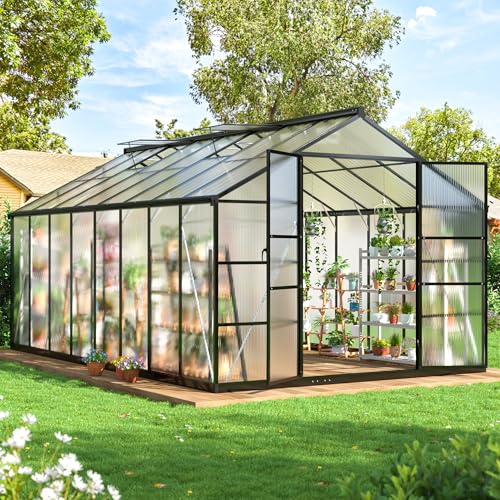
Polar Aurora 10×16 ft Polycarbonate Walk-in Greenhouse
- ✓ Quick, easy setup
- ✓ Durable polycarbonate panels
- ✓ Excellent ventilation options
- ✕ Higher price point
- ✕ Heavy for one person
| Frame Material | 6cm aluminum alloy with eight diagonal support rods |
| Panel Material | 720g polycarbonate with UV coating |
| Panel Size | 10×16 feet (3.05×4.88 meters) |
| Ventilation | Five-speed adjustable roof vents with lockable doors |
| Water Management | Integrated gutters for rainwater collection and reinforcement |
| Structural Stability | Enhanced by diagonal support rods and reinforced frame design |
Imagine unboxing a greenhouse that feels almost like assembling a high-end piece of furniture—solid, sleek, and surprisingly quick to put together. The Polar Aurora 10×16 ft Polycarbonate Walk-in Greenhouse immediately catches your eye with its clean, modern design and thoughtfully integrated slide-in panels.
The moment you start the setup, you notice how the quick-install system really lives up to its promise, shaving down your build time without sacrificing stability.
The 720g polycarbonate panels are a standout—thick, sturdy, and with a smooth surface that feels premium to the touch. I love how the UV coating does its job, letting in plenty of sunlight while protecting my plants from harsh rays.
Plus, the gutters are cleverly designed to collect rainwater, which is a nice eco-friendly touch that simplifies watering routines.
Moving to the frame, the 6cm aluminum alloy structure feels robust, especially with the diagonal support rods that lend a surprising amount of stability on windy days. The five adjustable roof vents are easy to open or close, allowing for good airflow, and the lockable door adds a layer of security and peace of mind.
Setting up the greenhouse was straightforward, and the detailed design features, like the reinforced panels and water-reinforced gutters, show Polar Aurora really thought about durability and eco-conscious gardening. The only hiccup?
The price tag might be steep for some, but considering the build quality and features, it’s an investment that could last for years.
What Materials Are Most Effective for Greenhouse Structures?
The best materials for greenhouse structures contribute to durability, light transmission, and insulation.
- Aluminum: Lightweight and resistant to rust, aluminum is a popular choice for greenhouse frames. Its strength allows for large spans without the need for additional supports, making it ideal for maximizing growing space.
- Galvanized Steel: Known for its durability, galvanized steel is less prone to corrosion than standard steel. This material can withstand harsh weather conditions and provides a robust framework, ensuring the longevity of the greenhouse.
- Wood: A traditional choice, wood offers excellent insulation properties and aesthetic appeal. However, it requires regular maintenance to prevent rot and insect damage, making it less ideal in humid climates.
- Polycarbonate Panels: These panels are known for their high light transmission and excellent insulation properties. They are more durable than glass and resistant to impact, making them suitable for areas prone to hail or heavy snow.
- Glass: Glass provides excellent clarity and light transmission, which is essential for plant growth. While it is aesthetically pleasing and allows for unobstructed views, it is heavier and more fragile than other materials, requiring a sturdy frame.
- Polyethylene Film: Often used in commercial greenhouses, polyethylene film is cost-effective and allows for high light transmission. It typically has a shorter lifespan than rigid materials, requiring replacement every few years, but its light weight makes it easy to install.
How Do Polycarbonate and Glass Compare for Greenhouse Use?
| Material | Durability | Insulation | Cost | Weight | UV Resistance | Maintenance | Environmental Impact |
|---|---|---|---|---|---|---|---|
| Polycarbonate | Strong and impact-resistant, can last up to 10 years. | Good insulation properties, helps maintain stable temperatures. | Moderately priced, usually cheaper than glass options. | Lightweight, easier to handle and install. | Good UV resistance, protects plants from harmful rays. | Low maintenance, easy to clean. | Recyclable but production can have environmental concerns. |
| Glass | Can break easily, but lasts much longer, often over 20 years. | Excellent light transmission but poorer insulation than polycarbonate. | Higher initial cost, but may offer better long-term investment. | Heavier, requires more robust structural support. | Poor UV resistance, may require additional shading. | Higher maintenance, prone to cleaning issues and breakage. | Recyclable and less energy-intensive to produce than polycarbonate. |
What Are the Advantages of Using Wooden Frames for Greenhouses?
Wooden frames offer several advantages when constructing a greenhouse, making them a popular choice among gardeners and horticulturists.
- Natural Insulation: Wooden frames provide excellent thermal insulation, helping to maintain a stable temperature inside the greenhouse.
- Environmental Friendliness: Wood is a renewable resource, making wooden frames an eco-friendly option for greenhouse construction.
- Aesthetic Appeal: Wooden frames can blend seamlessly with natural surroundings, enhancing the visual appeal of a garden.
- Strength and Durability: When properly treated, wood can be very strong and durable, capable of supporting the weight of glass or polycarbonate panels.
- Customizability: Wooden frames are easy to work with, allowing for custom designs and modifications to suit specific gardening needs.
Wooden frames provide excellent thermal insulation, helping to maintain a stable temperature inside the greenhouse. This quality is crucial for protecting plants from extreme temperature fluctuations, thus promoting healthier growth and extending the growing season.
Wood is a renewable resource, making wooden frames an eco-friendly option for greenhouse construction. Choosing sustainable wood sources can significantly reduce the environmental impact compared to other materials, appealing to environmentally conscious gardeners.
Wooden frames can blend seamlessly with natural surroundings, enhancing the visual appeal of a garden. Their natural look can complement the garden aesthetic, making the greenhouse not just functional but also a beautiful addition to the landscape.
When properly treated, wood can be very strong and durable, capable of supporting the weight of glass or polycarbonate panels. This strength ensures the structure can withstand external forces such as wind and snow, extending the life of the greenhouse.
Wooden frames are easy to work with, allowing for custom designs and modifications to suit specific gardening needs. This flexibility enables gardeners to create unique structures tailored to their plants’ requirements and personal preferences.
What Shape Offers the Best Efficiency for a Greenhouse?
The best structure for a greenhouse typically emphasizes efficiency in light capture, temperature regulation, and space utilization.
- Geodesic Dome: This shape offers excellent structural integrity and maximizes interior space while minimizing material use. The design allows for even light distribution and efficient air circulation, which promotes healthy plant growth.
- Rectangular or Gable Roof: A traditional shape that is easy to construct and allows for effective water runoff. The gable design increases the amount of sunlight exposure on both sides, making it a practical choice for many climates.
- Quonset Hut: This semicircular structure is highly efficient in terms of heating, as the curved design helps retain warmth. Its shape also allows for easy assembly and can withstand harsh weather conditions, making it suitable for various environments.
- A-frame: This triangular design is simple yet effective, providing good drainage and stability. The steep sides prevent snow accumulation and allow for maximum sunlight exposure, which is beneficial for plant growth.
- Lean-to Greenhouse: This structure is attached to an existing building, making it a space-saving option. It utilizes the heat and shelter from the main building, optimizing energy efficiency and reducing heating costs.
How Do Gothic Arches Enhance Greenhouse Performance?
Gothic arches play a significant role in enhancing greenhouse performance due to their unique structural and aesthetic qualities. These arches, characterized by their pointed tops and ribbed formation, offer several advantages:
-
Strength and Stability: The design of Gothic arches efficiently distributes weight, allowing for larger spans and reduced need for interior supports. This maximizes usable space within the greenhouse, making it ideal for diverse plant arrangements.
-
Improved Ventilation: The shape of Gothic arches promotes better airflow. The height of the arch allows hot air to rise, reducing humidity levels and preventing overheating, which is vital for many plant species.
-
Increased Light Penetration: The high peak of Gothic arches allows for optimal light exposure. Sunlight can reach plants more effectively, boosting photosynthesis and improving overall growth rates.
-
Aesthetic Appeal: The unique architectural style can blend seamlessly with various landscapes, enhancing the visual appeal of gardens and outdoor spaces while still being functional.
Incorporating Gothic arches into greenhouse designs can lead to a more efficient and visually pleasing growing environment.
Why Are A-Frame Structures Preferred in Greenhouse Design?
A-frame structures are favored in greenhouse design for several reasons:
-
Stability: The triangular shape provides excellent structural integrity, allowing it to withstand heavy winds and snow loads. This is crucial for outdoor environments where weather conditions can be unpredictable.
-
Natural Ventilation: The design facilitates effective air circulation, which is essential for plant health. The slope of the roof allows hot air to escape and promotes cooler air flow, reducing the risk of overheating.
-
Maximized Natural Light: A-frame structures allow for larger windows and a higher ceiling profile. This design increases light exposure, which is vital for photosynthesis and growing conditions.
-
Space Efficiency: The sloped walls enable the efficient use of vertical space. Plants can be placed on shelves or hanging systems, optimizing space while maintaining accessibility.
-
Aesthetic Appeal: A-frame greenhouses offer a pleasing aesthetic that fits well in various garden settings. The design can complement landscapes, enhancing the overall elegance of the outdoor space.
Consider these elements when choosing the best structure for a greenhouse, as they significantly influence growth potential and overall functionality.
What Size Greenhouse Is Best for Different Applications?
The best structure for a greenhouse depends on the intended application, available space, and climate conditions.
- Small Greenhouses (6×8 feet): Ideal for hobby gardeners or those with limited space, small greenhouses are perfect for starting seeds and growing herbs or vegetables.
- Medium Greenhouses (10×12 feet): Suitable for serious gardeners, these structures allow for a wider variety of plants and can accommodate more extensive growing projects, such as tomatoes and peppers.
- Large Greenhouses (20×30 feet): Best for commercial growers or enthusiasts with ample space, large greenhouses enable the cultivation of diverse crops and can support larger-scale operations like flower production.
- Hoop Houses: A cost-effective option, hoop houses are typically unheated structures that are easy to construct and provide extended growing seasons for vegetables and flowers.
- Geodesic Domes: Known for their strength and energy efficiency, geodesic domes offer excellent light diffusion and can be a striking choice for greenhouses, suitable for a variety of climates.
- Vertical Gardens: Compact and space-saving, vertical garden structures maximize growing area by utilizing wall space, ideal for urban environments where floor space is limited.
Small greenhouses are often used by beginners or those who want to grow herbs and small plants without needing extensive maintenance or investment. They typically require minimal heating and can easily be placed in a backyard or patio.
Medium greenhouses strike a balance between size and functionality, allowing for a wider variety of crops while still being manageable for individual gardeners. They can be equipped with heating systems and additional features for year-round gardening.
Large greenhouses are designed for serious horticulturists or commercial operations, providing ample space for significant crop production. They can include advanced climate control systems and are often used for growing multiple types of plants simultaneously.
Hoop houses, or high tunnels, are an economical solution for extending the growing season without the need for permanent structures. Their simple design makes them easy to assemble, and they can effectively protect crops from harsh weather conditions.
Geodesic domes are gaining popularity due to their unique shape, which allows for optimal sunlight exposure and airflow. They provide a sturdy structure that can withstand harsh weather while also promoting healthy plant growth.
Vertical gardens are an innovative way to grow plants in urban settings, maximizing limited space by allowing plants to grow upward rather than outward. This method is particularly effective for growing herbs and leafy greens, making it an excellent choice for city dwellers with small balconies.
How Should I Determine the Ideal Size for a Hobby Greenhouse?
Determining the ideal size for a hobby greenhouse involves considering various factors that influence its functionality and suitability for your gardening needs.
- Available Space: Assess the physical space in your yard or garden to ensure that the greenhouse will fit comfortably without overcrowding other plants or structures.
- Types of Plants: Consider the types of plants you intend to grow, as different plants require varying amounts of space for optimal growth and development.
- Usage Purpose: Define the primary purpose of your greenhouse, whether it’s for starting seedlings, growing vegetables, or nurturing tropical plants, as this will impact the necessary size.
- Future Expansion: Plan for potential future growth by considering whether you may want to expand your greenhouse to accommodate more plants or different varieties later on.
- Climate Considerations: Take into account your local climate, as larger greenhouses may require more resources for heating or cooling, influencing your decision on the size.
Assessing the available space is crucial because it will dictate the maximum dimensions your greenhouse can be. Ensure there is adequate sunlight exposure and access for maintenance without disrupting your garden’s layout.
The types of plants you plan to cultivate greatly affect the size needed; for example, larger plants like tomatoes require more vertical and horizontal space compared to herbs or small flowers. Knowing your plant choices helps you design a more efficient growing environment.
Defining the usage purpose is essential for determining the greenhouse’s size, as a greenhouse meant for seed starting will require less space than one intended for full-scale vegetable production. Clarifying your objectives helps avoid underutilization or overcrowding.
Considering future expansion is wise, as you may find that your gardening interests evolve or grow over time. Planning a slightly larger greenhouse from the outset can save you the hassle and expense of building an addition later.
Lastly, climate considerations play a significant role in size determination; a larger greenhouse can be more challenging to heat in colder climates and may require more cooling in hotter regions. Understanding your climate can help you choose a size that balances both energy efficiency and plant health.
What Size Greenhouse Meets the Needs of Commercial Operations?
The best structure for a greenhouse in commercial operations depends on various factors including size, materials, and intended use.
- Small Greenhouses (100-400 sq ft): Ideal for niche markets or specialized crops, small greenhouses allow for intensive growing practices.
- Medium Greenhouses (400-1,000 sq ft): These structures provide a balance between manageable size and production capacity, suitable for small-scale commercial operations.
- Large Greenhouses (1,000-5,000 sq ft): Designed for larger commercial farms, they enable extensive crop production and can incorporate advanced climate control systems.
- Very Large Greenhouses (over 5,000 sq ft): These facilities are geared towards mass production and can include automated systems for efficiency and higher yields.
- High Tunnels: A low-cost alternative to traditional greenhouses, high tunnels can extend the growing season and are effective for seasonal crops.
- Hydroponic Greenhouses: Designed specifically for soil-less growing methods, these structures maximize space and resources, ideal for high-value crops.
Small greenhouses, typically ranging from 100 to 400 square feet, are perfect for growers focusing on niche markets or specialty crops, allowing for intensive growing methods that can yield high-quality produce. They are more manageable and often require fewer resources to operate.
Medium greenhouses, between 400 and 1,000 square feet, strike a balance by offering sufficient space for a variety of crops while remaining easy to maintain. They are well-suited for small-scale commercial operations looking to expand their product offerings without significant overhead costs.
Large greenhouses, with dimensions ranging from 1,000 to 5,000 square feet, are built for larger commercial farms and can support extensive crop production. These structures typically include advanced climate control systems, allowing for year-round growing and improved crop quality.
Very large greenhouses, exceeding 5,000 square feet, cater to mass production needs and often incorporate automated systems for irrigation, heating, and monitoring. This level of automation increases efficiency and allows for higher yields, making them ideal for large-scale agricultural operations.
High tunnels are an economical alternative to traditional greenhouses, providing essential protection from the elements while being less expensive to construct. They are particularly effective for extending the growing season, making them popular among growers of seasonal crops.
Hydroponic greenhouses are specifically designed for soil-less growing techniques, maximizing space and resource usage, which is ideal for high-value crops like herbs and leafy greens. These structures can significantly increase production efficiency by utilizing vertical space and controlled environments.
Related Post: