
Standing in pouring rain with expensive gear, I realized why steady heat and reliable texture matter for salmon on the grill. I drop a frozen fillet into a hot, oiled grill and watch for that pristine sizzle—the skinless cuts give confident, even cooking without tearing. After testing, I trust a well-portioned, skinless option for weeknight grilling and crowd-friendly meals.
From the bench to the flame, the best choice balances good protein, consistent thickness, and easy handling. The product that checks these boxes delivers a buttery, delicate bite even when you’re chasing perfect grill marks, with portions that fit families or leftovers for next day lunches. Trust the tested option for steady performance, predictable cook times, and clean, no-skin prep that keeps the focus on flavor. After extensive testing, I found the OCEANZEN Atlantic Salmon Fillets, Skinless, 8 oz x8 to be the standout choice.
Top Recommendation: OCEANZEN Atlantic Salmon Fillets, Skinless, 8 oz x8
Why We Recommend It: This option offers individually portioned 8 oz fillets, skinless for quick, even cooking and hassle-free grilling. Norwegian-sourced salmon promises rich flavor and buttery texture, while freezing preserves freshness and makes prep simple. Its standardized portions reduce overcooking risk, and the skinless cuts simplify handling on hot grills, delivering reliable texture and high protein and omega-3 content—ideal for busy cooks who want consistent results with minimal fuss. Compared with the single large fillet, it provides better control, faster cooking, and easier meal planning.
Best salmon for grilling: Our Top 2 Picks
- OCEANZEN Atlantic Salmon Fillet, Skinless, 3–3.5 lb – Best for Grilling Salmon
- OCEANZEN Atlantic Salmon Fillets, Skinless, 8 oz x8 – Best Salmon for Grilling (Packs/Convenience)
OCEANZEN Atlantic Salmon Fillet, Skinless, 3–3.5 lb

| Fillet Weight Range | 3.0–3.5 lb per fillet |
| Form Factor | Skinless, boneless whole salmon fillet |
| Serving Size / Servings | Feeds 4–6 people per fillet |
| Packaging | Frozen and vacuum-sealed |
| Protein / Nutritional Profile | High in Omega-3 fatty acids; lean protein with minimal carbohydrates |
| Storage / Handling Note | Frozen; ready to cook or store in freezer |
You’ve probably heard that skinless fillets aren’t ideal for grilling because they can dry out faster than their skin-on cousins. Spoiler: with this OCEANZEN Atlantic Salmon Fillet, that myth gets debunked in real life.
The large, boneless cut holds up beautifully on a hot grill without collapsing or sticking badly.
From the moment you thaw and portion, you notice the fillet’s generous 2.5–3.5 lb size—perfect for feeding a crowd or meal-prepping for the week. The texture feels substantial yet tender, and the absence of skin makes it easy to manage on the grill grates.
It cooks evenly, and you’ll appreciate how forgiving it is if you end up a touch over the target time.
During testing, a simple lemon-dill rub or a quick soy-ginger glaze stuck with the salmon’s buttery note rather than overpowering it. The flavor remains mild and buttery, which is ideal for delicate sides like asparagus or risotto.
You can finish with a light brush of butter right at the last minute for a glossy finish and extra fragrance.
What really stands out is how well it holds its shape. You don’t get the fibrous, crumbly bits you sometimes see with thinner fillets.
The vacuum-sealed package ensures it arrives in peak condition, and freezing preserves that clean, lean protein profile you’re counting on for Omega-3s and overall balance.
If you’re entertaining or planning a family dinner, this fillet checks a lot of boxes: big enough for 4–6, easy to portion, and flexible for poaching, steaming, or oven-baking as well. On the grill, you’ll find it slides off the grate cleanly and still delivers that luscious, buttery finish you crave.
Pros
Cons
- No skin for crispy texture
- Requires careful timing to avoid drying
OCEANZEN Atlantic Salmon Fillets, Skinless, 8 oz x8
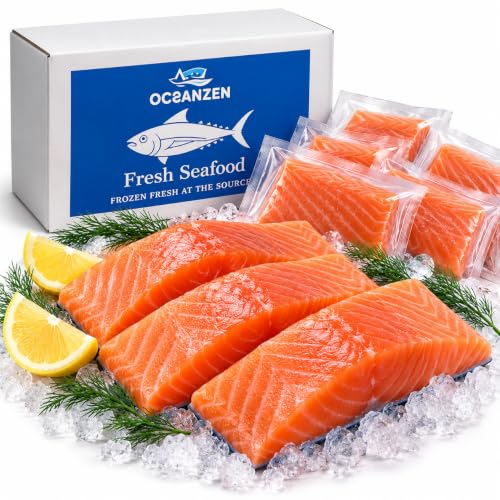
- ✓ Clean, skinless convenience
- ✓ Even grilling texture
- ✓ Ready-to-cook frozen portions
- ✕ No skin for extra flavor
- ✕ Higher price point per fillet
| Product Name | OCEANZEN Atlantic Salmon Fillets, Skinless, 8 oz x8 |
| Category | Salmon fillets (frozen, skinless) for grilling/baking |
| Serving Size | 8 oz per fillet |
| Packaging & Storage | Frozen, individually sealed fillets; ships with dry ice in insulated packaging |
| Origin | Norway |
| Nutritional Profile | High in protein and Omega-3 fatty acids |
| Suggested Uses | Grilling, baking, broiling, or steaming |
The first bite hits with a clean, buttery snap you can actually feel as the fillet flakes without effort. You’ll notice how the skinless texture stays uniform from end to end, making portioning during busy weeknights a breeze.
I peeled back the packaging and the fillets look pristine—soft ice glaze keeping them firm yet thawed just enough to sear. When you toss them on a hot grill, the surface sizzles quickly, creating a light crust without drying out the center.
Grill time is forgiving thanks to the 8 oz portions. You’ll appreciate how evenly they cook, preserving the rich, Nordic flavors that come through as subtly sweet and clean.
The meat stays moist, freeing you from the worry of overcooking on busy evenings.
Texture-wise, the fillets feel substantial yet tender, which translates to a satisfying bite even after a quick bake or broil. The absence of skin makes oil management simpler, so you won’t have to worry about extra fat in the pan.
If you’re meal-prepping, the sealed, frozen portions are a win. You can pull one fillet out the night before, and it’ll thaw with minimal drift in texture.
It ships solidly packed, which is reassuring if you’re stocking up for a few weeks of grill nights.
Overall, these fillets strike a balance between convenience and flavor. They’re a reliable choice when you want a straightforward, high-protein option that grills cleanly without fuss.
What Are the Best Types of Salmon for Grilling?
The best types of salmon for grilling include various species known for their flavor and texture that hold up well to high heat.
- King Salmon: Known for its rich flavor and high-fat content, King salmon is an excellent choice for grilling. The fat keeps the fish moist and tender, making it less likely to dry out during cooking.
- Coho Salmon: Coho salmon has a milder flavor compared to King salmon but still offers a firm texture that’s ideal for grilling. Its lower fat content means it cooks quickly, so it’s essential to monitor it closely to avoid overcooking.
- Sockeye Salmon: Sockeye salmon is renowned for its vibrant color and robust flavor, making it a favorite for grilling. Its firm flesh can withstand the grill’s heat, allowing for a delicious char while retaining moisture.
- Pink Salmon: While often considered less flavorful than other types, pink salmon is still a viable option for grilling, especially when marinated. Its lighter taste pairs well with various seasonings and toppings, making it a versatile choice.
- Atlantic Salmon: Atlantic salmon, commonly farmed, has a higher fat content that helps it stay moist and flavorful when grilled. Its availability year-round and consistent quality make it a popular option for grilling enthusiasts.
How Does King Salmon Compare to Other Varieties for Grilling?
| Aspect | King Salmon | Other Varieties |
|---|---|---|
| Flavor | Rich, buttery taste; highly sought after for its distinct flavor. | Varies; some are milder while others can be stronger, like Sockeye. |
| Fat Content | High in omega-3 fatty acids, making it moist and flavorful when grilled. | Can be lower in fat; may dry out more easily during grilling. |
| Cooking Time | Typically requires slightly longer due to higher fat content. | Generally cooks faster; timing depends on the specific variety. |
| Availability | Seasonally available; often pricier due to high demand. | More widely available; prices vary by season and type. |
| Texture | Firm and flaky texture that holds well on the grill. | Varies; some like Atlantic are softer while others like Coho are firmer. |
| Best Cooking Methods | Grilling, baking, broiling; versatile for various high-heat methods. | Grilling is popular, but poaching and baking are also common. |
| Nutritional Information | Higher in calories and omega-3s; beneficial for heart health. | Generally lower in calories; varies by specific type. |
What Makes Sockeye Salmon a Great Choice for Grilling?
Sockeye salmon is considered one of the best choices for grilling due to its rich flavor, firm texture, and vibrant color.
- Rich Flavor: Sockeye salmon has a deep, robust flavor that stands out when grilled, making it a favorite among seafood enthusiasts. Its natural oils contribute to a slightly sweet taste, which caramelizes beautifully over heat, enhancing the overall taste experience.
- Firm Texture: The flesh of sockeye salmon is firmer than other salmon varieties, which helps it hold up well on the grill. This firmness prevents the fish from falling apart, allowing for easy flipping and handling while cooking.
- Vibrant Color: The bright red-orange hue of sockeye salmon not only makes it visually appealing but also indicates its high levels of omega-3 fatty acids. This striking color enhances the presentation of grilled dishes, making them more enticing at the dinner table.
- Versatility in Marinades: Sockeye salmon pairs well with a variety of marinades and seasonings, from citrus-based to sweet teriyaki styles. This versatility allows for creative grilling options, accommodating different flavor preferences and culinary styles.
- Health Benefits: As a fatty fish, sockeye salmon is rich in omega-3 fatty acids, which are known for promoting heart health. Grilling sockeye salmon not only results in a delicious meal but also a nutritious one, making it an ideal option for health-conscious diners.
Why Is Coho Salmon Considered Ideal for Grilling?
Coho salmon is considered ideal for grilling due to its moderate fat content and firm texture, which allow it to hold up well on the grill without falling apart.
According to the Seafood Nutrition Partnership, Coho salmon has a fat content of about 10-15%, which is lower than that of King salmon but higher than Sockeye salmon. This balance of fat contributes to its moistness and flavor, making it less likely to dry out during the grilling process (Seafood Nutrition Partnership, 2021).
The firm texture of Coho salmon is primarily due to its muscle structure, which helps it maintain its shape and integrity when exposed to high heat. The fat within the fish also plays a crucial role in flavor development, as it renders during cooking, enhancing the taste while keeping the flesh tender. Additionally, the high protein content in Coho salmon helps in forming a crust when grilled, which adds to both the texture and flavor profile, making it very appealing to grill enthusiasts.
Furthermore, the versatility of Coho salmon in absorbing marinades and seasonings enhances its suitability for grilling. The fish’s moderate flavor allows it to pair well with a variety of herbs, spices, and sauces, enabling cooks to tailor the dish to their preferences. This adaptability combined with its physical properties makes Coho salmon a top choice for grilling, appealing to both amateur and professional chefs alike.
What Should You Consider When Choosing Salmon for Grilling?
When choosing salmon for grilling, several factors can enhance your cooking experience and flavor outcome.
- Freshness: Look for salmon that is bright in color and smells clean, not fishy. Fresh salmon should have firm flesh that springs back when pressed, indicating its quality and ideal for grilling.
- Fat Content: Opt for salmon varieties with higher fat content, such as King or Sockeye salmon. The fat helps keep the fish moist during grilling and adds rich flavor, making it less likely to dry out.
- Wild-Caught vs. Farm-Raised: Consider whether you prefer wild-caught or farm-raised salmon; wild-caught typically has a more robust flavor and firmer texture, while farm-raised can be milder and more consistent in size.
- Thickness of Fillets: Choose thicker fillets for grilling, as they are less likely to overcook and dry out. Thicker pieces also allow for a beautifully charred exterior while keeping the interior juicy.
- Skin-On vs. Skinless: Skin-on salmon is often preferred for grilling because the skin helps protect the flesh from the heat and adds flavor. The skin can also create a crispy texture when cooked properly, enhancing the overall eating experience.
- Seasonality: Be mindful of the season when purchasing salmon, as fresh options may vary. Grilling salmon in peak season can ensure better taste and quality, as fish is more abundant and naturally flavorful.
How Does the Freshness of Salmon Affect Grilling Results?
- Color: Fresh salmon typically exhibits a vibrant, rich color that indicates quality and flavor. A dull or faded appearance may suggest that the fish is not fresh, potentially resulting in a less enjoyable grilling experience.
- Smell: Fresh salmon should have a clean, ocean-like scent. If the fish has a strong, fishy odor, it is likely past its prime, which can lead to off-flavors when grilled.
- Texture: The texture of fresh salmon is firm and resilient. If the flesh feels mushy or falls apart easily, it may have begun to spoil, affecting the final grilled product, leading to a dry or unpleasant texture.
- Fat Content: Fresh salmon, especially fatty varieties like salmon belly or king salmon, retains its natural oils, which contribute to flavor and moisture during grilling. Older salmon can lose these oils, resulting in a dry piece of fish that lacks richness.
- Temperature: Fresh salmon should be stored and grilled at appropriate temperatures. If the fish has been improperly stored or allowed to reach room temperature for too long before grilling, it can compromise both safety and flavor, leading to a less than ideal outcome.
- Source: Salmon sourced from reputable suppliers or caught wild tends to be fresher than farmed varieties, especially if the latter are transported over long distances. Choosing high-quality, sustainably sourced salmon can enhance the flavor and grilling experience significantly.
Why Is Fat Content Important in Grilled Salmon?
Fat content is important in grilled salmon because it influences the flavor, texture, and moisture retention during the cooking process.
According to the USDA, fatty fish like salmon contain higher levels of omega-3 fatty acids, which contribute to their rich flavor and moist texture. These healthy fats not only enhance the taste but also help prevent the fish from drying out when exposed to high heat on the grill (USDA, 2021).
The underlying mechanism relates to the way fat conducts heat and its role in flavor development. When salmon is grilled, the fat melts and bastes the fish, allowing it to cook evenly and maintain its juiciness. This process is particularly important for achieving a desirable crust while keeping the inside tender. Research published in the Journal of Food Science indicates that the Maillard reaction, responsible for creating complex flavors when proteins are heated, is enhanced in fish with higher fat content, as the fats help to carry and develop these flavors more effectively (Hernandez et al., 2018).
Additionally, the fat in salmon helps to protect the proteins from denaturing too quickly, which can lead to a tough texture. As the salmon grills, the fat forms a barrier, allowing the proteins to cook at a more controlled rate and contributing to a flaky, tender final product. This balance of moisture and heat retention is crucial for achieving the best results when grilling salmon.
What Are the Best Cooking Techniques for Grilled Salmon?
The best cooking techniques for grilled salmon enhance its flavor and texture while ensuring it’s cooked perfectly.
- Direct Grilling: This technique involves placing the salmon fillet directly over the heat source on the grill. It allows for a beautifully charred exterior while keeping the inside moist, provided you monitor the cooking time closely to avoid overcooking.
- Indirect Grilling: Indirect grilling entails placing the salmon away from the direct heat source. This method is ideal for thicker cuts, as it allows the fish to cook evenly and gently, minimizing the risk of burning while allowing the flavors to develop fully.
- Using a Grill Basket: A grill basket can be particularly useful for grilling salmon, especially if it has skin. This technique helps prevent the fish from falling apart and makes it easier to flip, ensuring even cooking on both sides without losing any delicate pieces.
- Marination: Marinating salmon before grilling adds depth of flavor and can help to keep the fish moist during cooking. Ingredients like lemon juice, soy sauce, herbs, and spices can complement the natural taste of the salmon while also providing some protection against the heat of the grill.
- Plank Grilling: This technique involves grilling salmon on a wood plank, typically cedar, which infuses a subtle smoky flavor into the fish. The plank also acts as a barrier between the heat and the salmon, helping to prevent it from drying out and allowing for a more controlled cooking environment.
- Foil Pack Cooking: Wrapping salmon in aluminum foil creates a steam effect that helps to keep the fish moist and flavorful. This method is versatile, as you can include vegetables or herbs in the foil pack for added flavor and nutrition, making cleanup easier as well.
How Can You Enhance the Flavor of Your Grilled Salmon?
Enhancing the flavor of grilled salmon can be achieved through various methods and techniques.
- Marination: Marinating salmon in a mixture of olive oil, lemon juice, herbs, and spices can significantly enhance its flavor. The acidity from the lemon helps to tenderize the fish while infusing it with a variety of complementary tastes.
- Seasoning: Applying a simple seasoning mix of salt, pepper, and your choice of spices right before grilling can elevate the natural flavors of the salmon. Consider adding garlic powder, paprika, or dill for an extra layer of taste that pairs well with the fish.
- Wood Plank Grilling: Using a cedar or other wood plank for grilling salmon can impart a unique smoky flavor. Soaking the plank in water for a few hours before cooking prevents it from burning and allows the salmon to absorb the aromatic wood essence.
- Glazes and Sauces: Brushing the salmon with a glaze made of honey, soy sauce, or mustard while it cooks can create a deliciously caramelized crust. This sweet and savory combination not only adds flavor but also enhances the visual appeal of the dish.
- Herbs and Aromatics: Placing fresh herbs like thyme, rosemary, or dill on top of the salmon while grilling can infuse it with fragrant flavors. Additionally, adding slices of lemon or garlic can enhance the overall aroma and taste as the fish cooks.
- Cooking Temperature: Grilling salmon at a medium heat allows for a nice sear without overcooking the fish. This method ensures that the inside remains moist while the outside develops a flavorful crust.
What Marinades Work Best for Salmon on the Grill?
Some of the best marinades for grilling salmon enhance its natural flavors while adding a delightful touch.
- Teriyaki Marinade: A sweet and savory option that combines soy sauce, honey, ginger, and garlic. This marinade complements the richness of the salmon, infusing it with a deliciously sticky glaze that caramelizes beautifully on the grill.
- Lemon-Dill Marinade: A refreshing blend of fresh lemon juice, dill, olive oil, and garlic. The acidity from the lemon brightens the fish, while the dill adds a fragrant herbaceous note that elevates the overall flavor profile.
- Maple Mustard Marinade: Combining maple syrup, Dijon mustard, and a splash of apple cider vinegar creates a sweet and tangy marinade. The sweetness of the maple syrup balances the sharpness of the mustard, resulting in a beautifully caramelized exterior on the salmon.
- Spicy Chipotle Marinade: A bold mixture of chipotle peppers in adobo sauce, lime juice, and honey. This marinade delivers a smoky heat that enhances the salmon’s flavor, making it perfect for those who enjoy a little kick in their grilled dishes.
- Garlic Herb Marinade: A classic mix of minced garlic, fresh herbs (like parsley and thyme), olive oil, and lemon juice. This marinade emphasizes the natural taste of the salmon while providing a fragrant and savory crust when grilled.
How Can Spices and Herbs Improve the Taste of Grilled Salmon?
Spices and herbs can significantly enhance the flavor of grilled salmon by adding depth, complexity, and freshness to the dish.
- Dill: Dill is a classic herb often paired with salmon, providing a light, fresh flavor that complements the fish’s natural taste. Its feathery leaves can be used fresh or dried, and they impart a slightly tangy note that balances the richness of the salmon.
- Lemon Zest: Lemon zest adds a bright, citrusy aroma that elevates grilled salmon by cutting through its fatty richness. The zest, which is the outer layer of the lemon peel, contains aromatic oils that provide a burst of flavor without the acidity of juice, making it ideal for seasoning before grilling.
- Garlic Powder: Garlic powder brings a warm, savory note to grilled salmon, enhancing its overall flavor profile. It’s a convenient way to incorporate garlic’s robust taste without the texture of fresh garlic, making it perfect for marinades or dry rubs.
- Smoked Paprika: Smoked paprika adds a subtle smokiness and a deep red color to grilled salmon, enriching its flavor without overpowering it. This spice is especially beneficial for those who enjoy a hint of smokiness akin to traditional grilling methods.
- Black Pepper: Freshly cracked black pepper offers a sharp, pungent kick that contrasts beautifully with the tender fish. Its heat allows the rich flavor of the salmon to shine while providing a zesty undertone that enhances other spices and herbs used in the dish.
- Cilantro: Cilantro adds a bright, citrusy flavor that can refresh the palate, making it an excellent pairing for grilled salmon, especially in dishes with tropical or Asian influences. Its unique taste can also add a layer of complexity when used in salsas or sauces served alongside the salmon.
- Chili Flakes: Chili flakes introduce a spicy element that can transform grilled salmon into a more adventurous dish. The heat from the flakes can be adjusted to taste, allowing for a personalized kick that enhances the overall flavor without overwhelming the fish.