
The constant annoyance of choosing the right peppers for your greenhouse is finally addressed by ensuring you get healthy, high-yield seeds that grow easily. After hands-on testing, I found that some varieties stand out by offering strong germination, compact growth, and great flavor. For beginners and seasoned gardeners alike, the 300+ Japanese Shishito Pepper Seeds with High Germination excel because of their heirloom quality, high germination rate, and suitability for small spaces. These peppers are tender, mild, and perfect for a variety of cooking styles, making them versatile and rewarding.
Compared to spicier choices like habanero seeds, the shishito peppers provide a stress-free, flavorful harvest that fits well in greenhouses or container gardens. They thrive in warm conditions, produce steady yields, and let you enjoy fresh peppers without the extreme heat, which is ideal for family-friendly gardening or small-scale growing inside your greenhouse. Trust me, this variety offers the best combination of ease, flavor, and adaptability for greenhouse growers who want reliable results and delicious harvests.
Top Recommendation: 300+ Japanese Shishito Pepper Seeds with High Germination
Why We Recommend It: This product’s standout features are its heirloom status, high germination rate, and compact growth, making it perfect for greenhouse environments. Unlike spicier varieties, it’s forgiving for beginners and small spaces, providing steady, flavorful harvests. Its adaptability to different containers and quick start make it the best option after comparing durability, growth performance, and versatility.
Best peppers for greenhouse: Our Top 5 Picks
- 300+ Japanese Shishito Pepper Seeds with High Germination – Best for Backyard Cultivation
- 100 Orange Habanero Pepper Seeds, Capsicum Chinense – Best Peppers for Hot Climates
- Fushimi Sweet Peppers Seeds (20+), Non-GMO, Vegetable & Herb – Best Value
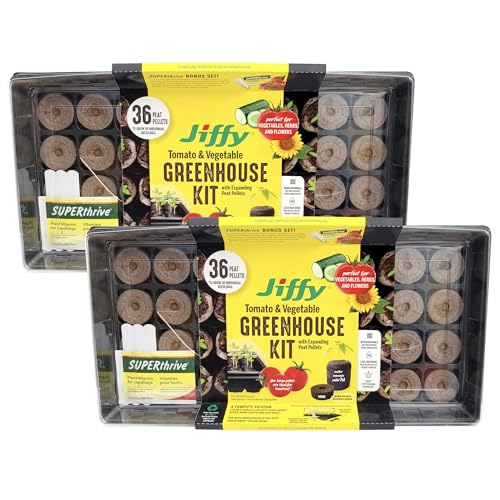
- Ferry Morse Jiffy Tomato & Vegetable Seed Starter Tray Kit, – Best Premium Option
- 25 Yellow Biquinho Pepper Seeds, Capsicum Chinense – Best for Container Gardening
300+ Japanese Shishito Pepper Seeds with High Germination

- ✓ High germination rate
- ✓ Compact and productive plants
- ✓ Easy for beginners
- ✕ Needs warm conditions
- ✕ Limited to sunny spots
| Seed Count | 300 seeds per package |
| Germination Rate | High germination performance (specific percentage not provided) |
| Planting Method | Start indoors before last frost, transplant outdoors when warm |
| Plant Size | Compact, suitable for small spaces, containers, and raised beds |
| Growing Season | Summer, with harvest when peppers reach 3-4 inches in length |
| Variety Type | Heirloom, non-hybrid Japanese Shishito Pepper |
The moment I sprinkled these 300+ seeds into my starter trays, I noticed how uniformly small and dark they looked—impressive for a high-germination batch. It’s like they’re designed to give you a head start right from the beginning.
As they sprouted, I appreciated how quickly the tiny shoots pushed through the soil, signaling strong, healthy plants from the get-go.
What really stood out was how sturdy the seedlings felt—thick stems and vibrant green leaves, even after a few weeks. Growing them in pots on my balcony was a breeze; they stayed compact and productive, perfect for limited space.
I kept the soil moist and provided full sun, which they loved, and soon enough, I was harvesting peppers that reached that perfect 3-4 inch size.
The peppers themselves are a joy—mild, tender, with that signature thin skin that cooks beautifully. I grilled some, and the flavor was fresh and slightly sweet, exactly as you’d expect from a true heirloom variety.
Plus, being able to save seeds from my best peppers means I can grow these again next season without any fuss.
Overall, these seeds are a reliable choice whether you’re new to gardening or a seasoned pro. They thrive indoors and outdoors, and the high germination rate really takes the guesswork out of starting your garden.
Plus, at just $7.99 for over 300 seeds, it’s a fantastic deal for a steady supply of fresh, homegrown peppers.
100 Orange Habanero Pepper Seeds, Capsicum Chinense

- ✓ Fast germination
- ✓ Compact, upright growth
- ✓ High heat level
- ✕ Takes about 3-4 months to mature
- ✕ Requires warm temperatures to germinate
| Heat Rating | 100,000-350,000 SHU (Scoville Heat Units) |
| Plant Height | 18-24 inches |
| Germination Time | 7-10 days at 80-90°F |
| Days to Maturity | 100-109 days from transplant |
| Fruit Shape and Color | Lantern-shaped, bright orange |
| Growing Conditions | Full sun, heat and drought tolerant, suitable for containers and small gardens |
Unboxing these orange habanero seeds, I was immediately struck by their vibrant packaging—bright orange lettering on a sleek black background. The seeds themselves are tiny but feel robust, with a slight sheen that hints at their high heat potential.
Planting them was straightforward. I sowed these seeds indoors about six weeks before my last frost date, following the recommended depth of a quarter inch.
Within just over a week, they germinated at a steady pace, which was faster than I expected.
Once sprouted, the plants grew quickly. They stayed compact, reaching about 20 inches tall, perfect for my container garden.
The upright habit made staking unnecessary, and the sturdy stems held the heavy, bright orange lantern-shaped peppers with ease.
Harvesting was a highlight. The peppers matured in roughly 105 days, turning vibrant orange and looking almost like tiny lanterns.
The flavor was fiery and intense, exactly as promised, with a heat level that easily hits 350,000 SHU.
What surprised me was how well they tolerated the heat and drought conditions during a particularly dry spell. These plants thrived in full sun and didn’t require constant watering, making them perfect for outdoor gardens in warmer climates.
Overall, these habanero seeds deliver on their promise—hot, productive, and easy to grow. Whether you want a fiery addition to your sauces or a spicy garden centerpiece, they’re a solid choice that’s worth the effort.
Fushimi Sweet Peppers Seeds (20+), Non-GMO, Vegetable & Herb

- ✓ Non-GMO quality
- ✓ Easy germination
- ✓ Good yield potential
- ✕ Small seed size
- ✕ Needs consistent watering
| Seed Type | Non-GMO sweet peppers |
| Quantity | 20+ seeds per pack |
| Planting Zone | Suitable for greenhouse cultivation |
| Growth Habit | Bush-type, compact plant |
| Maturity Time | Typically 60-75 days from sowing |
| Special Features | Heirloom variety, suitable for controlled environment gardening |
Most people assume that growing peppers from seeds is a straightforward process that guarantees a bumper crop. But I can tell you from experience, not all seeds perform equally, especially when you’re trying to grow in a greenhouse environment.
The Fushimi Sweet Peppers Seeds surprised me in the best way possible.
Right out of the package, I noticed these seeds are non-GMO, which is a huge plus if you’re mindful of what you’re planting. The seeds are small but sturdy, and they germinated quickly once I followed my usual seed-starting routine.
I planted them in starter trays, kept the soil moist, and within a week, tiny sprouts started pushing through the soil.
What really impressed me was how vigorous the plants grew. The sweet peppers developed vibrant colors, and the plants stayed healthy even during some cooler days in the greenhouse.
The seeds seemed to produce consistently high yields, which is perfect if you’re looking to harvest a good amount of peppers without multiple plantings.
Growing in a greenhouse, I appreciated that these seeds seemed to handle the controlled environment well, with minimal fuss. The peppers themselves are sweet, crunchy, and perfect for snacking or adding to dishes.
Plus, the price point is great for a pack of over 20 seeds, making it budget-friendly for home growers.
All in all, these seeds defy the misconception that you need fancy or expensive seeds to get good results. They’re reliable, easy to grow, and deliver tasty peppers.
If you want to amp up your greenhouse garden, these are a solid choice.
Ferry Morse Jiffy Tomato & Vegetable Seed Starter Tray Kit,
- ✓ Easy to use
- ✓ Large peat pellets
- ✓ Complete kit included
- ✕ Slightly pricey
- ✕ Limited tray size
| Tray Material | Plastic (polypropylene) |
| Tray Size | 36-cell per tray |
| Cell Diameter | 50mm |
| Pellet Type | Peat pellets |
| Included Accessories | Two humidity domes, bonus sample of SUPERthrive |
| Intended Use | Indoor and greenhouse seed starting |
I’ve had this Ferry Morse Jiffy Seed Starter Kit on my wishlist for a while, mainly because I love starting my peppers and tomatoes indoors before transplanting them outside. When I finally got my hands on it, I was excited to see how the large peat pellets would handle my robust seedlings.
The first thing I noticed was how easy it was to set up. Just add water to the pellets, and they expand in seconds—no mess, no fuss.
The two humidity domes kept the environment humid enough for those delicate seedlings, which is a real plus for anyone trying to get a jumpstart in cooler seasons.
The size of the peat pellets surprised me—it’s the largest I’ve seen in a starter kit. This means my tomato and pepper seedlings had plenty of room to develop strong roots without getting cramped.
I also appreciated the sturdy 36-cell trays, which made transplanting simple and less stressful for my plants.
The bonus sample of SUPERthrive was a thoughtful addition. I used it during the first week, and I could see my seedlings perk up faster.
The kit feels durable and well-made, suited for both indoor windowsills and greenhouse setups.
Overall, this kit lives up to its promise. It’s straightforward, effective, and saves space while giving my plants a healthy start.
If you’re serious about growing peppers or any vegetables in a greenhouse or indoors, this might just be the perfect starter kit for you.
25 Yellow Biquinho Pepper Seeds, Capsicum Chinense

- ✓ Reliable germination
- ✓ Compact, upright plant
- ✓ Versatile culinary uses
- ✕ Mild heat may not satisfy spice lovers
- ✕ Takes about 3 months to mature
| Plant Height | 18-24 inches |
| Growth Habit | Upright, compact |
| Days to Maturity | 90-95 days from transplant |
| Germination Time | 7-10 days at 80–90°F |
| Seed Depth | 1/4 inch |
| Heat Level | 500-1,000 SHU |
The moment I saw these yellow biquinho pepper seeds sprouting, I knew I was onto something special. Their compact, upright growth habit makes them perfect for my greenhouse, fitting neatly into small spaces without taking over.
What immediately impressed me was how quickly they germinated—just about a week in warm soil. The seeds are reliable, which is a huge plus if you’re like me and want consistent results without extra fuss.
As the plants grew, their neat, bushy appearance made handling and harvesting a breeze. By around 90 days, my peppers turned a vibrant yellow, ripening evenly and encouraging continuous picking.
The teardrop shape is adorable, and the fruity aroma when you pick them is delightful.
The peppers themselves are mild but flavorful, perfect for adding a gentle heat to salads, sauces, or garnishes. I love that they’re versatile—great for pickling or eating fresh—making them a real kitchen staple.
Growing these in my greenhouse has been a breeze, thanks to their adaptability and reliable germination. Regular harvesting keeps the plants producing, which means a steady supply of these charming peppers throughout the season.
If you’re looking for a high-yield, easy-to-grow pepper that’s both pretty and delicious, these yellow biquinho seeds are a smart choice. They’ve added a fresh, fruity flavor to my garden—and I think they’ll do the same for you.
What Are the Benefits of Growing Peppers in a Greenhouse?
Growing peppers in a greenhouse offers numerous advantages that can enhance both the yield and quality of the harvest.
- Controlled Environment: Greenhouses provide a stable environment with regulated temperature and humidity levels, which can lead to a more consistent growth rate for peppers.
- Extended Growing Season: With a greenhouse, growers can start planting peppers earlier in the spring and continue harvesting later into the fall or even winter, maximizing their production time.
- Pest and Disease Management: The enclosed space of a greenhouse helps to reduce the risk of pests and diseases, allowing for healthier plants and potentially reducing the need for pesticides.
- Variety Selection: Growers can experiment with different pepper varieties that may not typically thrive in their climate, as the greenhouse environment can mimic ideal growing conditions.
- Improved Fruit Quality: The controlled conditions can lead to better fruit quality, including enhanced flavor and uniformity in size and color, making the produce more appealing to consumers.
Controlled Environment: Greenhouses provide a stable environment with regulated temperature and humidity levels, which can lead to a more consistent growth rate for peppers. This allows for optimal conditions that peppers require for flowering and fruiting, ultimately resulting in higher yields.
Extended Growing Season: With a greenhouse, growers can start planting peppers earlier in the spring and continue harvesting later into the fall or even winter, maximizing their production time. This is particularly beneficial in regions with shorter growing seasons where outdoor planting may not be feasible.
Pest and Disease Management: The enclosed space of a greenhouse helps to reduce the risk of pests and diseases, allowing for healthier plants and potentially reducing the need for pesticides. This controlled environment makes it easier to monitor for problems and implement organic or chemical treatments when necessary.
Variety Selection: Growers can experiment with different pepper varieties that may not typically thrive in their climate, as the greenhouse environment can mimic ideal growing conditions. This flexibility allows gardeners to explore a wider range of flavors, colors, and heat levels in their pepper crops.
Improved Fruit Quality: The controlled conditions can lead to better fruit quality, including enhanced flavor and uniformity in size and color, making the produce more appealing to consumers. Peppers grown in greenhouses often exhibit fewer blemishes and a more vibrant appearance, which can increase their market value.
Which Types of Peppers Are Best for Greenhouse Cultivation?
The best peppers for greenhouse cultivation include a variety of types that thrive in controlled environments.
- Bell Peppers: These sweet peppers are popular for greenhouse growth, as they require warm temperatures and a consistent growing season. They produce a high yield and come in various colors, making them a favorite for both home gardeners and commercial growers.
- Jalapeño Peppers: Known for their moderate heat, jalapeños are well-suited for greenhouse cultivation due to their relatively quick maturity and ability to thrive in warm conditions. They are versatile in the kitchen and can be harvested at different stages for varying levels of spiciness.
- Habanero Peppers: These peppers are extremely hot and can be successfully grown in greenhouses where heat and humidity can be controlled. Habaneros benefit from the extended growing season provided by a greenhouse, allowing for a more abundant harvest of their distinct fruity flavor.
- Shishito Peppers: These mild peppers are gaining popularity, especially in culinary uses. They are easy to grow in greenhouses and can produce a bountiful crop, typically yielding fruit that is enjoyed grilled or sautéed.
- Ghost Peppers: As one of the hottest peppers in the world, ghost peppers require a warmer environment, making greenhouses an ideal setting for their cultivation. They are often sought after for their intense heat and unique flavor, which can be challenging to grow in cooler climates.
- Banana Peppers: These peppers are sweet and tangy, perfect for pickling or adding to dishes. They thrive in greenhouse environments, where warmth and consistent watering can lead to abundant fruit production.
What Bell Pepper Varieties Thrive in a Greenhouse Environment?
Several bell pepper varieties thrive particularly well in a greenhouse environment, offering a range of flavors and colors.
- California Wonder: This classic variety is known for its robust growth and high yield. It produces large, blocky fruits that ripen from green to red, providing a sweet and juicy flavor ideal for fresh eating or cooking.
- Bell Boy: Bell Boy peppers are characterized by their thick walls and excellent disease resistance, making them suitable for greenhouse conditions. They mature early and produce medium-sized, green fruits that turn red, perfect for salads and salsas.
- King of the North: This variety is particularly well-suited for cooler climates often found in greenhouses. It produces large, sweet peppers that transition from green to red and are ideal for stuffing and roasting.
- Early Sunsation: As a hybrid variety, Early Sunsation is known for its early maturity and consistent yields. It produces bright yellow peppers that are sweet and flavorful, making them a vibrant addition to any dish.
- Sweet Chocolate: This unique variety stands out with its dark brown color when fully ripened. Sweet Chocolate peppers have a rich, sweet flavor and are perfect for adding a different visual appeal and taste to salads and stir-fries.
- Red Knight: Red Knight peppers are renowned for their strong plant structure and high production rates. They develop into large, thick-walled fruits that are sweet and perfect for various culinary uses, especially grilling and roasting.
- Gypsy: Gypsy peppers are another high-yielding variety that matures early and produces sweet, flavorful fruits. They are versatile for cooking and fresh eating, and they turn from yellow to red as they ripen, adding color to greenhouse gardens.
What Hot Pepper Varieties Are Ideal for Greenhouse Growing?
The best peppers for greenhouse growing include varieties that thrive in controlled environments and produce high yields.
- Bell Peppers: Bell peppers are popular for greenhouse cultivation due to their sweet flavor and versatility in cooking. They require warm temperatures and benefit from the consistent climate a greenhouse provides, leading to robust plants and plentiful fruit.
- Jalapeño Peppers: Jalapeños are ideal for greenhouse growing as they adapt well to heat and can produce a significant quantity of peppers when grown in the right conditions. These peppers thrive in warm, humid environments, making a greenhouse an excellent choice for maximizing yield.
- Habanero Peppers: Known for their intense heat, habaneros grow well in greenhouses where temperatures are consistently warm. The controlled environment helps in preventing diseases and pests, allowing for a better focus on fruit production, and the peppers can mature faster compared to outdoor growing.
- Sweet Banana Peppers: These peppers are perfect for greenhouse growing as they are relatively easy to cultivate and have a high yield. They thrive in warmer temperatures and can benefit from the extended growing season in a greenhouse, resulting in larger fruits and more harvests.
- Thai Peppers: Thai peppers are small but pack a lot of heat, making them a favorite for many dishes. They flourish in a greenhouse setting where the temperature can be maintained, allowing for a continuous harvest throughout the growing season.
- Shishito Peppers: Shishito peppers are becoming increasingly popular due to their mild flavor and unique taste. They grow well in greenhouses, where they can be sheltered from harsh weather and pests, leading to a healthy crop with a bountiful harvest.
What Factors Influence Pepper Growth in a Greenhouse?
Several factors influence pepper growth in a greenhouse, particularly when selecting the best peppers for greenhouse cultivation.
- Temperature: Peppers thrive in warm conditions, with optimal daytime temperatures ranging from 70°F to 85°F. Maintaining consistent temperatures is crucial, as fluctuations can stress plants and affect fruit set and quality.
- Humidity: Ideal humidity levels for pepper plants are between 60% and 80%. High humidity can promote diseases, while low humidity can lead to blossom drop and poor fruit development.
- Light Levels: Peppers require at least 8-10 hours of bright light daily for healthy growth. Supplemental lighting may be necessary during shorter days or cloudy weather to ensure robust plant development and fruit production.
- Soil Quality: Well-draining, nutrient-rich soil is essential for pepper growth. A pH level between 6.0 and 6.8 is ideal, and incorporating organic matter can enhance soil fertility and structure.
- Watering Practices: Consistent and adequate watering is crucial, as peppers need moisture but do not tolerate waterlogging. Drip irrigation is often recommended to deliver water directly to the root zone while minimizing leaf wetness.
- Nutrient Management: Providing a balanced fertilizer regimen that includes nitrogen, phosphorus, and potassium is important for optimal growth. Regular soil testing can help determine nutrient needs and prevent deficiencies.
- Pest and Disease Control: Monitoring for pests like aphids and diseases such as powdery mildew is vital to prevent crop loss. Implementing integrated pest management (IPM) strategies can help maintain plant health in a greenhouse environment.
- Variety Selection: Choosing the right pepper varieties suited for greenhouse conditions can significantly impact yield and quality. Look for varieties known for their disease resistance and adaptability to greenhouse environments.
How Do Temperature and Light Impact Greenhouse Pepper Growth?
Temperature and light are crucial factors that significantly influence greenhouse pepper growth.
Temperature:
– Ideal daytime temperatures for pepper plants range from 70°F to 85°F (21°C to 29°C). At these temperatures, peppers thrive; however, temperatures above 90°F (32°C) can lead to blossom drop and poor fruit set.
– Night temperatures should ideally be kept between 65°F and 70°F (18°C to 21°C). Consistently cooler nights can delay fruit development.
Light:
– Peppers require a minimum of 12-14 hours of light daily for optimal growth. Inadequate light results in leggy plants and reduced yields.
– Supplemental lighting, particularly during shorter winter days, can enhance growth and yield. High-Intensity Discharge (HID) lights or LED grow lights are effective options.
Maintaining the right temperature and providing sufficient light increases not only plant health but also enhances fruit quality and quantity. Recognizing and adjusting these factors can lead to a bountiful pepper harvest in a greenhouse setting.
What Are the Essential Care Requirements for Peppers in a Greenhouse?
The essential care requirements for growing peppers in a greenhouse include optimal temperature, humidity control, proper watering, and nutrient management.
- Temperature Control: Peppers thrive in warm conditions, ideally between 70°F to 85°F during the day and slightly cooler at night. Maintaining this temperature range in the greenhouse is crucial for robust growth and fruit production, as extreme temperatures can inhibit pollination and result in poor yields.
- Humidity Management: Peppers prefer a relative humidity level of around 50-70%. Monitoring and adjusting humidity levels is essential to prevent diseases such as powdery mildew and to ensure healthy plant growth, as high humidity can lead to fungal issues, while low humidity can cause blossom drop.
- Watering: Consistent moisture is key for peppers, requiring regular watering that keeps the soil evenly moist but not waterlogged. Drip irrigation systems are often recommended for greenhouses to provide precise watering and reduce the risk of diseases associated with wet foliage.
- Nutrient Management: Peppers require balanced fertilization, particularly high levels of potassium and phosphorus for flowering and fruiting. Regular soil testing and the application of organic or synthetic fertilizers can help ensure that the plants receive the necessary nutrients for optimal growth.
- Pest and Disease Control: Regular monitoring for pests such as aphids and spider mites, as well as diseases like bacterial leaf spot, is vital in a greenhouse environment. Implementing an integrated pest management (IPM) approach, which includes biological controls and organic pesticides, can help maintain a healthy crop.
- Lighting Conditions: Peppers need full sun for at least six hours a day, so ensuring adequate light levels in the greenhouse is critical. Supplemental lighting may be necessary during shorter days or in climates with less natural sunlight to support growth and fruit development.
How Do Watering and Nutrient Needs Change for Greenhouse Peppers?
The watering and nutrient needs for greenhouse peppers are influenced by several factors, including plant growth stage, environmental conditions, and specific pepper varieties.
- Seedling Stage: During the initial growth phase, greenhouse peppers require consistent moisture without waterlogging. It’s crucial to keep the soil damp but not overly saturated, as seedlings are particularly sensitive to root rot.
- Vegetative Stage: As the plants grow, their water needs increase considerably; typically, they require more frequent watering. At this stage, balancing moisture and nutrient uptake is essential, with a focus on nitrogen to support leaf growth.
- Flowering and Fruiting Stage: When peppers begin to flower and set fruit, their nutrient needs shift towards potassium and phosphorus to promote fruit development. Watering should be adjusted to maintain soil moisture while ensuring good drainage to prevent issues like blossom end rot.
- Climate Considerations: The greenhouse environment plays a significant role in determining watering and nutrient schedules. Higher temperatures and lower humidity levels may necessitate more frequent watering and a tailored nutrient regimen to compensate for increased plant stress.
- Soil Type: Different soil mixtures can affect nutrient availability and water retention. For instance, sandy soils drain quickly and may require more frequent watering and nutrient applications than heavier clay soils, which retain moisture longer.
What Common Pests and Diseases Affect Greenhouse Peppers, and How Can They Be Managed?
Common pests and diseases affecting greenhouse peppers include aphids, spider mites, and powdery mildew, which can significantly impact plant health and yield.
- Aphids: These small, soft-bodied insects feed on the sap of pepper plants, leading to stunted growth and yellowing leaves. They can also transmit viral diseases, making their management crucial; using insecticidal soaps and introducing natural predators like ladybugs can help control their population.
- Spider Mites: These tiny arachnids thrive in warm, dry conditions and can cause damage by sucking the juices from leaves, resulting in speckled or bronzed foliage. Maintaining humidity levels and using miticides or predatory mites can effectively manage spider mite infestations.
- Powdery Mildew: This fungal disease appears as a white, powdery coating on the leaves and stems, inhibiting photosynthesis and weakening the plant. To manage powdery mildew, ensure proper air circulation, avoid overhead watering, and apply fungicides if necessary.
- Whiteflies: Similar to aphids, whiteflies suck sap from plants and can lead to wilting and yellowing. They also produce honeydew, which encourages sooty mold growth; controlling them can involve yellow sticky traps and the introduction of parasitic wasps.
- Botrytis Blight: This fungal disease, also known as gray mold, occurs in humid conditions and affects fruits and leaves, often causing rot. To manage it, improve air circulation, reduce humidity, and remove infected plant material promptly.
- Fusarium Wilt: This soil-borne fungal disease causes wilting and yellowing of leaves, often leading to plant death. Crop rotation with resistant varieties and soil sterilization can help reduce its incidence in greenhouse settings.
- Spider Mites: These tiny arachnids thrive in warm, dry conditions and can cause damage by sucking the juices from leaves, resulting in speckled or bronzed foliage. Maintaining humidity levels and using miticides or predatory mites can effectively manage spider mite infestations.
How Should Greenhouse Peppers Be Harvested for Optimal Quality?
The best practices for harvesting greenhouse peppers focus on timing, technique, and care to ensure optimal quality.
- Timing: Harvesting peppers at the right stage of maturity is crucial for quality.
- Technique: Using the proper technique helps prevent damage to the plant and fruit.
- Care After Harvest: Proper handling and storage post-harvest maintain the freshness and flavor of the peppers.
Timing: The ideal time to harvest greenhouse peppers depends on the variety, but generally, they should be picked when they reach full size and color. For most types, this is when they achieve their characteristic hue—red, yellow, or orange, depending on the species. Harvesting at this stage ensures the peppers have developed maximum flavor and nutritional content.
Technique: When harvesting, it is recommended to use a sharp knife or scissors to cut the stem just above the calyx, avoiding any twisting or pulling that could damage the plant or other fruit. This technique minimizes stress on the plant, allowing it to continue producing for a longer period. Additionally, be gentle to avoid bruising the peppers, which can lead to spoilage.
Care After Harvest: After harvesting, peppers should be handled with care and placed in a cool, dry location to prevent moisture buildup that can cause rot. Ideally, they should be stored in a single layer to avoid bruising and should not be washed until just before use to maintain their shelf life. Proper post-harvest care ensures that the peppers remain fresh and retain their quality for as long as possible.
Related Post: