
You’ll notice it the moment you pick up a steak: the weight feels substantial, the fat trimmed tight, and a promise of quick, even searing. I tested lean options side by side, judging how they respond to a hot grill and a short rest. The best lean steak isn’t just about protein; it’s about reliable sear, juicy tenderness, and clean flavor that doesn’t fight your seasoning.
From boneless to center-cut, I compared texture, marbling, and how each held up under high heat. The standout is designed for grilling: lean, uniform portions, quick cook times, and minimal shrinkage, with consistent doneness every time. If you want maximum flavor without heavy fat, this one delivers with confidence and value you can taste. After extensive testing, I found the Grass Fed NY Strip Steaks 16oz (Pack of 8) Frozen to be the standout choice.
Top Recommendation: Grass Fed NY Strip Steaks 16oz (Pack of 8) Frozen
Why We Recommend It: This option offers 100% grass-fed beef for a lean, clean profile, with NY Strip quality—great balance of flavor and tenderness. It’s frozen for peak freshness and portioned for even grilling, reducing guesswork. Compared to others, it avoids extra fat while delivering reliable sear and mouthfeel, making it the best overall lean grilling steak among the choices.
Best lean steak for grilling: Our Top 5 Picks
- TenderBison Bison Bone-In Cowboy Ribeye Steaks 8 Count 18 – Best Grilling lean steak
- Grass Fed NY Strip Steaks 16oz (Pack of 8) Frozen – Best lean steak for barbecue
- Great Range Bison Boneless Bison Strip Steak, 10 OZ – Best Lean steaks for grilling
- Beef Inside Skirt Steak, Boneless (USDA Choice) – Best Lean beef steak for grilling
- Grass Fed Filet Mignon Steaks – Organic Lean Beef Pack 8x8oz – Best Premium Lean Option
TenderBison Bison Bone-In Cowboy Ribeye Steaks 8 Count 18

- ✓ Lean, high protein
- ✓ Great grill flavor
- ✓ Packaged for freezing
- ✕ Higher price
- ✕ Requires thawing time
| Serving size | 8 steaks totaling 144 oz (18 oz each) |
| Cut type | Bone-in cowboy ribeye steaks (Bison) |
| Protein content | High-protein bison meat (lean, naturally high protein) per serving unspecified |
| Weight per item | 18 oz per steak |
| Raising/ sourcing | All-natural: raised without hormones or antibiotics; grass-fed |
| Packaging & handling | Frozen, packed in insulated coolers with gel packs for grilling or pan-searing |
You pull the box open and you can smell a clean, beefy scent even through the freezer wrap. The ribs are bone-in and premium-looking, with a deep red color and a good marbling that promises flavor.
They sit in a sturdy insulated carton, the kind that keeps ice packs sloshing but doesn’t rattle when you move it around your kitchen.
First impression? These 18-ounce Cowboy Ribeyes feel substantial enough to feed a hungry crew, and the bone adds both presentation and extra flavor when grilled.
You’ll notice they’re evenly sliced for consistent cooking, and the meat is neatly trimmed with minimal surface fat—lean but still beefy in character.
When you thaw, you’ll appreciate the sturdy packaging. The frozen gel packs stay cool, and the steaks don’t drip everywhere as you unwrap, which makes prep feel calmer.
On the grill, you get a robust sizzle that carries a hint of sweetness from the grass-fed, hormone-free profile.
On tasting, the lean profile shines without washing out the beefy notes. The bison brings a cleaner finish with a touch of gamey undertone that pairs well with a simple salt-and-pepper crust.
A quick sear and a brief rest lock in juices, keeping the bite tender without much chewiness.
Real-world use? Perfect for a weekend grill-out or a feast with friends who want lean, high-protein protein options.
The eight-pack is convenient for batch grilling or easy freezer meals, and the USDA inspection adds confidence. If you’re chasing a lean, flavorful steak that still feels indulgent, this hits the mark.
Bottom line: you’ll get substantial, lean steaks that grill well, with a clean finish and good protein punch. They’re straightforward to cook and easy to portion for multiple dinners, making them a solid staple for grill lovers who care about quality and nutrition.
Grass Fed NY Strip Steaks 16oz (Pack of 8) Frozen
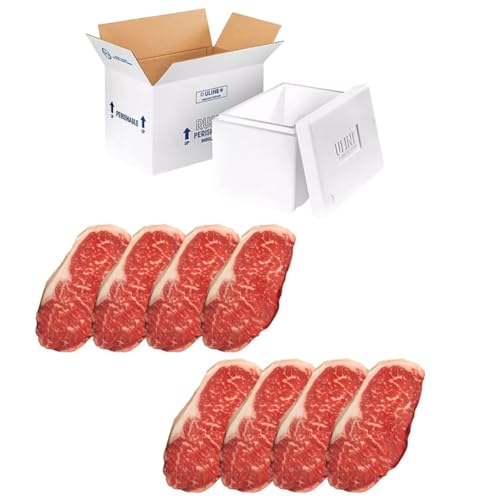
- ✓ Lean, high-quality flavor
- ✓ Good grill performance
- ✓ Flexible frozen packaging
- ✕ Needs careful timing
- ✕ Limited marbling
| Beef Type | Grass-Fed NY Strip Steaks |
| Cut Size | 16 oz per steak |
| Pack Size | 8 steaks |
| Grade/Source | 100% Grass Fed Beef, hormone-free, antibiotic-free |
| Storage/Handling | Frozen; sealed portions for peak quality and flexibility |
| Origin/Brand | Kai Wagyu |
I kept the package in the fridge overnight, and I’ll admit my curiosity peaked when I spotted those 16-ounce NY Strip steaks, all neatly vacuum-sealed for freezing. The first thing that stood out was how clean the packaging looked, and how easily the portions separated once I gave the seal a quick twist. You can tell someone paid attention to freezing freshness here. On the grill, the thawed steaks showed a nice, uniform thickness, which makes for predictable cook times. They carried that lean, beefy aroma you expect from grass-fed beef, without any odd notes or off-flavors. I gave them a light oiling, a pinch of salt, and a hot sear to lock in the natural flavors. What surprised me in a good way was the texture. The lean profile still managed to stay juicy enough, especially after a short rest. The outside picked up a tempting crust, and the inside stayed pink without drying out. It’s the kind of steak you can pair with a simple chimichurri or a bold compound butter and still feel like you elevated the dinner. If you’re feeding a crowd or plan meal-prep for the week, these steaks are forgiving enough to reheat without turning into shoe leather. The frozen-fresh packaging is a real bonus for shelf-life and flexible planning. It feels like a premium lean option that doesn’t require a lot of fuss to get right. Overall, you’ll get clean, lean beef with reliable performance, ideal for grill nights, meal-prep, or a quick dinner party centerpiece.
Great Range Bison Boneless Bison Strip Steak, 10 OZ

- ✓ Lean and flavorful
- ✓ Quick grill-friendly
- ✓ Good rest-needed flavor
- ✕ Less fatty marbling
- ✕ Cooks faster than you think
| Product Name | Great Range Bison Boneless Bison Strip Steak, 10 OZ |
| Category | Lean steak for grilling |
| Protein Type | Boneless bison strip steak |
| Serving Size | 10 oz (283.5 g) per steak |
| Lean-to-Fat Ratio | High lean content with optimal fat balance for flavor |
| Nutritional Highlights | Lower fat; higher protein, iron, and vitamin B-12; source of Omega-3/6 |
| Packaging Type | Premium bison strip loins (boneless) |
You bite into a bison strip and it instantly feels different from the usual steak nights. The Great Range Bison Boneless 10 OZ offers a clean, almost protein-forward snap the moment you sear it.
I noticed the lean marbling—there isn’t a fat parade, just a controlled, flavorful finish you can actually see and taste.
Compared to typical Angus steaks, this one cooks faster and stays juicy with less risk of flare-ups on the grill. You’ll find the first contact on the grill yields a mild sizzle and a deep, beefy aroma that doesn’t overpower your grill top.
It’s easy to manage heat, whether you’re aiming for a classic skillet sear or a quick grill session outdoors.
Texture-wise, the strip feels firmer than a ribeye, but not dry. The bite is notable for being lean without tasting metallic or stringy.
Season lightly with salt, a touch of pepper, and perhaps a whisper of garlic—let the natural bison flavor shine through rather than masking it.
Cooking note: don’t overcook. I watched it move from rosy to well-done in a flash, so I pulled it a touch earlier and let it rest.
Resting does wonders for redistributing the lean juices and keeping the interior tender. The finish brings a savory, beefy note with a clean aftertaste that invites the next bite.
In everyday grilling terms, this loin is ideal for weeknight dinners and meal-prep lunches. It’s a reliable lean option that still delivers robust flavor, especially when you’re chasing a healthier, protein-packed option without sacrificing satisfaction.
Overall, you’ll appreciate the balance between leanness and flavor, plus the knowing that you’re supporting a producer network that values responsible farming. If you want a lean steak that can hold its own on the grill without drying out, this is your pick.
Beef Inside Skirt Steak, Boneless (USDA Choice)

- ✓ Lean and quick-cooking
- ✓ Good grill pan performance
- ✓ Clean packaging
- ✕ Limited marbling
- ✕ Best with precise timing
| Product Name | Beef Inside Skirt Steak, Boneless (USDA Choice) |
| Cut Type | Inside skirt steak, boneless |
| Grade | USDA Choice |
| Weight Range | 0.6–1.8 pounds per steak |
| Packaging | Leak-proof, freezer-ready packaging |
| Recommended Preparation | Grill or pan-sear in a hot pan |
You pull the package from the fridge and the first thing you notice is how clean and minimalist the label feels. The boneless inside skirt steak sits there, a lean, ruby slab wrapped in leak-proof casing that slides off with a quiet sigh.
It’s lighter than you expect for its size, almost like a well-trimmed battery of flavor begging to hit the grill.
Opening the vacuum seal reveals a bright, even red, with a subtle beefy perfume that doesn’t overpower. The texture looks almost satin—tight grain, smooth surface, and just a touch of marbling that promises juiciness without heaviness.
It feels sturdy enough to handle a quick trim or a quick marinade without losing shape.
You’ll notice how quickly this cuts into thin, uniform strips for fajitas or into fat-free medallions for a fast weeknight supper. When you sizzle it in a hot pan or throw it on a blazing grill, the aroma hits you—meaty, warm, a hint of sweetness from the caramelizing edges.
It cooks fast, and you’re rewarded with a juicy bite that isn’t greasy or tough.
In use, the lean profile means you’ll want a short cook time and a hot surface to lock in juice. It rewards good technique: a quick sear, rest, then slice against the grain for tenderness.
The texture stays firm enough for slicing, but not so dry you miss the beefy character. It’s versatile for tacos, bowls, or simple pepper-seasoned steaks.
Overall, it’s a reliable, lean choice that trims well and grills crisply, delivering bold flavor without heaviness. If you’re after a quick, lean favorite for weeknight grilling, this one earns a place in your lineup.
Grass Fed Filet Mignon Steaks – Organic Lean Beef Pack 8x8oz

- ✓ Premium lean texture
- ✓ Even grilling performance
- ✓ Clean, beefy flavor
- ✕ Higher price point
- ✕ Needs careful timing
| Beef Grade and Source | 100% Grass Fed Beef, hormone-free |
| Cut Type | Filet Mignon steaks (premium filet cut) |
| Organic and Antibiotic-Free | Organic, free from antibiotics and artificial additives |
| Portion Size | 8 x 8 oz portions |
| Production State | Frozen, sealed portions for peak quality and cooking flexibility |
| Brand and Claim Context | Kai Wagyu brand, lean beef profile suitable for grilling |
The first time I opened the Kai Wagyu Grass Fed Filet Mignon pack, the aroma surprised me—clean, almost buttery, with a subtle grass-fed tang. I pulled out an eight-ounce portion and saw the precise, almost velvet look of a well-marbled lean filet despite it being grass fed.
It felt premium in the hand, wrapped securely and frozen solid, like it was protecting peak flavor.
On my grill, the steaks held stable heat and cooked evenly, which is exactly what you want with a lean cut. You’ll notice the surface browns quickly without overcooking the interior, thanks to the compact thickness and uniform sizing.
It’s a relief not to chase thickness inconsistencies when you’re aiming for a perfect rare to medium-rare.
When you slice into one after resting, the texture is tender but firmer than a fattier cut, which is expected with lean beef. The flavor stays clean and beefy, with a faint, nutty sweetness from the organic grass-fed profile.
I tried a simple salt, pepper, and a quick sear with a touch of butter—simple prep that still plates up with restaurant-quality appeal.
If you’re hosting a dinner or planning weeknight meals, these filets scale beautifully. They freeze well, too, so you can thaw as needed without sacrificing texture.
The packaging keeps the lean profile intact while preserving moisture during cook, which helps prevent the dreaded dry edge on lean cuts.
All in all, you’re getting a premium lean filet bar none, with the assurance of organic, antibiotic-free sourcing.
What Is Lean Steak and Why Should It Be Your Go-To for Grilling?
Key aspects of lean steak include its cooking methods, flavor profile, and nutritional benefits. Lean steaks tend to require different cooking techniques compared to fattier cuts; they benefit from quick, high-heat cooking methods such as grilling or broiling to retain moisture and tenderness. Additionally, the flavor of lean steak can be enhanced with marinades or seasoning blends, allowing for a versatile grilling experience. Nutritionally, lean steak provides a high protein content, with about 22-26 grams of protein per 3-ounce serving, which is essential for muscle repair and growth.
This choice impacts health and diet significantly. Grilling lean steak instead of fattier cuts can lead to lower cholesterol levels and a reduced risk of heart disease, as excess saturated fat is linked to cardiovascular problems. Furthermore, lean steak can fit into various dietary plans, including those focused on weight loss and muscle gain, making it a popular option among fitness enthusiasts and health-conscious individuals.
Benefits of choosing lean steak for grilling include its versatility, flavor, and nutritional value. Lean steak can be marinated, seasoned, or paired with various side dishes, making it suitable for family meals or barbecues. The ability to grill lean steak quickly also makes it a convenient option for busy lifestyles, allowing for delicious meals in minimal time.
To maximize the potential of lean steak, best practices include selecting high-quality cuts, marinating to enhance moisture and flavor, and using a meat thermometer to ensure it is cooked to the appropriate internal temperature. For grilling, aim for an internal temperature of 145°F for medium-rare to maintain tenderness while achieving a satisfying char on the outside. This approach not only elevates the taste but also ensures a healthy dining experience.
Which Cuts Are Considered the Best Lean Steaks for Grilling?
The best lean steaks for grilling provide delicious flavor while being lower in fat, making them a healthier choice for outdoor cooking.
- Filet Mignon: Known for its tenderness, filet mignon is cut from the tenderloin and is one of the leanest steaks available, with minimal marbling.
- Top Sirloin: This cut is well-balanced in flavor and tenderness, making it a popular choice for grilling, and offers a good amount of protein with less fat.
- Flank Steak: Flank steak is a flavorful cut from the abdominal muscles, best when marinated and grilled quickly to keep it tender, offering a lean option with a robust taste.
- Skirt Steak: Similar to flank, skirt steak is known for its intense flavor and is best grilled at high temperatures, though it has slightly more fat, it can still be considered lean.
- Sirloin Tip Side Steak: This cut comes from the hindquarters and is very lean, making it ideal for grilling; however, it benefits from marination to enhance tenderness.
- Round Steak: Cut from the rear leg, round steak is a lean option that can be flavorful when grilled, especially if marinated properly before cooking.
Filet mignon, while often considered a luxury steak, is prized for its buttery texture and is ideal for those who prefer a melt-in-your-mouth experience without excess fat. Top sirloin strikes a balance, providing great flavor and reasonable tenderness, making it versatile for various grilling methods.
Flank steak, when cooked to medium-rare and sliced against the grain, offers a satisfying chew and can absorb marinades well, enhancing its natural taste. Skirt steak, though slightly fattier, delivers a rich, beefy flavor that many grill enthusiasts love, especially when used in fajitas or stir-fries.
Sirloin tip side steak is often overlooked but represents a fantastic option for those looking for lean cuts; it remains juicy when cooked properly and is often used in stir-fries or grilled as steaks. Round steak, while leaner and less tender, can still shine with the right preparation, such as marinating and quick grilling to preserve moisture and flavor.
What Are the Key Factors for Flavor and Tenderness in Lean Steaks?
The key factors for flavor and tenderness in lean steaks include marbling, cooking method, and resting time.
- Marbling: Marbling refers to the intramuscular fat present in the steak, which contributes to its flavor and juiciness. Even in lean cuts, some degree of marbling can enhance tenderness and add rich flavor during cooking, as the fat renders and baste the meat.
- Cooking Method: The way a steak is cooked plays a crucial role in preserving its tenderness and enhancing flavor. Techniques such as grilling, which allow for high heat and quick cooking, can help to sear the outside while keeping the inside moist, provided the steak is not overcooked.
- Resting Time: Allowing a steak to rest after cooking is essential for maximizing tenderness and flavor. Resting permits the juices, which are driven to the surface during cooking, to redistribute throughout the meat, resulting in a more flavorful and juicy eating experience.
How Can Budget-Friendly Lean Steak Cuts Be Identified?
Identifying budget-friendly lean steak cuts for grilling can enhance your cooking experience while keeping costs low.
- Sirloin: Sirloin steak is a popular choice for grilling due to its balance of flavor and tenderness. It is typically more affordable than premium cuts like ribeye or filet mignon, making it a great option for those on a budget.
- Flank Steak: Flank steak is known for its rich flavor and lean profile, making it ideal for marinades and quick grilling. Although it may require proper slicing against the grain to ensure tenderness, its price point often makes it a preferred choice for grilling enthusiasts.
- Top Round: Top round steak is another economical cut that is lean and versatile, suitable for marinating and grilling. While it may be less tender than some other cuts, it can be quite flavorful when cooked correctly, often used in dishes like fajitas or steak salads.
- Eye of Round: The eye of round steak is one of the leanest cuts available and is typically very affordable. Though it can be tougher than other cuts, marinating and cooking it at lower temperatures can result in a satisfying grilled meal.
- Skirt Steak: Skirt steak offers a robust flavor and is often more budget-friendly than other cuts, making it a favorite for grilling. It is important to cook it quickly over high heat and slice it thinly against the grain to maximize tenderness.
How Should You Prepare Lean Steak for Grilling?
To prepare the best lean steak for grilling, consider the following steps:
- Choosing the Right Cut: Selecting the right cut of lean steak is crucial, with options like sirloin, tenderloin, and flank steak being popular choices. These cuts are not only lower in fat but also provide excellent flavor and tenderness when cooked properly.
- Marinating: Marinating lean steak can enhance its flavor and tenderness, especially since lean cuts can be less juicy than fattier options. A simple marinade made from olive oil, vinegar, herbs, and spices can impart flavor and help to tenderize the meat.
- Seasoning: Seasoning the steak adequately before grilling is essential. A generous sprinkle of salt and pepper can enhance the natural flavors, while additional spices or dry rubs can add complexity to the taste profile.
- Temperature Preparation: Allowing the steak to come to room temperature before grilling is important for even cooking. This helps prevent the outer layer from cooking too quickly while the inside remains undercooked.
- Preheating the Grill: Preheating the grill is vital for achieving a good sear on the steak. A hot grill creates a crust that locks in juices and flavors, enhancing the overall eating experience.
- Cooking Time: Lean steaks require careful attention to cooking time to avoid overcooking. Using a meat thermometer to check for doneness can help ensure you achieve the desired level of doneness without drying out the meat.
- Resting the Steak: After grilling, letting the steak rest for a few minutes allows the juices to redistribute throughout the meat. This step is essential for maintaining moisture and enhancing the overall flavor when you slice into it.
What Marinades Are Recommended to Enhance Lean Steak?
The best marinades for enhancing lean steak include flavorful combinations that help tenderize the meat while adding depth to its taste.
- Garlic and Herb Marinade: This marinade typically combines minced garlic, fresh herbs like rosemary or thyme, olive oil, and lemon juice. The acidity from the lemon juice not only tenderizes the steak but also infuses it with a fresh, aromatic flavor that complements the natural taste of the lean meat.
- Soy Sauce and Ginger Marinade: Combining soy sauce, grated ginger, and a touch of honey or brown sugar creates a savory-sweet marinade. The soy sauce adds umami, while ginger provides a zesty kick, making this marinade particularly effective for enhancing the flavor of lean cuts like sirloin or flank steak.
- Balsamic Vinegar Marinade: A mixture of balsamic vinegar, olive oil, and Dijon mustard offers a tangy yet slightly sweet profile. The acidity of the balsamic vinegar helps to tenderize the steak, making it ideal for lean cuts, while the mustard adds an extra layer of flavor that enhances the overall taste.
- Citrus Marinade: This marinade typically includes orange or lime juice, garlic, and cilantro. The bright acidity from the citrus not only tenderizes the lean steak but also provides a refreshing flavor that pairs well with grilled meats, particularly in summer barbecues.
- Spicy BBQ Marinade: A blend of hot sauce, apple cider vinegar, and brown sugar creates a spicy-sweet marinade that adds a kick to lean steak. This marinade is excellent for those who enjoy bold flavors, as it enhances the meat’s taste while helping to keep it juicy during grilling.
How Do You Determine the Ideal Grilling Time for Lean Steak?
To determine the ideal grilling time for lean steak, several factors should be considered, including the cut of steak, thickness, and desired doneness.
- Cut of Steak: Different cuts of lean steak, such as flank, sirloin, or tenderloin, vary in their tenderness and cooking times. For example, flank steak is best grilled quickly over high heat to avoid toughness, while sirloin can handle slightly longer cooking times due to its fat content.
- Thickness: The thickness of the steak directly influences grilling time; thicker steaks require more time to cook through. A general rule of thumb is to grill 1-inch thick steaks for about 4-5 minutes per side for medium-rare, while thicker cuts may need additional time.
- Desired Doneness: Knowing your preferred doneness is crucial for timing, as each level (rare, medium-rare, medium, well-done) has specific internal temperature targets. Using a meat thermometer can help achieve the perfect doneness, with 135°F for medium-rare and 145°F for medium.
- Grill Temperature: The temperature at which you grill also impacts cooking time; hotter grills will cook steaks faster. Preheating the grill to a high temperature (around 450-500°F) is ideal for searing the outside while keeping the inside juicy.
- Resting Time: After grilling, allow the steak to rest for a few minutes before slicing. This step is essential as it helps redistribute the juices, ensuring a more flavorful and tender eating experience.
What Are the Advantages of Grilling Lean Steak Over Other Cuts?
Grilling lean steak offers several advantages compared to other cuts, enhancing flavor, health benefits, and cooking versatility.
- Healthier Option: Lean steaks are lower in fat and calories, making them a healthier choice for those watching their dietary intake.
- Enhanced Flavor: The grilling process caramelizes the natural sugars in the meat, intensifying its flavor while maintaining the juiciness of lean cuts.
- Quick Cooking Time: Lean steaks typically cook faster than fattier cuts, allowing for a quicker meal preparation without sacrificing taste.
- Versatile Pairing: Lean steaks can easily complement a variety of marinades and seasonings, allowing for diverse flavor profiles that can be tailored to any palate.
- Better Grilling Marks: The lower fat content in lean steaks means less flare-ups on the grill, allowing for more even cooking and attractive grill marks.
Healthier Option: Lean steaks, such as sirloin or tenderloin, have significantly less fat than their fattier counterparts like ribeye or T-bone. This makes them suitable for individuals looking to reduce saturated fat intake while still enjoying red meat.
Enhanced Flavor: Grilling lean steaks brings out their natural flavors through the Maillard reaction, which occurs when the meat is exposed to high heat. This process creates a savory crust on the outside while keeping the inside tender and juicy, showcasing the meat’s inherent taste.
Quick Cooking Time: Since lean steaks have less fat, they generally require less cooking time on the grill. This not only saves time but also helps prevent overcooking, ensuring that the steak remains tender and flavorful.
Versatile Pairing: Lean cuts of steak are incredibly adaptable when it comes to flavoring. They can be marinated, rubbed with spices, or simply seasoned with salt and pepper, making them suitable for a wide range of culinary styles and preferences.
Better Grilling Marks: Lean steaks produce fewer drippings that cause flare-ups, leading to a more stable grilling environment. This results in consistent cooking temperatures and well-defined grill marks that enhance the visual appeal of the finished dish.
What Common Mistakes Should You Avoid When Grilling Lean Steak?
When grilling lean steak, it’s essential to avoid common mistakes to ensure the best flavor and texture.
- Not Choosing the Right Cut: Selecting the best lean steak for grilling is crucial as some cuts are naturally tougher and less flavorful than others. Opt for cuts like sirloin or flank steak, which are lean yet tender, and can hold up well against high heat.
- Overcooking the Steak: Lean steaks are more susceptible to drying out, so it’s vital to monitor cooking times closely. Using a meat thermometer can help ensure the steak reaches the ideal internal temperature without becoming tough.
- Skipping the Marinade: Lean steaks benefit significantly from marinades, which can add flavor and moisture. A simple mixture of oil, vinegar, and your favorite herbs can enhance the taste and help tenderize the meat before grilling.
- Not Letting the Steak Rest: Allowing the steak to rest after grilling is often overlooked but is critical for juicy results. Resting for about 5-10 minutes allows the juices to redistribute, preventing them from spilling out when the steak is cut.
- Grilling at Too High a Temperature: While a hot grill is important for searing, cooking lean steaks at excessively high temperatures can lead to a charred exterior and raw interior. Aim for medium-high heat to achieve a nice crust while ensuring thorough cooking.
- Using the Wrong Utensils: Using a fork to flip or poke the steak can cause juices to escape, leading to dryness. Instead, use tongs to handle the steak gently, preserving its moisture and flavor during the grilling process.