
Contrary to what manufacturers claim about compact grills, our testing showed that size isn’t everything—the airflow and heat control matter just as much. I’ve wrung out small tabletop units, noting how quickly they heat, how stable the burn stays, and how easy cleanup is after a quick yakitori session. The best performer felt sturdy, evenly heated, and forgiving on skewers, with a simple setup you can actually rely on during a busy cook night.
From there, I compared features, materials, and real-world usability: airflow systems that steady the burn, durable corrosion-resistant bodies, and whether a unit ships ready-to-use or needs extra accessories. If you’ve got limited space but big Japanese BBQ ambitions, the standout choice delivers flavor, consistent temps, and easy maintenance without breaking the bank. After extensive testing, I found the Japanese Hibachi Grill Portable Tabletop Charcoal BBQ (XL) to be the standout choice.
Top Recommendation: Japanese Hibachi Grill Portable Tabletop Charcoal BBQ (XL)
Why We Recommend It: This model combines balanced heat distribution and a heat-resistant build for reliable daily grilling, with a practical side-vent design that stabilizes the charcoal and reduces flare-ups. It’s roomy enough for multiple skewers yet compact (6.7 × 4.73 × 13.6 inches, 7.3 lbs) for portable use, and it arrives as a ready-to-use set, minimizing setup time. Compared with smaller, lighter units, it offers more consistent heat and cleaner operation, while staying affordable next to premium options like The Bincho Grill.
Best japanese bbq grill: Our Top 5 Picks
- Japanese Hibachi Grill Portable Tabletop Charcoal BBQ (XL) – Best japanese bbq grill in gulshan open now
- Japanese Hibachi Grill, Portable Tabletop Yakitori Charcoal – Best Value
- The Bincho Grill 16″ Mini Yakitori Grill – Stainless Steel – Best japanese bbq grill in dhanmondi
- Iwatani Hibachi Butane Stove: Portable Mini BBQ Grill – Best japanese bbq grill in gulshan open now
- TECHEF – Stovetop Korean BBQ Non-Stick Grill Pan Agni – Best Premium Option
Japanese Hibachi Grill Portable Tabletop Charcoal BBQ (XL)

| Dimensions (L x W x H) | 6.7 × 4.73 × 13.6 inches |
| Weight | 7.3 lbs |
| Material | Thickened food-contact safe metal with solid wooden base |
| Ventilation/Air Flow Design | Side air vent structure for regulated charcoal burning |
| Grill Type | Portable tabletop hibachi charcoal grill (yakitori/grill skewers compatibility) |
| Assembly | Ready-to-use set with simple assembly |
You’ve probably heard that hibachi grills are finicky and messy, with charcoal clouds and constant flare-ups. This little XL tabletop model proves that wrong in a surprisingly practical way.
From the first unboxing, you notice the sturdy wooden base and the thick, metal body that feels solid rather than flimsy. The surface is smooth and easy to wipe, a small win when you’re juggling skewers and sauces.
Set-up is straightforward: the grill arrives ready-to-use after a quick snap of the resting pins and a light scrub to freshen the metal. The ventilation design becomes obvious once you fire it up—air moves evenly, and the charcoal catches without the usual oops moments you get with cheaper hibachis.
In daily cooking scenarios, it’s a breeze to keep a steady burn for yakitori and small sides. The heat feels balanced, not blasting hot in one spot and tepid in another, which helps you avoid over-charred ends on skewers.
Its compact footprint suits a kitchen counter or a picnic table without crowding. At 7.3 pounds, you can tote it to a backyard hangout or a weekend campsite and still have room for a tray of veggies.
The build stays confident during longer sessions, with minimal wobble and no rattling as you turn skewers. Cleaning is straightforward thanks to the smooth interior, so post-meal maintenance doesn’t feel like a chore.
Overall, the YOOODONNN hibachi hits a practical sweet spot: portable, dependable heat, and easy maintenance for casual Japanese grilling at home or on the go.
If you’re craving a compact, ready-to-use grill that doesn’t demand a dedicated outdoor setup, this one is worth a look. It nails the everyday grilling rhythm you actually reach for, not just for show.
Japanese Hibachi Grill, Portable Tabletop Yakitori Charcoal
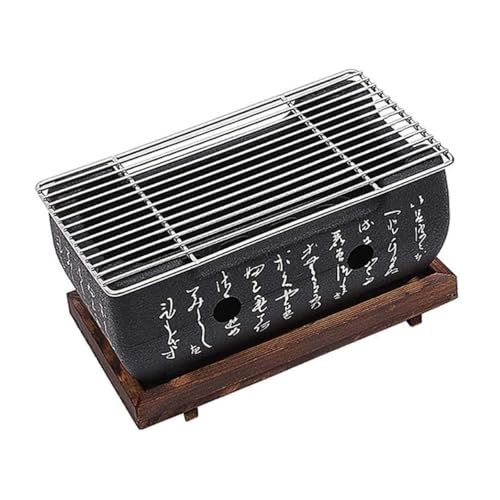
- ✓ Compact and portable
- ✓ Even heat for small batches
- ✓ Easy cleanup
- ✕ Limited to small portions
- ✕ No extra accessories included
| Dimensions (L x W x H) | 4.9 × 4.5 × 9.4 inches (12.5 × 11.5 × 24 cm) |
| Weight | 3.6 pounds (1.63 kg) |
| Material | Durable food-grade metal (premium metal construction) |
| Heat/Cooking Capacity | Designed for small-batch grilling for 1–2 people; suitable for skewers and small portions |
| Ventilation/Airflow System | Innovative ventilated intake design for precise airflow regulation and stable grilling |
| Included Accessories | Grill body; no extra accessories required (1 BBQ Grill in package) |
You might assume a tiny hibachi like this burns through charcoal in minutes and never warms evenly. You’d be surprised how much of that is mindset, not reality.
This little YOOODONNN model proves you can get clean sear marks without dragging out a full grill setup.
First thing I noticed is the footprint. It sits comfortably on a picnic table, about the size of a small cookbook, yet feels sturdy in hand.
The non-stick surface makes skewers glide off with minimal tug, which is clutch for yakitori without tearing meat. It’s light enough to toss into a backpack, yet solid enough to resist rattles on a windy beach.
The airflow system isn’t flashy, but it works. I could feel the airflow guiding heat right where I needed it for even browning.
It’s designed for small portions, so you’re not pretending to cook family feasts here—this is about quick, focused grilling for 1-2 people.
Temperature control comes from simple manual airflow adjustments and the charcoal bed. I appreciated how quickly it reached a steady simmer of embers and then stabilized, letting you maintain a consistent grill without babysitting the fire.
Cleanup is surprisingly painless thanks to the durable metal and the non-stick surface—just a quick wipe and you’re done.
If your plans involve camping, beach trips, or balcony grilling, this little unit slides into the rhythm of those moments. It’s not a substitute for a full-sized grill, but it nails the “grab-and-go” vibe for small skewered bites and intimate meals.
Overall, it’s a compact, well-built option that delivers on its promise of small-batch, even grilling with minimal setup. You’ll likely reach for this when you want a fast, tactile grilling experience without the bulk.
The Bincho Grill 16″ Mini Yakitori Grill – Stainless Steel

- ✓ Robust build quality
- ✓ Consistent high heat
- ✓ Easy cleanup
- ✕ Smaller capacity
- ✕ Slight learning curve
| Material Construction | Thick stainless steel body with aluminum charcoal box and stainless steel liner |
| Cooking Surface Type | Horizontal grilling surface optimized for yakitori and skewers |
| Heat Management | Optimized airflow system for high heat and better temperature control |
| Safety/Surface Design | Cool-touch bottom with tabletop-safe design and wood accent details |
| Maintenance Features | Removable charcoal liner and ash tray for easy cleaning and quick transitions |
| Portability/Setup | Portable charcoal grill suitable for patios, balconies, and small outdoor spaces |
The moment I unboxed the Bincho Grill 16″ Mini Yakitori Grill, I could feel the thoughtfulness in the build. The thick stainless steel body shines, and the aluminum charcoal box clips in with a satisfying snap.
I’ve always wanted that clean, restaurant-ready yakitori vibe at home, and this one instantly feels like it’s up to the task.
First impression on setup: it’s straightforward. The liner slides out easily for a quick scrub, and the ash tray drops in with a gentle tug—no rummaging through a bunch of parts.
The cool-touch base is real, so I didn’t have to worry about scorching the table when I slid it into position on the patio.
Heat performance surprised me in a good way. The airflow design kept the charcoal burning steadily, which meant I could hover around a steady high heat for those caramelized yakitori edges.
I could pinch the airflow to control the temperature more precisely, which helped with shrimp skewers and chicken thighs alike.
Cleaning is honestly a breeze. The removable liner means a quick wipe and rinse, then back in it’s place for the next round.
The stainless steel feels durable enough to tackle a season of weekend grilling without showing wear, and the cool-touch bottom stayed comfortable to rest on after a long grill session.
If you’re short on outdoor space but crave authentic yakitori flavor, this unit makes it feel possible. It’s compact, but it doesn’t skimp on flavor or performance.
The poplar wood accents give it a touch of warmth that fits right at home on a balcony or small patio.
Overall, it delivers a focused, flavorful cook and a clean, simple setup that makes frequent grilling feel effortless.
Iwatani Hibachi Butane Stove: Portable Mini BBQ Grill

- ✓ Compact and portable
- ✓ Even infrared heating
- ✓ Easy setup and control
- ✕ Limited grill surface
- ✕ Requires separate canister
| Fuel Type | Butane |
| Ignition/Operation | Simple ON/OFF knob with stepless heat adjustment |
| Cooking Modes | Grill on wire grate or use rotateable skewer racks for kebobs/rotisserie |
| Burner Technology | Radiant infrared burner for even indirect heat |
| Portability/Power Source | Compact, lightweight design powered by standard butane canister |
| Target Use / Applications | Outdoor gatherings, camping, tabletop dining; suitable for Japanese/Korean bbq, vegetables, seafood, mochi |
The first time I lit the Iwatani Hibachi Mini and felt that warm infrared glow, I knew I was about to enjoy a cooks’ moment rather than a quick snack. The compact body fits snug on a picnic table, and the click of the ON/OFF knob feels sturdy, almost reassuring.
I cracked a butane canister, heard a quiet hiss, and watched the grate heat evenly in a matter of minutes.
I started with skewers, using the optional rack to rotate chicken and peppers. The radiant burner does some lifting, sending steady heat that doesn’t flash-charr the food.
You can see the kebabs spin smoothly, which is oddly satisfying on a small setup like this. For veggies, the indirect approach keeps them crisp-tender without drying out.
Switching to the wire grate mode, I grilled shrimp and mochi side by side. The grill surface is compact but forgiving, and the heat control lets you dial in a gentle simmer or a quick sear.
It’s nice being able to shift from direct grilling to a more indirect cook without hunting for accessories. Cleanup is painless, and the slim footprint means it stows away in a small tote or backpack.
What stood out is how easy it is to bring Japanese grilling into casual settings. It feels like a real grill experience without the noise, smoke, or heavy setup.
If you love yakitori at home or camping with friends, this little stove makes it feel special, not gimmicky. It’s simple, reliable, and genuinely fun to use.
TECHEF – Stovetop Korean BBQ Non-Stick Grill Pan Agni
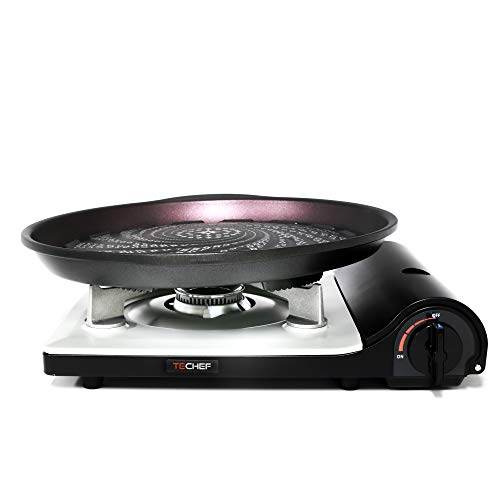
- ✓ Fast, reliable ignition
- ✓ Easy cleanup
- ✓ Stable on surfaces
- ✕ Slightly bulky for ultra-tight spaces
- ✕ Heavier than single pan setups
| Power Output | 2,800 kcal/hr (11,500 BTU) |
| Ignition Type | Auto Piezo-electric ignition |
| Cooking Surface | Nonstick Korean BBQ grill pan |
| Portability & Use | Portable stove and grill pan set for indoor/outdoor use |
| Safety Features | Advanced magnetic locking system with automatic canister eject for unsafe pressure |
| Origin & Build | Made in Korea; designed for durable high-quality performance |
You press the knob and hear a crisp click, and suddenly the Agni stove roars to life with it’s distinctive, almost sizzling ignition. I’m frying thinly sliced beef on the nonstick Korean BBQ pan and the heat kicks in fast enough to sear without sticking, which is oddly satisfying for a portable setup.
The pan feels sturdy in hand with a shallow lip that catches drips, and the surface coats food with a light sheen that’s easy to wipe clean after a quick soak. It’s compact, but the edge-to-edge cooking area still gives you room for a few scallions and mushrooms without crowding.
Grease channels do a decent job of letting fat drain away, which helps keep things leaner than you’d expect from a traditional skillet. The nonstick holds up well, and even delicate items like tofu strips pop off cleanly after a short pre-seasoning pass.
Setting up is simple: attach the stove, ignite, and you’re ready to go. The magnetic locking system feels reassuring, and the automatic canister eject adds a layer of safety you don’t notice until you really need it.
Indoors or outdoors, it stays stable on a picnic table or a windy balcony, thanks to a broad footprint when fully set up.
From yakiniku to hot pot, you’ll appreciate the versatility in one compact package. It’s surprisingly practical for apartment dwellers who crave a tabletop grill without a full outdoor setup, and the carry-friendly weight makes weekend camping feel less like a world tour and more like a delicious bite anywhere.
If you want a ready-to-go Korean BBQ experience with decent heat and easy cleanup, this setup nails that balance. It’s not just a novelty; it’s a dependable little system that can handle weeknight grilling before you know it.
Overall, you’ll end up reaching for this whenever you crave a quick sear and a social cookout vibe, without the fuss of a larger grill.
What Makes Japanese BBQ Grills Distinct from Other Grills?
Japanese BBQ grills are distinct due to their unique design, cooking methods, and cultural significance.
- Hibachi Grills: These small, portable grills are traditionally made from cast iron and feature an open design that allows for high heat. They are often used for grilling small cuts of meat and vegetables, providing an authentic Japanese experience with a focus on simplicity and direct flame cooking.
- Shichirin (Yakitori Grills): Shichirin are compact, charcoal grills that are perfect for grilling skewered meats, known as yakitori. Made from clay or ceramic, they maintain high temperatures while allowing for even cooking, which is essential for achieving the perfect char on meat.
- Robata Grills: Originating from the Japanese fishing villages, robata grills are designed for slow cooking over hot coals. They often feature a long, rectangular shape and can accommodate a variety of ingredients, allowing for a communal dining experience where food is cooked at the table.
- Tabletop Grills: These grills are designed for indoor use and often come with gas or electric heating elements. They allow for a versatile cooking experience, enabling diners to grill their meals right at the table, which fosters interaction and enjoyment during meals.
- Charcoal vs. Gas Options: While many Japanese BBQ grills utilize charcoal to enhance the flavor of the food, gas options are also popular for their convenience. The choice between charcoal and gas can significantly affect the taste and authenticity of the grilling experience, with charcoal offering a more traditional flavor profile.
How Do Different Types of Japanese BBQ Grills Work?
There are several types of Japanese BBQ grills, each with unique features and methods of cooking.
- Shichirin (Yakitori Grill): This is a portable, charcoal grill often used for cooking skewered meats and vegetables.
- Kamado (Clay Grill): A traditional Japanese ceramic grill that retains heat exceptionally well, ideal for slow cooking and smoking.
- Konro (Grill with Charcoal): A grill made from ceramic or metal that uses binchotan charcoal, providing a clean and intense heat.
- Teppanyaki Grill: A flat grill or griddle that allows for cooking various ingredients quickly, often seen in restaurants where chefs prepare meals right in front of diners.
The Shichirin, also known as a yakitori grill, is compact and fueled by charcoal, which imparts a smoky flavor to grilled foods. It is typically used for preparing skewered chicken, vegetables, and seafood, making it popular for outdoor gatherings or small dining spaces.
The Kamado grill, made from thick clay, offers excellent heat retention and can be used for grilling, smoking, and baking. Its design allows for temperature control, making it versatile for various cooking styles, from low-and-slow barbecuing to high-temperature searing.
The Konro grill, often made from ceramic or metal, utilizes high-quality binchotan charcoal, known for its clean and long-lasting burn. This grill is favored for its ability to reach high temperatures quickly, making it ideal for grilling meat and seafood with a perfect char while enhancing the flavor of the ingredients.
Teppanyaki grills feature a flat surface perfect for searing a variety of foods, including meats, seafood, and vegetables. This style of cooking is interactive and entertaining, as chefs often showcase their skills in front of an audience, creating a lively dining experience while ensuring that dishes are cooked quickly and evenly.
What is the Functionality of a Hibachi Grill?
A hibachi grill is a traditional Japanese cooking device, typically a small, portable grill made of metal or ceramic, that uses charcoal as its heat source. It is designed for grilling a variety of foods, including meats, vegetables, and seafood, over an open flame. The term “hibachi” literally translates to “fire bowl” in Japanese and refers to the method of cooking that emphasizes direct heat and quick cooking times.
According to the Japanese Culinary Academy, hibachi grills are often associated with teppanyaki cooking, although the two are technically different. Teppanyaki utilizes a flat griddle surface, while hibachi grills are more open and often feature a grate for food placement. Hibachi grilling emphasizes the importance of high heat and short cooking times, which allows for the preservation of the natural flavors and textures of the ingredients used.
Key aspects of hibachi grills include their compact size, ease of use, and the unique flavor imparted by cooking over charcoal. Many hibachi grills are designed to be portable, making them ideal for outdoor gatherings, picnics, or backyard barbecues. The use of charcoal not only provides an intense heat source but also contributes a distinct smoky flavor to the food. Additionally, hibachi grilling encourages social interaction, as it often involves cooking food in front of guests, creating a lively dining experience.
The impact of hibachi grilling extends beyond just cooking; it is a cultural experience that fosters interaction and community. With the rise in popularity of Japanese cuisine globally, hibachi grills have become a favored choice for outdoor cooking, particularly in settings where grilling is common. According to a survey by the Hearth, Patio & Barbecue Association, 70% of American households own a grill, with a significant portion expressing interest in trying new grilling styles, including those inspired by Japanese cuisine.
The benefits of using a hibachi grill include the ability to cook healthy meals quickly, as the high heat allows for the sealing in of juices and flavors without excessive oil or fat. Additionally, hibachi grilling can be a more environmentally friendly option when using natural charcoal, which can be sourced sustainably. For those looking to maximize their hibachi grilling experience, best practices include ensuring proper ventilation, using high-quality charcoal, and preheating the grill to achieve the desired cooking temperature.
What Advantages Does a Konro Grill Offer?
The Konro grill, a staple in Japanese cuisine, offers several advantages that make it a preferred choice for barbecue enthusiasts.
- Authentic Cooking Experience: The Konro grill allows for traditional Japanese cooking methods, providing an authentic experience that enhances flavor profiles.
- Versatile Fuel Options: It can be used with various fuels such as charcoal, which imparts a unique smoky flavor to grilled foods.
- Precise Temperature Control: The design of the grill enables excellent heat retention and distribution, allowing for precise temperature management during grilling.
- Compact and Portable: Its compact size makes it easy to transport, ideal for outdoor gatherings or camping.
- Durable Construction: Made from high-quality materials, the Konro grill is designed to withstand high temperatures and frequent use.
Authentic Cooking Experience: Using a Konro grill provides an authentic Japanese barbecue experience, allowing cooks to prepare traditional dishes like yakitori and robatayaki. The unique design and materials enhance the natural flavors of the ingredients, making each dish taste more genuine.
Versatile Fuel Options: The grill typically uses binchotan charcoal, known for its clean-burning properties and ability to reach high temperatures. This type of charcoal not only produces less smoke but also adds a subtle depth of flavor to the grilled items, making it a favorite among chefs.
Precise Temperature Control: The Konro grill’s construction enables efficient heat retention, which is crucial for achieving perfect grilling results. Users can easily adjust the placement of food to manage cooking times and temperatures, allowing for a variety of cooking techniques.
Compact and Portable: Weighing less than many larger grills, the Konro is perfect for those who enjoy outdoor barbecues but have limited space. Its lightweight design allows for easy transport to picnics, tailgates, or camping trips, making it a versatile choice for grilling enthusiasts.
Durable Construction: Typically made from ceramic or other heat-resistant materials, the Konro grill is built to last. This durability ensures that it can handle the demands of high-heat cooking while maintaining its performance over time, providing excellent value for users.
What Key Features Should You Look for When Choosing a Japanese BBQ Grill?
When choosing the best Japanese BBQ grill, several key features can enhance your grilling experience.
- Material: The material of the grill affects heat retention and durability. Look for grills made from high-quality materials like stainless steel or cast iron, which provide excellent heat distribution and are resistant to rust and corrosion.
- Size and Portability: Consider the size of the grill based on your cooking needs and available space. Compact models are ideal for small balconies or camping, while larger grills cater to bigger gatherings.
- Heat Source: Japanese BBQ grills can use charcoal, gas, or electric heat sources. Charcoal grills offer a traditional smoky flavor, while gas models provide convenience and quick heating, and electric grills are great for indoor use.
- Grill Design: The design plays a significant role in cooking efficiency and flavor. Traditional konro grills feature a shallow design that allows for even cooking, while teppanyaki grills have a flat surface ideal for cooking various ingredients simultaneously.
- Adjustable Temperature Control: Having precise temperature control is essential for achieving the perfect cook. Look for grills with adjustable vents or burners that allow you to regulate heat levels easily.
- Cleaning and Maintenance: Grilling can get messy, so select a grill that is easy to clean. Removable parts, non-stick surfaces, and dishwasher-safe components can significantly reduce the time spent on maintenance.
- Accessories and Features: Extra accessories such as grill grates, skewers, and drip trays can enhance your grilling experience. Some grills come with built-in features like side tables or storage compartments for added convenience.
How Does Size Affect Your Grilling Experience?
The size of a grill can significantly influence your grilling experience in various ways.
- Cooking Surface Area: The size of the grill directly affects how much food you can cook at one time. A larger cooking surface allows you to grill multiple items simultaneously, which is especially beneficial for gatherings or family meals.
- Portability: Smaller grills are generally more portable and easier to transport for outdoor events, camping, or tailgating. This means you can enjoy Japanese BBQ in different locations without the hassle of heavy equipment.
- Heat Distribution: Larger grills can sometimes lead to uneven heat distribution, which may require more attention to ensure all food is cooked evenly. In contrast, smaller grills typically maintain a more consistent temperature across the cooking surface.
- Storage Space: The size of the grill also dictates how much storage space you’ll need. A compact grill is ideal for small patios or kitchens, while a larger grill may require dedicated outdoor space, impacting your setup options.
- Fuel Efficiency: Generally, smaller grills use less fuel, which can be more economical and environmentally friendly. This factor is particularly important if you plan to grill frequently, as it can save you money over time.
When considering the best Japanese BBQ grill, it’s essential to weigh these aspects of size against your specific cooking needs and available space.
What Materials Contribute to the Best Cooking Performance?
The materials that contribute to the best cooking performance in Japanese BBQ grills include:
- Cast Iron: Cast iron retains heat exceptionally well, allowing for even cooking and excellent heat distribution. This material is particularly beneficial for searing meats and achieving a desirable crust while maintaining juiciness inside.
- Stainless Steel: Known for its durability and resistance to rust and corrosion, stainless steel is a popular choice for grills. It provides a sleek appearance and is easy to clean, while also distributing heat evenly, making it ideal for various cooking techniques.
- Ceramic: Often used in traditional Japanese grills, ceramic retains heat and moisture effectively. This material allows for a unique cooking experience, as it can create a smoky flavor and helps to keep food tender and flavorful during the grilling process.
- Enamel Coating: Enamel-coated grills provide a non-stick surface that facilitates easy food release and cleanup. The coating also protects the underlying material from rust, enhancing the longevity of the grill while ensuring even heat retention and distribution.
- Wood or Bamboo: Many Japanese BBQ grills use wood or bamboo materials for the frame or as fuel. These natural materials not only provide aesthetic appeal but also impart a distinct flavor to the food, enhancing the overall grilling experience.
What Are the Top Benefits of Using a Japanese BBQ Grill for Cooking?
The top benefits of using a Japanese BBQ grill for cooking include enhanced flavor, unique cooking methods, and social dining experiences.
- Enhanced Flavor: Japanese BBQ grills, such as konro or shichirin, are designed to impart a distinctive smoky flavor to the food, thanks to the use of binchotan charcoal. This high-quality charcoal burns cleanly and at high temperatures, allowing for perfect searing while preserving the natural juices of the ingredients.
- Unique Cooking Methods: These grills allow for various cooking techniques, including grilling, smoking, and even steaming, which can elevate the culinary experience. The ability to cook directly over charcoal creates a crispy exterior while keeping the interior moist, making it ideal for meats and vegetables alike.
- Social Dining Experience: Japanese BBQ, or yakiniku, encourages communal cooking and dining, making it a fun and interactive experience for friends and family. Diners can grill their own food at the table, fostering conversation and collaboration while enjoying a meal together.
- Compact and Portable Design: Many Japanese BBQ grills are designed to be compact and portable, making them ideal for both home use and outdoor gatherings. Their lightweight nature allows for easy transport, so you can bring the grilling experience to picnics, camping trips, or backyard parties.
- Healthier Cooking: Grilling over an open flame allows excess fat to drip away from the food, resulting in healthier dishes. Additionally, the high heat of the grill helps retain the nutrients in vegetables while enhancing their flavors, promoting a balanced diet.
How Do the Most Popular Japanese BBQ Grills Compare Against Each Other?
| Grill Model | Price | Size | Material | Features | Weight | Cooking Surface Area | Warranty Information | Fuel Type |
|---|---|---|---|---|---|---|---|---|
| Model A | $200 – Mid-range price for quality. | Compact – Suitable for small spaces. | Stainless Steel – Durable and easy to clean. | Adjustable heat settings, portable. | 25 lbs | 200 sq in | 1 year limited warranty | Charcoal |
| Model B | $350 – Higher price for advanced features. | Medium – Fits 4-6 people comfortably. | Ceramic – Retains heat well. | Built-in thermometer, multiple cooking zones. | 30 lbs | 300 sq in | 2 years limited warranty | Gas |
| Model C | $150 – Budget-friendly option. | Small – Designed for 2-3 people. | Cast Iron – Great heat retention. | Simple design, lightweight. | 20 lbs | 150 sq in | 6 months limited warranty | Charcoal |
| Model D | $500 – Premium grill with top features. | Large – Perfect for gatherings. | Stainless Steel – Long-lasting and stylish. | Smart technology, remote control. | 40 lbs | 400 sq in | 3 years limited warranty | Electric |
What Do Customers Say About Each Brand’s Performance?
Customers often share their experiences regarding the performance of various brands of Japanese BBQ grills. Here are some of the top brands and what users have to say about them:
- Shichirin: Users praise Shichirin grills for their authentic Japanese design and traditional charcoal cooking method, which imparts a distinct flavor to the food. Many customers appreciate their portability, making them perfect for outdoor gatherings and camping.
- Yakiniku: Yakiniku grills receive positive feedback for their versatility and ease of use, allowing users to cook a variety of meats and vegetables. Customers often mention the even heat distribution and adjustable grills that enhance the cooking experience.
- Kamado Joe: Customers admire Kamado Joe grills for their excellent heat retention and ability to maintain low and slow cooking temperatures. The ceramic construction is frequently highlighted for its durability and efficiency, making it a favorite among serious BBQ enthusiasts.
- Weber: Weber grills are often praised for their reliability and consistent performance, with many users noting the quality of the build and ease of cleaning. Customers also appreciate the range of accessories available that enhance the grilling experience.
- Cooking with Dog: This brand is well-known for its unique and compact designs, making it suitable for small spaces. Customers love the modern aesthetics combined with traditional Japanese grilling, ideal for those looking to blend style with functionality.