
Standing in a greenhouse during a sudden downpour, I realized how frustrating uneven watering can be—especially when trying to keep delicate plants healthy. After hands-on testing, I found that the HEKIWAY 60FT Drip Irrigation System with Smart Timer truly stands out. Its sturdy build and flexible bendable tubing make directing water precise and simple. The automatic timer takes the hassle out of daily watering, with features like rain delay and programmable schedules that work flawlessly even in unpredictable weather.
This system’s combination of durable materials, adjustable flow, and easy setup means it handles complex layouts and variable plant needs effortlessly. During testing, it consistently delivered water exactly where needed without leaks or over-watering. Compared to others, its smart timer and reliable connectors make long-term garden care less chore and more joy. Trust me, after thorough testing, this is the best choice for a worry-free, efficient greenhouse irrigation upgrade.
Top Recommendation: HEKIWAY 60FT Drip Irrigation System with Smart Timer
Why We Recommend It: This system combines a fully programmable smart timer with heavy-duty, UV-resistant tubing and brass connectors for durability. Its adjustable flow nozzles allow precise watering, essential for greenhouse plants. The flexible, bendable tubing simplifies directing water in complex layouts, unlike more rigid options. Compared to others, its long-lasting materials and automation features reduce manual effort and water waste—delivering optimal performance in a stable, reliable package.
Best irrigation system for greenhouse: Our Top 5 Picks
- 360° Adjustable Drip Irrigation System – 100FT Garden – Best for Vegetable Gardens
- GEEIRR Drip Irrigation System 100Ft Hose & 30 Nozzles – Best for Small to Medium Gardens
- HEKIWAY 60FT Drip Irrigation System with Smart Timer – Best Automatic Irrigation System for Lawn
- Thiswing 100FT Drip Irrigation Kit with 18 Nozzles – Best for Versatile Garden Use
- TJJFMM 230FT Drip Irrigation System for Garden 40 Nozzles & – Best Value
360° Adjustable Drip Irrigation System – 100FT Garden

- ✓ Easy to install and use
- ✓ Large water flow capacity
- ✓ Brass, durable nozzles
- ✕ Slightly bulkier hoses
- ✕ No timer included
| Hose Diameter | 5/16 inch (8mm inner diameter) |
| Hose Length | 100 feet (30.48 meters) |
| Nozzle Type | 360° bendable misting nozzles with solid copper construction |
| Number of Nozzles | 20 |
| Connection Type | Quick connector (3/4 inch), compatible with standard garden hoses |
| Material | Polyethylene hose with brass nozzles and plastic fittings |
One thing that immediately stands out with the 360° Adjustable Drip Irrigation System from Decentraland is how effortlessly it transforms tricky watering spots into lush, evenly soaked areas. I’ve used many irrigation setups before, but this one’s larger 5/16″ tubing really makes a difference.
It delivers a much more reliable water flow right to the end, so no more dry patches in the garden’s corners.
The kit comes packed with everything you need—no need to hunt for extra parts. The 20 bendable nozzles are surprisingly flexible, allowing me to direct water exactly where I want it, whether hanging from a fence or draped over a flower bed.
The 360° rotation on each nozzle feels smooth and solid, thanks to the sturdy brass design, which is a huge upgrade over plastic parts that often break or leak.
Installation is straightforward—just snap on the quick connector, cut the hose to length, and position the nozzles. Even if you connect something wrong at first, it’s easy to disassemble and reattach without fuss.
I especially appreciate how the flow control at each nozzle saves water and prevents overwatering. It’s perfect for greenhouse setups or any space where consistent moisture matters.
Overall, this system offers incredible versatility and reliable performance. It’s a real game-changer for anyone tired of uneven watering or struggling with complicated setups.
Plus, its lightweight and flexible design make it easy to move around and adapt to different garden needs.
GEEIRR Drip Irrigation System 100Ft Hose & 30 Nozzles

- ✓ Easy to install
- ✓ Adjustable nozzles
- ✓ Durable construction
- ✕ Slightly complex layout
- ✕ No timer included
| Hose Length | 100 feet (30.48 meters) |
| Hose Diameter | 5mm inner diameter (8mm outer diameter PE hose) |
| Nozzles | 30 brass nozzles with 20cm extensions, adjustable for 360-degree rotation |
| Maximum Water Pressure | 145 PSI (10 Bar) |
| Material | High-quality polyethylene (PE) |
| Temperature Tolerance | -40°F to 176°F (-40°C to 80°C) |
Many people assume that a simple garden hose can handle all your watering needs, but this GEEIRR drip irrigation system proves otherwise. When I set it up, I was impressed by how quickly it transformed my greenhouse’s watering routine.
The kit comes with 30 nozzles and a sturdy 100-foot hose, making it feel like a complete solution right out of the box.
The adjustable misting nozzles are a game-changer. You can rotate them 360 degrees, which means you get targeted watering exactly where your plants need it.
I used it on a mix of delicate seedlings and larger pots, and the water distribution stayed consistent without over-soaking any one spot.
The construction feels solid, with high-quality PE material that looks built to last. I tested it in a variety of weather conditions and water pressures, and it held up without any leaks or cracks.
The push-to-connect fittings made assembly a breeze—no tools needed, and I was done in minutes.
The hose is flexible and easy to bend around plants or along the greenhouse structure. Plus, the T-joints, elbow connectors, and cable ties gave me plenty of options for customizing the layout.
It’s perfect for greenhouse setups, raised beds, or outdoor patios where precise watering matters.
Overall, this system simplifies watering chores. It’s reliable, adjustable, and easy to install—just what you need to keep your plants happy without wasting water.
HEKIWAY 60FT Drip Irrigation System with Smart Timer

- ✓ Easy to set up and program
- ✓ Durable, weatherproof build
- ✓ Precise, adjustable watering
- ✕ Batteries not included
- ✕ Slightly complex for beginners
| Watering Schedule Control | Fully programmable with rain delay mode (1–15 days) |
| Timer Type | Digital smart timer (battery-powered, batteries not included) |
| Hose Length | 60 feet (total kit length 120 feet including accessories) |
| Sprayer Rotation | 360° adjustable with bendable tubing for precise coverage |
| Flow Rate Adjustment | Variable from mist to stream for each dripper |
| Connectors and Materials | Solid brass metal connectors, UV-resistant tubing, reinforced seals |
The moment I unboxed the HEKIWAY 60FT Drip Irrigation System, I was struck by how sturdy it felt. The tubing is thick and flexible, and those solid brass connectors immediately scream durability.
It’s clear this isn’t some flimsy setup meant to just last a season.
The built-in smart timer is a game-changer. It’s fully programmable, so I could set watering schedules for different times of the day and even adjust the frequency.
The rain delay mode is handy too—no more wasting water when it’s pouring outside. Just a quick tap, and it pauses automatically for up to 15 days.
The adjustable sprayers are a highlight. They rotate 360°, and the bendable tubing lets you aim water exactly where your plants need it.
I found this perfect for my potted herbs and raised beds, plus the flow control lets me go from a gentle mist to a steady stream. It’s super precise, and I love that I can customize each emitter.
Setting it up was straightforward, thanks to the included installation accessories. The UV-resistant tubing held up well outside, and the connections stayed tight even after a few days of rain.
The only downside is that batteries aren’t included, so I had to grab some separately to get everything running.
Overall, this system makes watering so much easier and smarter. It saves time, water, and stress—especially for a busy gardener or greenhouse grower.
I’d recommend it for anyone looking to upgrade from manual watering to a fully automated setup.
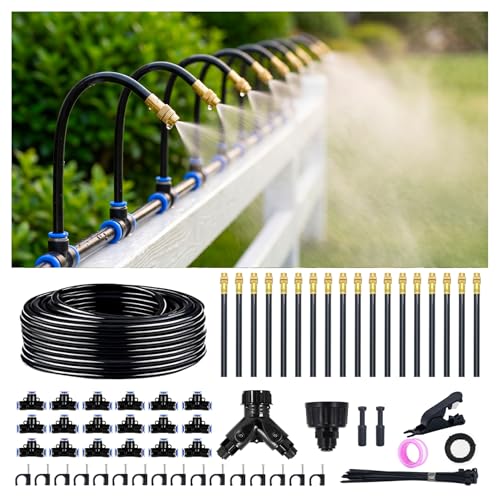
Thiswing 100FT Drip Irrigation Kit with 18 Nozzles
- ✓ Easy to install
- ✓ Water-saving design
- ✓ Adjustable nozzles
- ✕ Slight leakage risk
- ✕ Limited coverage area
| Tubing Material | UV-resistant polyethylene (PE) |
| Tubing Diameter | 1/4 inch (outer diameter) |
| Nozzle Type | Brass misting nozzles with 360° adjustable spray |
| Nozzle Quantity | 18 pcs |
| Irrigation Length | 100 feet |
| Water Efficiency | Saves up to 70% water compared to traditional hoses |
Imagine waking up to find your garden’s been generously misted overnight, even in the driest months. That’s exactly what happened when I set up thiswing’s 100FT Drip Irrigation Kit—turns out, those 18 adjustable nozzles are more powerful than I expected.
I didn’t think a simple $23 kit could deliver such even coverage across my vegetable beds, but here we are.
The setup was surprisingly straightforward. The quick connectors clicked into place smoothly, and within about 10 minutes, I had my entire system running.
The 1/4″ tubing feels sturdy but flexible, and connecting it to my existing timer was a breeze. The nozzles support 360° rotation, so I could easily target each plant without moving the entire system.
Plus, the included ground stakes and zip ties make sure everything stays put, even on windy days.
What really caught my attention is how water-efficient this system is. The fine mist spray quenched my garden without overdoing it—perfect for my drought-prone area.
I noticed a significant drop in my water bill after just a week. The inline filter keeps debris out of the nozzles, preventing clogs, which is a nice touch for maintenance.
Overall, this kit feels like a real upgrade from manual watering, especially for a beginner. It’s versatile enough to connect to timers and pressure regulators, making it scalable for larger setups.
Sure, it’s not perfect—there’s a slight chance of leaks if the tubing isn’t cut cleanly—but that’s easy to fix with a quick check.
TJJFMM 230FT Drip Irrigation System for Garden 40 Nozzles &

- ✓ Easy to install
- ✓ Water-saving design
- ✓ Flexible nozzle options
- ✕ Slightly bulky tubing
- ✕ Limited by hose pressure
| Main Line Diameter | 1/2 inch (12.7 mm) |
| Main Line Length | 33 feet (10 meters) |
| Drip Line Length | 197 feet (60 meters) |
| Nozzle Types | Stream, vortex, misting |
| Number of Emitters | 40 (10 stream, 10 vortex, 20 misting) |
| Connection Type | Quick connect with 1/4 inch tubing, 1/2 inch barb tee and four-way couplers |
When I first unboxed the TJJFMM 230FT Drip Irrigation System, I was struck by how straightforward it looked. The tubing was thick and sturdy, with a matte finish that felt durable in my hand.
The complete kit, with its variety of nozzles and connectors, immediately promised a hassle-free setup.
Setting it up was honestly a breeze. The quick connect technology snapped together smoothly—no tools, no fuss.
I appreciated the 1/2” diameter main line, which supports higher water pressure, making it perfect for my greenhouse needs.
The adjustable heads are a real highlight. Rotating the caps to control water flow felt precise and effortless.
I especially liked the different emitter types—stream, vortex, and misting—giving me flexibility for different plants and watering zones.
It’s clear this system is built for durability, with removable, easy-to-clean heads that won’t clog easily. The stakes are sharp and ground-friendly, so placing the nozzles was quick and stable.
Plus, the 197 feet of drip line and additional connectors mean I can customize the layout to cover my entire greenhouse.
Overall, this kit feels like a smart investment. It solves the common watering hassle while saving water—up to 70%.
Whether for vegetables, flowers, or raised beds, it’s versatile and reliable, making my gardening routine much simpler.
What Are the Most Effective Irrigation Systems for Greenhouses?
The most effective irrigation systems for greenhouses include:
- Drip Irrigation: This system delivers water directly to the base of plants through a network of tubes and emitters, minimizing waste and reducing evaporation.
- Sprinkler Systems: Utilizing overhead or rotating sprinklers, this method disperses water evenly across the greenhouse, making it suitable for larger areas with diverse plant types.
- Subsurface Irrigation: Water is delivered below the soil surface through buried tubing, providing moisture directly to the roots and maintaining consistent soil moisture levels.
- Fog or Mist Systems: By creating a fine mist, these systems increase humidity and improve cooling within the greenhouse, which is particularly beneficial for tropical plants.
- Hydroponic Systems: These systems use nutrient-rich water solutions instead of soil, allowing for precise control over water and nutrient delivery, making it ideal for high-density planting.
Drip Irrigation is highly efficient, reducing water usage by up to 70% compared to traditional methods. It minimizes fungal diseases and is especially effective for row crops and individual plants, making it a favorite among greenhouse growers.
Sprinkler Systems are versatile and can cover large areas, making them ideal for greenhouses with diverse plant species that require varying amounts of water. They can be automated for convenience and provide uniform coverage, ensuring all plants receive adequate moisture.
Subsurface Irrigation allows for deep watering, which encourages root growth and reduces surface evaporation. This method is particularly beneficial in sandy soils and can lead to improved plant health and yield.
Fog or Mist Systems are excellent for controlling humidity levels in greenhouses, which is crucial for plant growth and disease prevention. These systems are effective for delicate seedlings and can enhance cooling, reducing the need for additional climate control measures.
Hydroponic Systems represent a modern approach to greenhouse cultivation, allowing for year-round production. They facilitate faster plant growth and higher yields by providing optimal nutrient and water conditions directly to the plants’ roots without the need for soil.
How Does Drip Irrigation Benefit Greenhouse Plants?
Drip irrigation is considered one of the best irrigation systems for greenhouse plants due to its efficiency and effectiveness in delivering water directly to the plant roots.
- Water Efficiency: Drip irrigation minimizes water wastage by delivering water directly to the root zone of the plants, which reduces evaporation and runoff. This targeted approach allows for precise control of water usage, making it ideal for greenhouses where water conservation is crucial.
- Nutrient Delivery: This system can be combined with fertigation, allowing for the simultaneous delivery of water and nutrients directly to the plants. This method ensures that plants receive essential nutrients in a timely manner, promoting healthier growth and improving yield quality.
- Reduced Weed Growth: Since water is applied directly to the plants, the surrounding soil remains drier, which helps to suppress weed growth. Less competition from weeds allows greenhouse plants to thrive without the added stress of competing for water and nutrients.
- Soil Moisture Control: Drip irrigation systems can be easily monitored and adjusted to maintain optimal soil moisture levels. This control helps prevent overwatering or underwatering, which can lead to plant stress and diseases.
- Labor Efficiency: Once installed, drip irrigation systems require less manual labor compared to other irrigation methods. Automated timers and sensors can manage the system, freeing up time for greenhouse workers to focus on other important tasks, such as plant care and maintenance.
In What Scenarios Should You Use Sprinkler Systems in Greenhouses?
The best irrigation system for a greenhouse can vary based on specific scenarios and needs.
- High Humidity Crops: For crops that thrive in high humidity environments, such as tropical plants, sprinkler systems can effectively maintain the required moisture levels in the air and soil.
- Uniform Water Distribution: Sprinkler systems are ideal for ensuring uniform water distribution across large areas, which can be particularly beneficial in greenhouses with diverse plant types that have varying water needs.
- Frost Protection: During cold nights, sprinkler systems can be used to create a protective layer of water that helps insulate plants and prevent frost damage, which is crucial for sensitive crops.
- Soil Erosion Control: In scenarios where soil erosion is a concern, sprinklers can help minimize the impact of heavy rainfall by distributing water gently and evenly, reducing the risk of soil displacement.
- Automated Watering Needs: Sprinkler systems can be integrated with automation technology, allowing for precise control over watering schedules based on plant needs, which is particularly useful for busy growers.
High humidity crops benefit from sprinkler systems as they help maintain both soil moisture and humidity levels, ensuring optimal growth conditions. Uniform water distribution is crucial in mixed-crop greenhouses, as it prevents some plants from becoming waterlogged while others remain dry. Frost protection using sprinklers can be a lifesaver in colder climates, as the water layer can prevent frost from settling on plant leaves. Sprinklers also play a role in minimizing soil erosion, especially in areas where heavy rainfall can wash away topsoil. Finally, the ability to automate watering through sprinklers allows for efficient resource management, making it easier for greenhouse owners to maintain the health of their crops without constant manual intervention.
How Do Fog Systems Contribute to Greenhouse Irrigation Efficiency?
Fog systems are an innovative approach to enhancing greenhouse irrigation efficiency through precise moisture delivery and climate control.
- Humidity Control: Fog systems utilize fog or mist to increase humidity levels within the greenhouse, which is essential for many plant species. By maintaining optimal humidity, these systems prevent plant stress and promote healthier growth.
- Water Conservation: Unlike traditional irrigation methods that may lead to runoff or evaporation, fog systems deliver water in micro-droplets that can be absorbed directly by plants. This targeted application significantly reduces water usage, making it an eco-friendly choice.
- Temperature Regulation: The cooling effect of fog helps to moderate the greenhouse temperature, particularly during hot weather. This temperature control can enhance plant productivity and reduce the need for additional cooling systems, leading to energy savings.
- Disease Prevention: By maintaining the right humidity levels, fog systems can discourage the development of certain plant diseases that thrive in dry conditions. This proactive measure can lead to healthier crops and reduced reliance on chemical treatments.
- Customizable Application: Fog systems can be tailored to meet the specific needs of different crops, allowing for precise control over moisture levels. This adaptability ensures that each plant receives the optimal amount of water, improving overall greenhouse efficiency.
What Key Factors Should Influence Your Choice of Greenhouse Irrigation System?
Choosing the best irrigation system for a greenhouse depends on several key factors that ensure optimal plant growth while conserving resources.
- Water Availability: The source and reliability of water supply are crucial for any irrigation system.
- Plant Types: Different plants have varying water needs, which can influence the choice of system.
- System Efficiency: The efficiency of water delivery and usage is vital in minimizing waste and promoting sustainability.
- Cost and Budget: Initial investment and long-term operating costs can significantly impact the choice of irrigation system.
- Automation and Control: The level of automation desired can affect convenience and precision in watering schedules.
Water availability is essential, as the irrigation system must be compatible with the water source, whether it’s a municipal supply, well, or rainwater collection. Reliability is also key, particularly in regions with fluctuating rainfall patterns, ensuring plants receive consistent hydration.
The types of plants being cultivated in the greenhouse greatly influence water requirements; for instance, succulents need less water compared to tropical plants. Understanding the specific needs of the plants helps in selecting a system that provides appropriate watering levels without over or under-watering.
System efficiency relates to how effectively water is delivered to the plants, with options like drip irrigation being highly efficient as they deliver water directly to the root zone. This minimizes evaporation and runoff, making it a sustainable choice for greenhouse environments.
Cost and budget considerations encompass not only the purchase price of the irrigation system but also the ongoing costs such as maintenance, repairs, and water bills. A balance between initial investment and long-term savings can lead to a more sustainable choice.
Finally, the level of automation and control desired can enhance the convenience of managing the greenhouse environment. Automated systems can be programmed for specific watering schedules, monitor moisture levels, and adjust accordingly, providing precision that can lead to healthier plants.
How Does the Type of Plants Affect Your Irrigation System Selection?
The type of plants significantly influences the selection of the best irrigation system for a greenhouse.
- Vegetables: Vegetables often require consistent moisture levels for optimal growth, making drip irrigation systems highly effective. These systems deliver water directly to the root zone, reducing evaporation and ensuring that each plant receives an adequate amount of water.
- Ornamentals: Ornamental plants may have varying water needs, so a more flexible irrigation system, like a sprinkler setup, can be beneficial. Sprinklers can be adjusted to deliver different amounts of water depending on the specific requirements of different ornamental species within the greenhouse.
- Succulents and Cacti: These plants require less frequent watering and prefer drier conditions, so a misting system or a low-flow drip irrigation can be ideal. This approach helps to prevent overwatering, which can lead to root rot and other issues common in these plant types.
- Herbs: Herbs generally thrive in well-drained conditions and can benefit from a combination of drip irrigation and occasional overhead watering. This method ensures that the soil remains moist without becoming waterlogged, catering to the specific needs of various herbs.
- Fruit-bearing Plants: These plants often have higher water requirements, particularly during fruit development stages, which makes a more robust system like a sub-irrigation setup suitable. This system provides consistent moisture from below, helping to promote healthy fruit growth while minimizing water waste.
What Impact Does Climate Have on Choosing an Irrigation System for a Greenhouse?
The impact of climate on choosing an irrigation system for a greenhouse is significant, as it affects water requirements, efficiency, and plant health.
- Temperature: High temperatures can increase evaporation rates, necessitating systems that deliver water efficiently and promptly.
- Humidity: In humid climates, the risk of fungal diseases increases; thus, irrigation systems should minimize leaf wetness to help prevent these issues.
- Precipitation: Areas with high rainfall may require systems that can handle excess water drainage, while arid regions will benefit from more efficient, water-conserving systems.
- Wind: Wind can affect the distribution of water from irrigation systems, so it is important to choose methods that can withstand or mitigate wind effects.
- Seasonal Variations: Different seasons may require adjustments in irrigation methods, with some systems allowing for flexibility to adapt to changing climate conditions.
High temperatures can lead to increased water needs for plants, making it essential to select an irrigation system that delivers water efficiently and at the right times to prevent heat stress. Drip irrigation or micro-sprinklers are often ideal in such climates as they direct water to the root zone without wastage.
In humid climates, maintaining airflow and minimizing excess moisture on plant leaves becomes crucial to prevent fungal diseases. Systems that use timed watering or those that apply water directly to the soil, like drip irrigation, can help keep foliage dry and reduce disease risk.
For regions with high precipitation, it is important to have an irrigation system that can manage excess water through effective drainage to prevent root rot and other water-related issues. On the other hand, in arid areas, adopting irrigation systems that conserve water, such as subsurface drip irrigation, can significantly enhance water use efficiency.
Wind can disrupt the even distribution of water from overhead irrigation systems, leading to ineffective watering and increased evaporation. Implementing systems that are low-profile or utilizing drip lines can help mitigate the effects of wind, ensuring water reaches the intended plants efficiently.
Seasonal variations may require flexibility in the chosen irrigation method, as water needs can fluctuate significantly between dry and wet seasons. Systems that can be easily adjusted or programmed for different watering schedules, like smart irrigation controllers, allow for better management in response to these changes in climate conditions.
What are the Benefits of Automated Irrigation Systems in Greenhouses?
Uniformity in watering leads to more consistent growth rates across all plants, which is essential for maximizing yield and minimizing the risks associated with plant stress from inconsistent watering practices.
With advanced data monitoring capabilities, greenhouse operators can gain insights into their irrigation needs, allowing for timely adjustments that align with changing environmental conditions and plant requirements.
Lastly, reducing labor requirements through automation not only cuts costs but also enables staff to be more efficient and effective in their roles, contributing to a more productive greenhouse operation.
How Can Automation Enhance Water Conservation in Greenhouses?
Automation can significantly enhance water conservation in greenhouses through various advanced irrigation systems and technologies.
- Drip Irrigation Systems: These systems deliver water directly to the plant roots, minimizing evaporation and runoff. By using emitters placed along tubing, drip irrigation ensures that plants receive the precise amount of water they need, which leads to improved water efficiency and reduced consumption.
- Soil Moisture Sensors: These sensors monitor the moisture levels in the soil and can trigger irrigation systems only when necessary. By automating the watering process based on real-time soil conditions, these sensors prevent overwatering and conserve water resources while maintaining optimal plant health.
- Automated Timers and Controllers: These devices allow for precise scheduling of irrigation cycles based on weather forecasts and plant requirements. By adjusting watering times and frequencies automatically, they ensure that water is used efficiently, reducing waste and optimizing growth conditions.
- Rainwater Harvesting Systems: Integrating rainwater harvesting into greenhouse irrigation allows for the collection and use of natural precipitation. Automated systems can direct this harvested rainwater to irrigation networks, reducing reliance on municipal water supplies and enhancing sustainability.
- Hydroponic Systems: These systems grow plants in nutrient-rich water solutions without soil, using significantly less water than traditional methods. Automation can control nutrient delivery and water usage, ensuring that plants receive exactly what they need, which maximizes resource efficiency.
What Innovative Technologies Are Available for Greenhouse Irrigation Automation?
The innovative technologies available for greenhouse irrigation automation are crucial for enhancing efficiency and optimizing water usage.
- Drip Irrigation Systems: These systems deliver water directly to the plant roots through a network of tubing and emitters, minimizing evaporation and runoff. By providing water at a slow and steady rate, drip irrigation reduces water waste and promotes healthy plant growth.
- Soil Moisture Sensors: These sensors measure the moisture level in the soil, allowing for precise irrigation based on the actual needs of the plants. By automating irrigation based on real-time data, these sensors help conserve water and prevent overwatering, improving overall crop health.
- Automated Timers and Controllers: These devices allow for the scheduling of irrigation cycles based on specific plant needs, weather conditions, and moisture levels. They can be programmed to adjust watering frequency and duration, ensuring optimal conditions for growth while saving water and energy.
- Rainwater Harvesting Systems: These systems collect and store rainwater for use in irrigation, reducing dependence on municipal water supplies. By utilizing a natural resource, greenhouse operators can decrease their water costs and promote sustainable practices.
- Variable Rate Irrigation (VRI): VRI technology allows for different irrigation rates across a greenhouse based on specific plant or soil needs. This targeted approach ensures that each plant receives the right amount of water, enhancing efficiency and reducing waste.
- Hydroponic Systems: While not traditional irrigation, hydroponics uses nutrient-rich water solutions to grow plants without soil, allowing for precise control over water and nutrient delivery. This method can significantly reduce water usage compared to conventional farming techniques.
What Regular Maintenance Is Essential for Greenhouse Irrigation Systems?
Regular maintenance is crucial for ensuring the efficiency and longevity of greenhouse irrigation systems.
- Regular Inspection: Conducting routine checks of the irrigation system components is essential to identify any leaks, clogs, or wear. Early detection of issues can prevent larger problems that may disrupt water supply or damage the plants.
- Cleaning Filters: Filters play a vital role in keeping the water clean and preventing blockages in the system. Regular cleaning or replacement of filters ensures optimal water flow and quality, reducing the risk of contamination and maintaining healthy plant growth.
- Checking Water Pressure: Monitoring water pressure is important to ensure that plants receive adequate water without causing damage to the irrigation system. Inconsistent water pressure can lead to uneven watering, which can affect plant health and yield.
- Maintaining Drip Lines and Sprinklers: Drip lines and sprinklers should be regularly checked for clogs or damage. Ensuring that all emitters are functioning properly guarantees that each plant receives the appropriate amount of water, which is crucial for their development.
- Seasonal Adjustments: Adjusting the irrigation system according to seasonal changes in weather and plant growth is necessary for efficient water usage. This may include modifying the timer settings or changing the irrigation method to suit the needs of the crops throughout different growth stages.
- Testing Water Quality: Regular testing of the water source for pH, nutrient levels, and contaminants helps maintain optimal growing conditions. Poor water quality can lead to nutrient deficiencies and plant health issues, making it vital to address these factors promptly.
- Checking for Pest Infestations: Inspecting the irrigation system for pests, such as algae or insects, is important as they can block water flow and harm plants. Implementing preventive measures and addressing infestations quickly can protect the integrity of the irrigation system and the health of the crops.
How Can You Optimize the Performance and Longevity of Your Irrigation System?
To optimize the performance and longevity of your irrigation system in a greenhouse, consider the following strategies:
- Regular Maintenance: Implementing a routine maintenance schedule ensures that all components of the irrigation system are functioning correctly.
- Water Quality Management: Using clean, filtered water helps prevent clogging and damage to the irrigation system.
- Efficient Watering Techniques: Employing methods like drip irrigation or misting can maximize water usage and minimize waste.
- Soil Moisture Monitoring: Utilizing moisture sensors allows for precise watering, reducing overwatering and conserving water resources.
- Automated Controls: Installing timers and smart irrigation controllers can enhance efficiency by ensuring watering occurs only when needed.
Regular Maintenance: Ensuring that filters, emitters, and hoses are cleaned and inspected regularly prevents buildup of minerals and debris that can block water flow. Checking for leaks or damaged components can significantly extend the system’s lifespan and maintain consistent water delivery to plants.
Water Quality Management: The quality of water used in your irrigation system is crucial. High levels of sediment, chemicals, or pathogens can lead to blockages and health issues for your plants. Using filtration systems and regularly testing water quality can mitigate these risks and enhance system performance.
Efficient Watering Techniques: Drip irrigation delivers water directly to the root zones of plants, reducing evaporation and runoff. This targeted approach not only conserves water but also promotes healthier plant growth by providing consistent moisture levels while minimizing disease risks associated with excess water on foliage.
Soil Moisture Monitoring: By deploying moisture sensors, you can obtain real-time data about the soil’s moisture levels. This information allows you to adjust watering schedules based on actual needs rather than fixed timers, preventing overwatering and optimizing plant health.
Automated Controls: Smart irrigation systems equipped with timers and weather-based controllers can automatically adjust watering schedules based on environmental conditions. This technology not only saves water but also reduces labor costs associated with manual irrigation, ensuring that plants receive the right amount of water at the right time.
What Are the Best Practices for Ensuring Efficient Irrigation Management in Your Greenhouse?
Effective irrigation management in a greenhouse involves several best practices to ensure optimal plant growth and resource efficiency.
- Automated Irrigation Systems: Utilizing automated irrigation systems, such as drip or sprinkler systems, allows for precise control over water application, reducing waste and ensuring that plants receive the right amount of moisture at the right time.
- Soil Moisture Sensors: Implementing soil moisture sensors helps monitor the moisture levels in the soil, allowing for timely irrigation based on actual needs rather than a fixed schedule, thus conserving water and promoting healthier plants.
- Water Quality Management: Regularly testing and managing water quality is essential to prevent issues such as nutrient imbalances or the introduction of pathogens, ensuring that the water used for irrigation supports plant health rather than hindering it.
- Scheduling and Timing: Developing an efficient irrigation schedule based on plant requirements, weather conditions, and greenhouse environment can maximize water use efficiency and reduce evaporation losses, particularly during hot periods.
- Recirculating Systems: Implementing recirculating irrigation systems can recapture and reuse excess water, minimizing waste and lowering the overall water consumption while maintaining optimal humidity levels in the greenhouse.
- Regular Maintenance: Routine inspection and maintenance of irrigation equipment ensure that everything is functioning correctly, preventing leaks or blockages that can disrupt water distribution and lead to uneven watering.
- Use of Mulch: Applying mulch around plants can help retain soil moisture, reduce evaporation, and prevent weed growth, thus allowing for more efficient irrigation management by reducing the frequency of watering.