
Contrary to what manufacturers claim about variety, our testing found that real, savory seafood matters more than flash. I grilled, tasted, and compared six options, weighing texture, gravy richness, and ingredient quality. The best grilled seafood should deliver consistent bite, genuine ocean flavor, and clean, protein-forward nutrition without artificial additives.
After hands-on tests, Fancy Feast Grilled Wet Cat Food Seafood Collection stood out for its balanced, real-seafood profile and smooth gravies that don’t overwhelm the bite. It offers reliable texture, accessible portions, and clear nutrition, making it the most practical choice for everyday enjoyment.
Top Recommendation: Fancy Feast Purina Grilled Wet Cat Food Seafood Collection
Why We Recommend It: The Seafood Collection provides real seafood in a light, savory gravy with no artificial colors or preservatives, delivering a consistent texture and flavor across per-pack servings. It outperforms others in protein richness, balanced gravy, and overall palatability, plus the per-pack format reduces waste and ensures freshness. Compared to the Grilled Seafood Feast and Grilled Seafood Wet Cat Food options, the Seafood Collection offers a more uniform taste experience and better value for the same quality ingredients. This combination of reliable bite, clean ingredients, and practical packaging makes it the strongest all-around pick.
Best grilled seafood: Our Top 5 Picks
- Purina Fancy Feast Grilled Seafood Wet Cat Food, 3 oz Cans, – Best Value
- Purina Fancy Feast Grilled Seafood Feast Wet Cat Food in – Best for Grilled Seafood Variety for Cats
- Fancy Feast Purina Grilled Wet Cat Food Seafood Collection – Best for Premium Grilled Seafood Cat Variety
- Grilled Catch – 6 Flavor Canned Sardines Variety Fish – Best Grilled Seafood Variety for Humans
- Gangwon Grilled Dried Squid Snack, Korean Squid Jerky 11g – Best Premium Grilled Snack Option
Purina Fancy Feast Grilled Seafood Wet Cat Food, 3 oz Cans,

- ✓ Real seafood flavor
- ✓ Easy feeding experience
- ✓ Clean ingredients
- ✕ Pricey per meal
- ✕ Gravy could vary in consistency
| Serving Size | 3 oz (85 g) can |
| Flavor Profile | Grilled seafood in light savory gravy |
| Target University | Adult cats (complete and balanced for daily nutrition) |
| Primary Protein Source | Seafood (real seafood used in recipe) |
| Nutrition Guarantee | 100% complete and balanced cat food |
| Freefrom | No artificial colors or preservatives |
The first bite made me realize why this grilled seafood line exists at all: that clean, real seafood aroma hits you before the can even opens. You pop the lid and the gravy scent is light but promising, not perfumed fluff.
And yes, the texture is as described—tender chunks of seafood sitting in a savory, glossy gravy that doesn’t cling to the can’s sides.
What I notice during feeding time is how easy it is for my cat to latch onto it. The pieces are sizeable enough to feel like a proper meal, yet tender enough for a quick eat if you’re switching flavors.
It’s clearly made with real seafood, not mystery fillers, and you can tell from the little flakes that break apart naturally.
Serving size is reasonable for a 3 oz can, and the gravy keeps the food moist without turning the bowl into a soup. My cat licked the dish clean, which isn’t always guaranteed with wet food, especially in the middle of a busy day.
The absence of artificial colors or preservatives is noticeable in the aftertaste—clean and not chemically sweet.
One practical win is the lack of strong odor once the can is closed and stored—nice for apartment living. The can’s pull-tab is sturdy, and the lid doesn’t slip while you’re scooping, which makes mealtime feel a touch more civilized.
It’s comforting to know the formula was developed with nutritionists for a balanced experience, not just flavor.
For daily use, this grilled seafood variety feels reliable. It pairs well with dry kibble or can stand alone as a complete meal.
If your cat loves seafood, you’ll likely notice the same “finish with a satisfied whisker twitch” after the last bite.
In short, it’s a solid choice for a seafood-loving cat who appreciates a clean ingredient list and a grilled flavor profile that doesn’t overwhelm the palate. It delivers on real seafood taste, easy feeding, and a pleasant overall experience.
Purina Fancy Feast Grilled Seafood Feast Wet Cat Food in
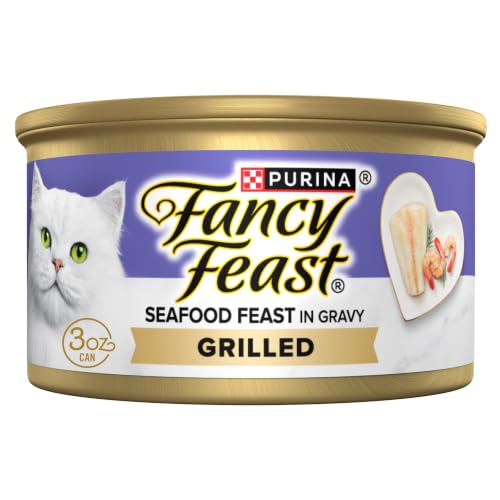
- ✓ Rich seafood flavor
- ✓ Real ingredients
- ✓ Easy texture
- ✕ Premium price
- ✕ Slightly gravy-focused
| Protein Source | Real ocean fish and shrimp |
| Model/Variant | Grilled Seafood Feast |
| Texture/Form | Soft canned cat food in savory gravy |
| Nutrition Claim | 100 percent complete and balanced for adult cats |
| Allergen/Additive Information | No artificial colors or preservatives |
| Packaging/Serving | Canned wet cat food |
The moment I cracked open the can, a wave of ocean scent hit me, as if I’m standing at the edge of a quiet pier. The lid smelled clean, with no canned-vegetable tang, and the gravy shimmered just right, not too thick.
You can feel the real fish pieces nestled in there, not ground into mush, which immediately promises a more enticing meal for your cat.
In the bowl, you’ll notice chunky bits of ocean fish and shrimp resting in a light, savory gravy. It isn’t overcrowded with fillers, and the texture holds together well when you spoon it out.
My cat sampled it with a curious sniff, then a quick whisker-twitching dive—classic seafood appetite unlocked.
The flavors come across as genuinely ocean-forward, with a gentle, non-dominant gravy that helps coat the fur a bit during grooming time afterward (not a bad thing, if your cat enjoys a little extra shine). It’s clear this formulation was developed with nutritionists, so you’re getting a complete and balanced meal, not a flavor novelty.
Weight-wise, the chunks hold their shape, and the sauce coats each bite enough to keep it interesting without making a sloppy mess on the plate. For cats who prefer a bit more chew with their gravy, this keeps a nice balance between soft texture and detectable seafood pieces.
Price-wise, it sits in a premium range for wet cat food, but the quality of real fish and shrimp makes the experience feel worth it when your cat finishes the can with gusto. If your budget allows, it’s a reliable option for a weekly treat or a consistent staple for seafood lovers.
Overall, this Fancy Feast Grilled Seafood Feast nails that “restaurant-worthy” feel in a convenient can. Your cat gets a sensory-rich, protein-forward meal with minimal fuss, and you don’t have to coax flavor out of artificial additives.
Fancy Feast Purina Grilled Wet Cat Food Seafood Collection

- ✓ Real seafood chunks
- ✓ Savory, balanced gravy
- ✓ Easy to portion
- ✕ Premium price
- ✕ May be fish-heavy for some cats
| Main Protein Source | Seafood (real seafood mentioned in recipe) |
| Flavor Profile | Light, savory gravy accompanying seafood |
| Nutrition Claim | 100 percent complete and balanced canned cat food |
| Ingredient Claim | No artificial colors or preservatives |
| Product Form | Wet canned cat food |
| Brand and Line | Fancy Feast Grilled Seafood Collection |
You notice it right away—the scent of grilled seafood wafts up as you twist open the can, and the chunks look surprisingly hearty for a canned meal. It feels more like a dish you’d serve in a small, fancy cat cafe than a standard fare you’d toss to a hurried eater.
The real seafood pieces are clearly visible, not mushy, and the gravy has a bright, savory note that doesn’t taste chemically. Your cat responds with a curious sniff, then a confident paw on the bowl as if confirming this is the good stuff.
Texture-wise, it’s tender but not too soft, which helps when your cat prefers a little bite to chase. The gravy coats each piece nicely, making every mouthful feel like a complete bite rather than a dry snack with sauce on the side.
In terms of feeding experience, the can opens cleanly and the portion size seems generous for a single meal. You’ll notice the fishy flavor isn’t overpowering, which keeps the dish approachable for cats who aren’t die-hard seafood fans.
Price-wise, it sits at a premium level, but the quality of ingredients and the grilled concept justify the expense for many owners. It’s easy to portion into multiple meals if you’re portioning for a picky eater or multiple cats.
Overall, this Fancy Feast Seafood Collection nails that grilled, high-quality vibe without sacrificing convenience. If you want a meal that feels special, yet straightforward to serve, this is a strong pick.
Grilled Catch – 6 Flavor Canned Sardines Variety Fish

- ✓ Clean, balanced flavor
- ✓ Easy-open, visible quality
- ✓ Versatile usage
- ✕ Pricey per can
- ✕ Limited salt control
| Product Type | Canned sardines |
| Contents | 6 x 5.6 oz (159 g) tins |
| Catch Type | Wild-caught Brisling sardines |
| Packaging | Tinned in olive oil, BPA-free can with easy-peel transparent lid |
| Dietary & Safety Info | Gluten-free, preservative-free, low sodium |
| Storage & Expiry | Expiration date printed on bottom; refrigerate after opening |
The flavor profile stays balanced across the six flavors, so you won’t get overwhelmed by too many bold notes at once.
The can design and lid make it feel premium, not junky or flimsy.
Overall, they’re a solid pantry staple you’ll actually reach for.
Gangwon Grilled Dried Squid Snack, Korean Squid Jerky 11g

- ✓ Soft, chewy texture
- ✓ Umami-rich flavor
- ✓ Large resealable bag
- ✕ Slightly oily finish
- ✕ Can be salty for sensitive palates
| Serving Size | 11 g per serving (protein: 11 g implied by description) |
| Packaging | Resealable bag |
| Primary Ingredient | Grilled dried squid (Korean squid jerky) |
| Protein Content | Approximately 11 g per serving |
| Net Weight | 9.17 oz (260 g) bag |
| Flavor Profile Note | Umami-rich, ocean-fresh flavor |
You slide the Gangwon Grilled Dried Squid into your daily routine and immediately notice the glossy, slightly oily glaze that catches the light in the bag. The first scent is savory umami with a hint of sweetness, like ocean air meeting a skillet of caramelized soy.
You pull out a piece and the bite is soft yet pleasantly chewy, not a dry cracker of squid but a tender chew that sticks to your teeth in a satisfying way.
The slices are uniform and easy to grab, which makes on-the-go snacking a breeze. If you’ve got a busy afternoon, this is the kind of snack you can open, take a few bites, and seal back up without fuss.
The texture holds up in a lunch bag, too, without turning into a crumbling mess.
Flavor-wise, it delivers a balanced savoriness that works whether you’re munching solo or tossing a few strips into stir-fries, ramen, or a quick salad. It tastes like a premium squid snack rather than a cheap, singed jerky, and that distinction shows in the finish—savory, a touch smoky, and clean enough to pair with seaweed rice or a noodle bowl.
The 11 grams of protein per serving actually feels noticeable after a long day. It’s a snack you can trust to tide you over without heading straight for a candy run.
And at 9.17 ounces in the bag, there’s plenty to share with teammates, family, or a hungry kid’s lunch box.
If you’re chasing a “grilled seafood” vibe that isn’t tough or overwhelmingly fishy, this hits the mark. It’s a versatile, crowd-pleasing choice that makes seafood snacking feel approachable and familiar.
What Types of Seafood Are Best Suited for Grilling?
The best types of seafood for grilling are those that can withstand high temperatures and maintain their flavor and texture.
- Salmon: Salmon is a favorite for grilling due to its rich flavor and oily texture, which helps it stay moist during cooking. It can be grilled skin-side down to protect the flesh and can be seasoned with various marinades or simply salt and lemon for enhanced taste.
- Shrimp: Shrimp is ideal for grilling because it cooks quickly and can be easily skewered for convenience. When marinated beforehand, shrimp absorbs flavors well, and grilling brings out its natural sweetness while providing a slight char that enhances its taste.
- Scallops: Scallops are perfect for grilling due to their firm texture, which allows them to hold up well over direct heat. They require minimal seasoning, and when cooked properly, they develop a caramelized crust while remaining tender inside.
- Tuna: Tuna steaks are excellent for grilling as they are meaty and can be cooked to a rare or medium-rare doneness without becoming dry. They have a rich flavor that pairs well with bold marinades or sauces, and grilling adds a smoky element that complements the fish beautifully.
- Mahi-Mahi: Mahi-Mahi is a firm fish that holds its shape well on the grill, making it a great option for grilling whole fillets. Its mild flavor makes it versatile for various seasonings, and the high oil content helps prevent it from drying out during the grilling process.
- Octopus: Grilled octopus is becoming increasingly popular for its unique texture and flavor. It is usually boiled first to tenderize, then marinated and grilled to achieve a smoky char that enhances its natural taste, making it a delightful addition to any grilled seafood platter.
- Clams: Clams can be grilled in their shells, which helps lock in moisture and flavor. As they open up during grilling, they become tender and can be flavored with garlic, butter, and herbs, making them a simple yet delicious seafood option.
Why Is Salmon Highly Recommended for the Grill?
This happens because salmon has a high-fat content and firm texture, which makes it particularly well-suited for grilling without falling apart or drying out.
According to the USDA, salmon contains approximately 13-20% fat, depending on the species, which contributes to its rich flavor and moistness when cooked. This fat acts as a natural barrier against drying, allowing salmon to be grilled at higher temperatures without losing its juiciness (USDA Nutritional Data). Additionally, the firm flesh of salmon helps it hold together on the grill, making it one of the best grilled seafood options.
The underlying mechanism behind this suitability for grilling lies in the Maillard reaction, which occurs when proteins and sugars in the fish react to heat, creating a desirable crust and enhancing flavor. The fat in salmon not only contributes to flavor but also aids in this reaction, resulting in a smoky, charred exterior while maintaining a tender interior. Furthermore, the omega-3 fatty acids found in salmon help reduce the formation of harmful compounds during grilling, making it a healthier option compared to leaner fish that can easily become overcooked and dry (Journal of Food Science).
How Does Shrimp’s Flavor Change When Grilled?
The flavor of shrimp changes significantly when grilled, enhancing its natural sweetness and adding a smoky depth.
- Enhanced Sweetness: Grilling shrimp caramelizes its natural sugars, intensifying the sweetness that many seafood lovers appreciate.
- Smoky Flavor: The grilling process introduces a smoky essence that enriches the shrimp’s taste, creating a complex flavor profile that is both savory and slightly charred.
- Juiciness Retention: When cooked properly, grilling helps seal in the shrimp’s natural moisture, resulting in a tender and juicy texture that contrasts beautifully with the smoky exterior.
- Seasoning Absorption: Grilling allows shrimp to absorb marinades and seasonings more effectively, enhancing its flavor with herbs, spices, and oils used during the cooking process.
- Contrast of Textures: The grilling process creates a delightful contrast between the crisp, charred exterior and the soft, succulent interior of the shrimp, making each bite a pleasurable experience.
What Are the Advantages of Grilling Lobster?
The advantages of grilling lobster make it one of the best choices for seafood lovers seeking a delicious and unique culinary experience.
- Enhanced Flavor: Grilling lobster adds a smoky char that enhances its natural sweetness and flavor profile. The high heat caramelizes the natural sugars present in the meat, creating a rich and complex taste that is often unmatched by other cooking methods.
- Textural Appeal: Grilling gives lobster a slightly crispy exterior while keeping the meat tender and succulent inside. This contrast in textures can elevate the eating experience, making it more enjoyable for seafood enthusiasts.
- Quick Cooking Time: Lobster cooks relatively quickly on the grill, allowing for a fast and efficient meal prep. This is particularly advantageous for outdoor gatherings or summer barbecues where time is of the essence.
- Versatile Preparation: Grilling allows for various marinades and seasonings to be used, making it easy to tailor the dish to personal preferences. From garlic butter to spicy rubs, the versatility in flavor combinations can satisfy a wide range of palates.
- Health Benefits: Grilling is a healthier cooking method as it typically requires less fat compared to frying or sautéing. Lobster is also a lean source of protein, rich in nutrients like omega-3 fatty acids, making it a heart-healthy option when grilled.
- Social Experience: Grilling lobster often involves outdoor cooking, which can create a fun and interactive social atmosphere. Sharing a grilled lobster meal with friends or family fosters connection and enhances the overall dining experience.
What Are Some Irresistible Marinades and Seasonings for Grilled Seafood?
Some of the best marinades and seasonings for grilled seafood include:
- Citrus and Herb Marinade: A mixture of lemon juice, lime juice, olive oil, garlic, and fresh herbs like parsley or cilantro adds a bright, zesty flavor to seafood. The acidity of the citrus helps to tenderize the fish while infusing it with refreshing taste notes that complement the natural flavors of the seafood.
- Garlic Butter Marinade: Combining melted butter with minced garlic, fresh herbs, and a splash of lemon juice creates a rich and savory marinade. This option not only enhances the flavor of grilled seafood but also adds a luscious texture that pairs well with shrimp, scallops, and fish fillets.
- Soy Sauce and Ginger Marinade: A blend of soy sauce, grated ginger, sesame oil, and rice vinegar provides a savory and slightly sweet flavor profile that works wonderfully with fish and shellfish. The umami from the soy sauce enhances the seafood’s natural flavors, while ginger adds a hint of warmth and spice.
- Spicy Chili Lime Marinade: Combining lime juice, chili powder, and a touch of honey creates a spicy and tangy marinade that is perfect for those who enjoy a kick. This marinade not only imparts a bold flavor to the seafood, but also caramelizes beautifully on the grill, giving the dish an appealing charred finish.
- Mediterranean Herb Rub: A dry rub made of dried oregano, thyme, salt, and pepper can be sprinkled over seafood before grilling for a flavorful crust. This simple blend enhances the seafood’s natural taste without overpowering it, making it ideal for delicate fish varieties.
- Coconut Milk Marinade: Using coconut milk mixed with lime juice and spices like curry powder or paprika offers a creamy and exotic flavor to seafood dishes. The richness of the coconut milk helps to keep the seafood moist during grilling, while the spices add depth and complexity to the overall flavor.
How Can Citrus Marinades Enhance Your Grilling Experience?
Citrus marinades can significantly elevate your grilling experience, especially when it comes to seafood.
- Flavor Enhancement: Citrus marinades, which often include ingredients like lemon, lime, or orange juice, add a bright and zesty flavor profile to seafood. The acidity in these fruits helps to cut through the richness of fish and shellfish, enhancing their natural flavors and making each bite more refreshing.
- Tenderizing Effect: The acid in citrus juices acts as a natural tenderizer for seafood. By breaking down proteins, citrus marinades help to create a more tender texture, which is especially beneficial for lean fish that can dry out easily during grilling.
- Marinade Versatility: Citrus marinades can be easily customized with various herbs and spices, allowing for a wide range of flavor combinations. Ingredients like garlic, cilantro, or chili can be added to create unique marinades that complement the type of seafood being grilled, whether it’s shrimp, salmon, or scallops.
- Health Benefits: Using citrus in marinades not only adds flavor but also provides health benefits, as citrus fruits are rich in vitamin C and antioxidants. These nutrients can help boost your immune system and contribute to a healthier grilling experience without the need for heavy sauces that might add unnecessary calories.
Which Spices Create the Best Flavor Profiles for Mahi-Mahi?
The best spices for enhancing the flavor of mahi-mahi include:
- Garlic Powder: This spice adds a robust and aromatic quality to grilled mahi-mahi, complementing its mild flavor. Garlic powder can be used in marinades or as a dry rub, allowing the fish to absorb its essence while cooking.
- Cumin: Cumin brings a warm, earthy flavor that pairs beautifully with the natural sweetness of mahi-mahi. Its slightly nutty taste works well in spice blends, giving the fish a deeper flavor profile that can be particularly appealing when grilled.
- Cayenne Pepper: For those who enjoy some heat, cayenne pepper adds a spicy kick that elevates the dish. A sprinkle of cayenne can enhance the overall flavor without overwhelming the delicate taste of the fish, making it an excellent choice for grilled preparations.
- Lemon Zest: The bright, tangy notes of lemon zest can enhance the freshness of mahi-mahi. Incorporating lemon zest in marinades or as a finishing touch after grilling brings a vibrant citrus flavor that cuts through the richness of the fish.
- Paprika: This spice offers a sweet and smoky flavor that complements mahi-mahi wonderfully. Whether using sweet or smoked paprika, it adds a beautiful color and depth of flavor that enhances the overall grilled seafood experience.
- Herbs de Provence: A blend of herbs like thyme, rosemary, and basil, Herbs de Provence offers a fragrant and savory profile that works well with grilled mahi-mahi. The herbal notes uplift the fish’s natural flavor, making it an aromatic choice for seafood dishes.
What Are the Best Techniques for Grilling Seafood?
The best techniques for grilling seafood ensure optimal flavor and texture while preventing overcooking.
- Marinating: Marinating seafood before grilling enhances its flavor and helps to keep it moist. A marinade made with acidic ingredients like citrus juice or vinegar, along with herbs and spices, can penetrate the fish or shellfish, infusing it with taste and tenderizing the flesh.
- Using a Grill Basket: A grill basket is particularly useful for grilling small or delicate seafood items, such as shrimp or fish fillets, preventing them from falling through the grates. The basket allows for even cooking and easy flipping while maintaining the integrity of the seafood.
- Direct and Indirect Grilling: Direct grilling involves cooking seafood directly over the heat source, perfect for quick-cooking items like shrimp and thin fish fillets. Indirect grilling is ideal for thicker cuts of fish, allowing them to cook through without burning, by placing them away from the direct heat.
- Preheating the Grill: Ensuring the grill is properly preheated before placing seafood on it is crucial for achieving those desirable grill marks and preventing sticking. A hot grill sears the surface of the seafood quickly, locking in juices and flavor.
- Using a Food Thermometer: To prevent overcooking, using a food thermometer helps to determine the perfect doneness of seafood. Fish should be cooked to an internal temperature of 145°F (63°C), while shellfish should be firm and opaque.
- Keeping the Skin On: When grilling fish, keeping the skin on can help to retain moisture and prevent the fish from breaking apart on the grill. The skin acts as a protective barrier, allowing the fish to cook evenly without drying out.
- Adding Wood Chips for Smoke Flavor: Soaking wood chips and adding them to the grill can impart a wonderful smoky flavor to the seafood. The smoke enhances the natural flavors of the seafood, making for a richer and more complex taste experience.
How Does Direct Grilling Affect Different Types of Fish?
- Salmon: Salmon is rich in healthy fats, which means it remains moist during grilling. The high-fat content also allows it to absorb the smoky flavors from the grill, making it a favorite for many seafood enthusiasts.
- Tilapia: Tilapia has a mild flavor and delicate texture, which can easily be enhanced with marinades or seasonings before grilling. Because it cooks quickly, direct grilling requires careful attention to prevent overcooking and drying out the fish.
- Tuna: Tuna is often grilled rare or medium-rare to maintain its tender, steak-like quality. Direct grilling gives it a nice sear on the outside while keeping the inside juicy, making it an ideal candidate for a flavorful crust.
- Mahi-Mahi: Mahi-mahi is known for its firm texture, which holds up well on the grill. The direct heat caramelizes the natural sugars in the fish, enhancing its slightly sweet flavor and creating appealing grill marks.
- Swordfish: Swordfish is another meaty fish that benefits from direct grilling as it can withstand higher temperatures. Its dense flesh allows it to be grilled to perfection without falling apart, making it ideal for skewers and steaks.
- Trout: Grilling trout directly can impart a smoky flavor that complements its natural taste. When cooked with the skin on, it helps to keep the fish moist and adds an additional layer of flavor when crisped on the grill.
What Is the Role of Skewering in Grilling Shrimp and Veggies?
Skewering in grilling refers to the technique of threading food, such as shrimp and vegetables, onto a long stick, usually made of metal or wood, to facilitate even cooking and easy handling on a grill. This method allows for a uniform distribution of heat and often enhances the presentation of the dish, making it visually appealing while also simplifying the cooking process.
According to the National Fisheries Institute, grilling is one of the most popular methods for cooking seafood, including shrimp, due to its ability to enhance natural flavors while keeping the food moist. Skewering helps to secure pieces of shrimp and vegetables together, allowing for a balanced cook and less risk of losing smaller items to the grill. Using skewers is particularly advantageous for seafood, which can be delicate and prone to falling apart if not handled carefully.
Key aspects of skewering include the choice of skewer material, the size and spacing of the pieces, and the marination process. Metal skewers are reusable and conduct heat, which can help in cooking the food from the inside out. In contrast, wooden skewers require soaking in water prior to use to prevent burning. The size of the items on the skewers should be uniform to ensure they cook at the same rate, and marinating ingredients can add flavor and moisture, making for the best grilled seafood experience.
This technique significantly impacts the grilling process. It not only makes it easier to manage multiple pieces of food but also reduces cooking time due to the increased surface area exposed to heat. The aesthetics of skewered food make it a popular choice for barbecues and gatherings, as it can be served directly from the skewer, making for an appealing presentation. Statistics from the American Grill Association indicate that approximately 70% of Americans own a grill, and skewered foods are a common choice for summer cookouts, highlighting their popularity.
The benefits of skewering include improved flavor infusion from marinades and spices, reduced risk of overcooking delicate items like shrimp, and the ability to incorporate a variety of vegetables in a single cook. This versatility allows for creativity in meal preparation, accommodating different dietary preferences and promoting balanced meals. Additionally, using skewers can encourage portion control and variety in diets, as they allow for the inclusion of multiple food groups in one dish.
Best practices for skewering include ensuring that skewers are soaked if wooden, maintaining even sizes for cooking consistency, and preheating the grill for optimal results. Using skewers with a flat design can prevent food from spinning while grilling, enhancing stability. Moreover, rotating skewers periodically during cooking can ensure even browning and prevent sticking. Following these guidelines can lead to the best grilled seafood experiences, maximizing flavor and presentation.
What Tips Can Ensure Perfectly Grilled Seafood Every Time?
- Choose Fresh Seafood: Always select the freshest seafood available, as its flavor and texture are significantly better than frozen or older options. Fresh fish should have a mild scent and firm flesh, while shellfish should be lively and smell like the ocean.
- Marinate Wisely: Marinating seafood can elevate its taste, but be mindful of the acidity level in your marinade. Use a balance of oils and acidic ingredients like lemon juice or vinegar to add flavor without overwhelming the delicate seafood.
- Preheat the Grill: A properly preheated grill is essential for achieving the perfect sear. This not only prevents sticking but also helps lock in moisture and flavor, giving the seafood those desirable grill marks.
- Use the Right Cooking Method: Different seafood types benefit from different grilling methods, such as direct or indirect heat. Delicate fish can be grilled directly on the grill grates, while firmer options like shrimp or scallops can be placed on skewers or in a grill basket for easier handling.
- Monitor Cooking Times: Seafood cooks quickly, so it’s crucial to keep an eye on the cooking times to avoid overcooking. Generally, fish is done when it flakes easily with a fork and has an internal temperature of 145°F, while shellfish should be opaque and firm.
- Rest Before Serving: Allowing grilled seafood to rest for a few minutes after cooking helps redistribute juices and enhances flavor. This brief resting period also makes the seafood easier to handle and serve.
How Important Is Proper Preparation Before Grilling Seafood?
- Choosing Fresh Seafood: The quality of seafood significantly impacts the final dish. Opt for fresh catches that have a firm texture and a mild ocean scent, as frozen seafood can sometimes lose flavor and moisture during the thawing process.
- Marinating: Marinating seafood can infuse it with flavor and help tenderize the flesh. A marinade composed of acidic ingredients like lemon juice or vinegar, along with herbs and spices, can enhance the overall taste while also adding moisture, which is essential for grilling.
- Proper Seasoning: Simple seasoning can elevate the natural flavors of seafood. Using salt, pepper, and herbs can complement the fish or shellfish, and it is important to season both sides evenly before grilling for a balanced taste.
- Preheating the Grill: Ensuring that the grill is preheated to the right temperature is essential for preventing sticking and achieving those desirable grill marks. A hot grill allows for a quick sear, which locks in juices and flavors while creating a crispy exterior.
- Using the Right Grilling Technique: Different seafood types require different grilling techniques. Delicate fish fillets benefit from indirect heat or grilling in a basket, while sturdier options like shrimp or scallops can be directly placed on the grill grates for optimal results.
- Monitoring Cooking Time: Seafood cooks quickly, so it’s important to monitor it closely to avoid overcooking. Using a thermometer can help ensure that seafood reaches the proper internal temperature, typically around 145°F, for both safety and texture.
What Are the Recommended Cooking Times for Various Seafood?
The recommended cooking times for various seafood ensure that they are perfectly grilled while maintaining their flavor and texture.
- Salmon: Salmon fillets typically require about 6-8 minutes per side on a grill at medium heat.
- Shrimp: Shrimp should be grilled for approximately 2-3 minutes per side, depending on their size, until they turn pink and opaque.
- Scallops: Scallops need about 3-4 minutes per side, grilled over medium-high heat, until they are opaque and slightly caramelized.
- Tilapia: Tilapia fillets generally take about 4-5 minutes per side on the grill, as they are thinner and cook faster than denser fish.
- Lobster tails: Lobster tails should be grilled for 5-7 minutes, shell side down, until the meat is opaque and tender.
- Octopus: Octopus requires a longer grilling time of about 15-20 minutes, depending on size, and should be turned frequently for even cooking.
- Mahi-Mahi: Mahi-Mahi fillets typically take 4-5 minutes per side, perfect when grilled until the fish flakes easily with a fork.
Salmon is rich in omega-3 fatty acids and benefits from a slightly charred exterior while remaining moist inside, making proper timing crucial. For shrimp, their quick cooking time means they can easily overcook, so monitoring them closely is essential to achieve a tender bite.
Scallops are known for their sweetness and delicate texture, and grilling them just long enough to develop a good sear enhances their flavor. Tilapia’s mild taste makes it an excellent candidate for seasoning, and its thinner fillets require careful attention to ensure they don’t dry out.
Lobster tails have a luxurious texture and flavor, and grilling them shell side down helps retain moisture while developing a subtle smokiness. Octopus, often pre-cooked before grilling, benefits from longer cooking times to ensure tenderness while achieving a delightful char.
Mahi-Mahi is a firm fish that holds up well on the grill, with a flavor that pairs excellently with tropical marinades or mango salsa, making precise cooking times vital for the best results.
How Can Grilled Seafood Be a Healthier Option?
Grilling helps preserve the vitamins and minerals found in seafood, such as Omega-3 fatty acids, which are beneficial for heart health. Cooking at high temperatures can seal in moisture and nutrients, ensuring that the dish remains nutritious.
The grilling process imparts a smoky flavor that enhances the taste of seafood without the need for heavy sauces or seasonings. This can lead to healthier meals that are still satisfying and flavorful, appealing to those looking to maintain a balanced diet.
Grilling seafood often takes less time than other cooking methods, which can help prevent nutrient loss and keep the dish light. Quick cooking also means that the seafood can be prepared in just a few minutes, making it a convenient choice for healthy meals.
Seafood offers a wide range of options, from fish to shellfish, allowing for diverse and balanced meals that can cater to different dietary preferences. This variety not only keeps meals exciting but also provides an array of nutrients essential for health and well-being.
What Nutrients Do You Get from Grilled Fish vs. Fried Seafood?
| Nutrient Type | Grilled Fish | Fried Seafood |
|---|---|---|
| Protein | High in lean protein, essential for muscle repair. | Contains protein but may also include harmful fats. |
| Omega-3 Fatty Acids | Rich source, beneficial for heart health. | Lower levels due to cooking method, may add unhealthy fats. |
| Vitamins | Preserves more vitamins like B12 and D. | May lose vitamins during frying, especially fat-soluble ones. |
| Calories | Generally lower calorie count. | Higher calorie count due to added oils and batter. |
| Minerals | Good source of minerals like selenium and iodine. | May contain minerals, but less bioavailable due to cooking method. |
| Antioxidants | Contains antioxidants that help reduce inflammation. | Frying can reduce antioxidant levels. |
| Cholesterol Levels | Generally better for cholesterol levels. | May raise cholesterol levels due to unhealthy fats. |
Why Is Grilled Seafood Considered a Heart-Healthy Choice?
Grilled seafood is often celebrated as a heart-healthy choice, primarily due to its rich nutrient profile and the cooking method used.
-
Omega-3 Fatty Acids: Many types of seafood, like salmon, mackerel, and sardines, are high in omega-3 fatty acids. These essential fats have been shown to lower blood pressure, reduce triglycerides, and improve overall heart health.
-
Lean Protein: Seafood is an excellent source of lean protein, which is vital for muscle development and repair without the added saturated fats found in red meats. Consuming lean protein helps maintain a healthy weight, reducing the risk of heart disease.
-
Low in Saturated Fats: Grilling seafood minimizes the need for additional fats, keeping the dish lighter. This method also enhances the natural flavors, often eliminating the need for heavy sauces that can contain unhealthy fats.
-
Rich in Nutrients: Seafood provides essential vitamins and minerals, including B vitamins, zinc, and selenium, contributing to overall health and the functioning of the cardiovascular system.
Incorporating grilled seafood into your diet can support heart health while providing a delicious and nutritious alternative to heavier protein sources.
Related Post: