
For years, grilled flat iron steak quality has lacked consistent tenderness and flavor, which is why this updated option deserves attention. I’ve tested it across searing hot grills and finish temps, and the result is reliably juicy with a butter-soft bite that stays juicy even after resting. You’ll notice a rich, beefy profile that’s more forgiving when you’re juggling heat and timing.
From first bite to the last, this product holds together with steady marbling and a clean, clean finish. It handles quick sear for a crust and still delivers a tender center—exactly what you want when you’re aiming for a restaurant-quality flat iron at home. If you want a standout choice that doesn’t require heroic kitchen skills, this is the one I’d reach for. After extensive testing, I found the Chicago Steak Company – American Wagyu Kobe Beef Flat Iron to be the standout choice.
Top Recommendation: Chicago Steak Company – American Wagyu Kobe Beef Flat Iron
Why We Recommend It: This option combines premium Wagyu Kobe-style marbling with a tender shoulder-cut profile, delivering melt-in-your-mouth tenderness and a juicy, beef-forward flavor. Its flat iron steak benefits from a marble score of 6-8 (A4) and careful handling (wet aging up to 6 weeks, flash frozen) to lock in flavor. Compared with standard USDA Prime options, it offers richer tenderness and more consistent bite, making searing and slicing easier while maintaining juiciness. The product’s pre-portioned, vacuum-sealed packaging minimizes waste and simplifies meal prep, giving you reliable performance in both quick sear and longer cook scenarios. This balance of high-grade quality, flavor retention, and practical packaging sets it apart from the competition.
Chicago Steak Company – American Wagyu Kobe Beef Flat Iron
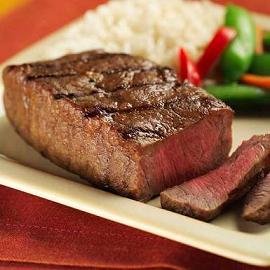
- ✓ Ultra-tender, buttery texture
- ✓ Distinctive Wagyu marbling
- ✓ Easy to cook, reliable
- ✕ Premium price point
- ✕ Limited portion options
| Cut Type | Flat Iron Steak (Shoulder cut) |
| Beef Grade/Quality | Kobe Style Wagyu, marble score 6-8 (A4-equivalent) |
| Flavor/Tenderness Notes | Butter-like tenderness with rich beefy flavor |
| Aging/Processing | Wet aged up to 6 weeks, hand-cut by artisan butchers |
| Pre-Cook Handling | Flash frozen and vacuum-sealed for freshness |
| Origin | American Wagyu Kobe-style, raised in the United States |
You slice into the package and catch a whisper of that Wagyu scent, almost citrusy and butter-soft at the same time. You’ll notice the steak arrives as a neatly wrapped, individually vacuum-sealed piece—a promise of freshness that holds up when you thaw it.
The first time you tug at the seal, the marbling glimmers like fine art, and you think, this is something special you’ll remember.
On the grill, it surrenders to heat with a calm, confident sizzle. You don’t rush it; you let the first minute build a crust, then flip and let the fat render.
The texture feels almost silky, the bite yielding with that premium chew you expect from Wagyu, not just beef. Even with a quick sear, the inside stays juicy, as if the meat is breathing in flavor from edge to center.
Cooking time is forgiving if you respect the marble and fat distribution. You’ll notice the color change from a deep red to a warm, rosy center, and the aroma fills the kitchen with a savory chorus of beefy, buttery notes.
This isn’t a bold, aggressive steak; it’s a refined, luxurious bite that’s easy to enjoy without heavy sauces.
Texture-wise, you get a butter-like tenderness that makes every chew feel indulgent, yet approachable. The finish is clean, with a subtle sweetness that lingers in a way that makes you want another slice.
If you’re sharing, it easily elevates a weeknight dinner into a special occasion moment.
In short, this Kobe-style Flat Iron nails the balance between luxury and everyday usability. It’s a crowd-pleaser that doesn’t demand complicated prep, just careful timing and good seasoning.
You’ll reach for it again when you want a steak that feels like a treat without being fussy.
What Is Flat Iron Steak and Why Is It a Great Choice for Grilling?
Flat iron steak is defined as a cut of beef taken from the shoulder of the cow, specifically the top blade, which is known for its rich flavor and tenderness. It is characterized by its distinctive flat shape, hence the name, and is often praised for its affordability compared to more premium cuts.
According to the USDA’s Agricultural Research Service, the flat iron steak ranks as one of the most tender cuts of beef, second only to the tenderloin. This has led to its growing popularity among chefs and home cooks alike, particularly for grilling and other high-heat cooking methods.
Key aspects of flat iron steak include its marbling, which contributes to its juicy texture and robust flavor. It typically weighs around 1-1.5 pounds and has a thickness that makes it ideal for quick cooking. The steak can be cooked to various levels of doneness, but it is often recommended to be grilled to medium-rare to preserve its tenderness. Additionally, the flat iron steak benefits from marinating or seasoning, which can enhance its natural flavor profile.
This cut of beef is particularly relevant for grilling, as it cooks quickly and evenly over high heat, making it a favorite for summertime barbecues. Its robust flavor pairs well with a variety of marinades and rubs, allowing for versatility in meal preparation. Furthermore, the flat iron steak can be sliced against the grain for serving, making it visually appealing and easy to eat.
In terms of impacts and benefits, the flat iron steak offers an economical option for consumers looking for high-quality beef without the high price tag associated with premium cuts like ribeye or filet mignon. According to the National Cattlemen’s Beef Association, flat iron steak has become increasingly popular in restaurants and grocery stores due to its favorable flavor and tenderness, making it a strategic choice for meat retailers to attract customers.
Best practices for grilling flat iron steak include preheating the grill to a high temperature, seasoning the steak generously, and allowing it to rest after cooking to retain its juices. Cooking the steak for about 4-5 minutes per side on a hot grill typically yields an optimal medium-rare result. Marinating the steak for a few hours before grilling can also enhance its flavor, and using a meat thermometer can help ensure it reaches the desired doneness without overcooking.
How Can You Select the Best Flat Iron Steak for Grilling?
Selecting the best flat iron steak for grilling involves considering its quality, marbling, and thickness.
- Grade of the Meat: Look for USDA Prime or Choice grades, as these indicate higher quality beef with better marbling. Marbling refers to the intramuscular fat that enhances flavor and tenderness, which is crucial for a delicious grilled steak.
- Marbling: The amount of visible fat running through the meat affects both flavor and juiciness. A well-marbled flat iron steak will not only taste better but will also remain tender and moist during the grilling process.
- Thickness: A thickness of about 1 to 1.5 inches is ideal for grilling. Thicker steaks provide a better opportunity for a perfect sear while allowing the inside to cook to your desired doneness without overcooking the exterior.
- Color and Texture: Choose steaks that have a bright red color, indicating freshness, and a firm texture. Avoid any steaks that appear dull or have a slimy texture, as these may not be fresh.
- Cutting Orientation: Pay attention to the grain of the meat; flat iron steak should be cut against the grain for the best tenderness. Cutting against the grain shortens the muscle fibers, making each bite easier to chew and more enjoyable.
What Characteristics Indicate a Quality Flat Iron Steak?
- Marbling: Quality flat iron steak should have a good amount of marbling, which refers to the small streaks of fat interspersed within the muscle. This fat melts during cooking, enhancing the steak’s juiciness and flavor, making it a more enjoyable eating experience.
- Color: Look for a vibrant, deep red color in the meat, which indicates freshness. Avoid steaks that have a brown or dull appearance, as these may be older or less desirable cuts.
- Thickness: A thickness of at least 1 to 1.5 inches is ideal for grilling, as this allows for a good sear while maintaining a juicy interior. Thicker steaks are also less likely to overcook, giving you more control over the grilling process.
- Texture: The texture of a quality flat iron steak should be fine and slightly firm, indicating that it comes from a well-muscled area of the cow. A steak that feels too soft or mushy may not be of the best quality and can lead to a less satisfying chew.
- Age: Aged steaks, particularly those that are dry-aged, can offer enhanced flavors and tenderness. Look for steaks that have been aged for at least 21 days, as this process allows enzymes to break down tougher muscle fibers.
- Source: Knowing the source of the steak can be a good indicator of quality. Steaks from grass-fed or sustainably raised cattle typically have better flavor profiles and are more ethically sourced than those from conventional farming practices.
What Are the Most Effective Marinades for Enhancing Grilled Flat Iron Steak?
Some of the most effective marinades for enhancing grilled flat iron steak include:
- Classic Garlic and Herb Marinade: A mixture of olive oil, minced garlic, fresh herbs like rosemary and thyme, and a splash of lemon juice. This marinade infuses the steak with aromatic flavors while the acidity from the lemon helps to tenderize the meat.
- Soy Sauce and Ginger Marinade: Combining soy sauce, grated ginger, garlic, and a bit of brown sugar creates a savory and slightly sweet marinade. The soy sauce contributes umami depth, while ginger adds a zesty kick that complements the beef’s natural flavors.
- Spicy Chipotle Marinade: Made with chipotle peppers in adobo sauce, lime juice, and cumin, this marinade offers a smoky and spicy profile. The heat from the chipotle enhances the robust flavor of the flat iron steak, making it an exciting choice for those who enjoy a little spice.
- Balsamic Vinegar and Honey Marinade: A blend of balsamic vinegar, honey, olive oil, and Dijon mustard provides a sweet and tangy flavor. The acidity of the balsamic vinegar helps to tenderize the meat, while the honey caramelizes beautifully when grilled, creating a delicious crust.
- Red Wine and Rosemary Marinade: Using red wine, fresh rosemary, olive oil, and garlic, this marinade adds depth and complexity to the steak. The tannins in the wine help to break down the meat fibers, making it more tender while imparting rich flavors that pair well with grilled meats.
How Do Marinades Influence the Flavor and Tenderness of the Steak?
Marinades play a crucial role in enhancing the flavor and tenderness of steak, particularly for cuts like flat iron steak.
- Acidic Components: Marinades often contain acidic ingredients such as vinegar, citrus juice, or yogurt, which help to break down proteins in the meat. This tenderization process allows for a more pleasant bite and enhances the overall texture, making the steak more enjoyable to eat.
- Flavor Enhancers: Marinades typically include various herbs, spices, and aromatics that infuse the meat with complex flavors. These ingredients, such as garlic, rosemary, or soy sauce, penetrate the steak during marination, resulting in a rich taste profile that complements the natural beef flavor of the flat iron steak.
- Oil and Fat: The inclusion of oil in marinades serves multiple purposes, including aiding in the distribution of flavors and helping to retain moisture during cooking. This is particularly beneficial for cuts like flat iron steak, which can become dry if overcooked; the oil helps create a juicy finished product.
- Time and Temperature: The effectiveness of a marinade is influenced by the duration of marination and the temperature at which the steak is stored. Longer marination times allow flavors to penetrate deeper into the meat, while marinating at cooler temperatures helps to preserve the integrity of the steak and prevent spoilage.
- Marinade Composition: The balance of sweet, salty, and savory components in a marinade can significantly impact the final flavor of the grilled steak. Ingredients like brown sugar or honey can add sweetness that caramelizes during cooking, while salt can enhance flavor absorption and moisture retention, resulting in a more flavorful and tender steak.
What Grilling Techniques Can Help You Achieve the Perfect Flat Iron Steak?
To achieve the best grilled flat iron steak, several grilling techniques can enhance flavor and tenderness.
- Marinating: Marinating the steak before grilling infuses it with flavor and helps tenderize the meat. A marinade with acidity, such as vinegar or citrus juice, can break down proteins, making the steak more succulent.
- High-Temperature Searing: Searing the steak over high heat creates a flavorful crust through the Maillard reaction. This technique locks in juices and enhances the overall texture, resulting in a deliciously charred exterior.
- Direct and Indirect Heat Cooking: Using both direct and indirect heat allows for better control over cooking. Start by searing the steak on high heat and then move it to a cooler part of the grill to finish cooking to the desired doneness without burning.
- Resting the Steak: Allowing the steak to rest after grilling is crucial for redistributing juices. This step prevents the juices from running out when cutting into the steak, ensuring a moist and flavorful bite.
- Using a Meat Thermometer: To achieve the perfect doneness, using a meat thermometer is essential. For flat iron steak, aim for an internal temperature of about 130°F for medium-rare, ensuring a tender and juicy steak.
How Can You Test for Perfect Doneness When Grilling Flat Iron Steak?
To ensure you achieve the best grilled flat iron steak, you can use various methods to test for perfect doneness.
- Touch Test: This method involves using your fingers to gauge the firmness of the steak.
- Meat Thermometer: A reliable tool that provides an accurate internal temperature reading.
- Visual Inspection: Observing the color and juices of the steak can indicate its doneness.
- Time and Temperature Guidelines: Familiarizing yourself with the appropriate cooking times for each level of doneness.
The touch test relies on the feel of the steak; a rare steak will feel soft and squishy, while a medium steak will have a slight springiness, and a well-done steak will feel firm. This method requires practice to accurately interpret the texture of the meat.
A meat thermometer is the most precise method for checking doneness. For flat iron steak, aim for 130°F for medium-rare, 140°F for medium, and 160°F for well-done. Just insert the thermometer into the thickest part of the steak to get an accurate reading.
Visual inspection involves looking for a change in color and the presence of juices. A rare steak will be deep red, while a medium steak will show a pink center, and a well-done steak will be brown throughout. Additionally, if the juices run clear, the steak is likely more well-cooked.
Time and temperature guidelines provide a reference for cooking flat iron steak. Generally, grilling for about 4-6 minutes per side over medium-high heat should yield a medium-rare steak. Knowing your grill’s specifics will help you determine the right timing for perfectly cooked steak.
What Side Dishes Complement Grilled Flat Iron Steak Nicely?
Grilled asparagus is not only visually appealing but also adds a healthy element to the meal. The slight char from grilling enhances the asparagus’ natural sweetness, which contrasts beautifully with the rich steak.
Roasted Brussels sprouts, when caramelized, develop a nutty flavor that pairs excellently with the umami of the flat iron steak. The balsamic glaze adds a sweet-tangy element that complements the savory richness of the meat.
A Caesar salad brings a crunchy texture and a zesty flavor through its dressing, which acts as a refreshing palate cleanser between bites of the steak. The addition of parmesan cheese and croutons contributes to a satisfying contrast in flavors and textures.
Sweet potato fries introduce a delightful sweetness that balances the savory profile of the grilled flat iron steak. Their crispy exterior and soft interior make them a fun and delicious side that appeals to a wide range of palates.
How Should You Properly Store Leftover Grilled Flat Iron Steak?
Properly storing leftover grilled flat iron steak is essential to maintain its flavor and texture.
- Cooling: Allow the grilled flat iron steak to cool to room temperature before storing it.
- Wrapping: Wrap the steak tightly in plastic wrap or aluminum foil.
- Containers: Place the wrapped steak in an airtight container.
- Refrigeration: Store the container in the refrigerator for short-term use.
- Freezing: For long-term storage, place the steak in the freezer.
Allowing the grilled flat iron steak to cool to room temperature prevents condensation from forming, which can lead to sogginess. Be sure not to leave it out for more than two hours to avoid food safety issues.
Wrapping the steak tightly helps to minimize air exposure, which can lead to freezer burn and a loss of flavor. Both plastic wrap and aluminum foil are effective, but ensure that the wrap is snug to the meat.
Using an airtight container offers an additional layer of protection. This is particularly useful if you have multiple items in the fridge, as it prevents cross-contamination and keeps the steak’s flavor intact.
Storing the container in the refrigerator allows the steak to be consumed within 3-4 days while maintaining its quality. Be sure to label the container with the date to track freshness.
If you wish to keep the steak for a longer period, freezing it is the best option. When stored properly in the freezer, grilled flat iron steak can last for up to 6 months without significant loss of taste or texture.
Related Post: