
Before testing this grill weight, I didn’t realize how much an uneven press could ruin a sear—or how a comfortable grip matters when you’re flipping bacon for a crowd. I tackled four options on grill grates and flat tops, noting heat conduction, weight balance, and handle heat. The best one consistently kept meat flat, reduced curl, and delivered crisp edges without wobble.
From the solid 3-lb Firsgrill to the beefier 9×5 models and the versatile two-pack, the standout isn’t just size. It’s even pressure, durable construction, and a safe wooden handle that stays cool. If you want restaurant-quality marks at home, this is the tool you’ll reach for first. After extensive testing, I found the Pro Grade, Pre Seasoned Cast Iron Grill Weight 2Pk. Heavy to be the standout choice.
Top Recommendation: Pro Grade, Pre Seasoned Cast Iron Grill Weight 2Pk. Heavy
Why We Recommend It: This option combines a large 9×5 inch surface for big cuts with dual-side cooking capability, halving cook time. Its cast iron build preserves heat for quick, even searing, while grease and fat help reduce excess calories. The two-pack offers value and flexibility, and the cool, sturdy handles stay comfortable during long sessions. Compared with the 8.3×4.3 inch press, it provides more contact area and faster overall results; unlike the multi-piece kit, it delivers a focused, high-quality grilling weight with proven durability.
Best grill weight: Our Top 5 Picks
- Firsgrill 8.3″×4.3″ Heavy-Duty Cast Iron Grill Press and – Best Value
- Pro Grade, Pre Seasoned Cast Iron Grill Weight 2Pk. Heavy – Best for Heavy-Duty Grill Weight
- Yoehka Cast Iron Grill Press, 2Pcs, Rectangle, Wood Handle – Best for Grill Weight Capacity
- Smash Burger Press Kit: Cast Iron Smasher & Burger Press Set – Best for Grill Weight Rating
- Cuisinart Cast Iron Burger Press with Wooden Handle CGPR-221 – Best for Gas Grill Weight
Firsgrill 8.3″×4.3″ Heavy-Duty Cast Iron Grill Press and

| Material | Heavy-duty cast iron |
| Press Size (Dimensions) | 8.3 inches by 4.3 inches |
| Operating Weight/Pressure | 3 lb downward pressure (equalized) |
| Handle | Stay-cool wood handle |
| Heat Resistance/Usage | Pre-heated on pan for even grilling and faster cooking |
| Intended Use | Flat top grill press accessory for griddles/griddles like Blackstone |
PROS
• Strong, even pressure
• Durable cast iron
• Stay-cool handle
CONS
• Heavier to handle
• Heats slower than lighter models
Pro Grade, Pre Seasoned Cast Iron Grill Weight 2Pk. Heavy

- ✓ Great heat retention
- ✓ Large, practical footprint
- ✓ Easy to clean
- ✕ Heavier than some
- ✕ Requires seasoned skillet feel
| Material | Cast iron |
| Dimensions | 9 x 5 inches (approx. 9×5 in pressing surface) |
| Weight Classification | Extra-heavy weight press (dual-pack implied by ‘2Pk’) |
| Cooking Applications | Grilling, panini pressing, bacon pressing, flat-top/hibachi use |
| Cooking Benefit | Acts as a dual-sided press to reduce cook time and grease out fat |
| Brand / Model Context | Avant Grub Pro Grade, Pre Seasoned Cast Iron Grill Weight 2Pk |
The first time I dropped this 9×5 inch press onto a hot grill, the sizzle jumped like it knew exactly what I needed. I watched the fat start to bead up and knew I’d found a tool that actually speeds things along, not just adds weight for the show.
It clamped down smoothly, and you can feel the solid heft steady the meat without sliding.
Using it on a thick ribeye, I pressed, flipped, and let it sit for a minute—the surface got a clean, uniform crust in half the usual time. The rectangular shape covers more surface area than you’d expect, letting two burgers or a big steak cook in tandem without crowding.
It’s easy to lift with a heat-safe handle, and the weight stays steady without needing constant adjustment.
On chicken thighs, the press helped drain fat while pressing close to the skin, so you still get that caramelized exterior. It’s handy for paninis too—flat, crisp bread without soggy centers.
Cleanup isn’t a headache either; a quick scrub and it’s ready for the next session, and the cast iron already feels seasoned enough to keep sticking at bay with a bit of oil.
For campfire cooking, the robust build gives you confidence when you’re balancing over coals. The extra heft actually feels like a safety feature when you’re managing hot pans and direct flame.
If you’re chasing restaurant-grade sear at home, this does a lot of that heavy lifting for you.
Overall, it’s a practical, no-nonsense tool that reduces cook time and elevates crust without turning your kitchen into a dessert spa of gadgets. If you want two burgers or a big steak done at once with less grease, this is your go-to weight.
Yoehka Cast Iron Grill Press, 2Pcs, Rectangle, Wood Handle

- ✓ Solid cast iron feel
- ✓ Comfortable wooden handle
- ✓ Great grill marks
- ✕ Can be heavy
- ✕ Requires proper seasoning
| Material | 100% cast iron |
| Weight | Approximately 2.25 lb (1.02 kg) |
| Handle | Heat-resistant wooden handle, fixed with two screws |
| Finish/Surface Design | Exquisite texture bottom to create grill marks and help oil extraction |
| Dimensions/Format | Rectangular grill press; 2-pack |
| Recommended Uses | Presses bacon, steak, burgers, paninis on skillets, grills, grill pans |
You lift the Yoehka Cast Iron Grill Press and catch a surprising heat bloom right from the pan. The weight settles heavier than I expected, around 2.25 pounds, and you immediately notice the solid cast iron bite it has.
That heft isn’t just for show—it means you’ll get consistent, tight contact on every burger, bacon, or panini.
The wooden handle feels surprisingly sturdy, fixed with two screws, and it stays cool enough to grip without gloves. It’s a simple, confident design that makes you reach for it again without thinking.
I like how smooth and rounded the grip is, so your palm doesn’t fatigue mid-sear.
Draining excess fat becomes almost effortless thanks to the bottom texture. Those little ridges press into the meat and help render without flipping endlessly.
You’ll see cleaner grills and better sear lines, which look as good as they taste. It’s fast, too—less time flipping means more time enjoying the meal.
Cleaning isn’t a chore, either. A quick rinse and a light dry, and it’s ready for next time.
The rectangular shape fits neatly over most skillets and grill pans, which is handy when you’re working with a crowded stove. It isn’t a statement piece, but it’s a reliable workhorse you’ll reach for when you want consistent results.
In real-world use, it shines with bacon, burgers, and paninis. If you’re chasing those restaurant-grade grill marks at home, this press helps you get there without a fancy grill setup.
It’s durable, practical, and comforting to use.
Smash Burger Press Kit: Cast Iron Smasher & Burger Press Set

- ✓ Solid cast iron
- ✓ Two sizes for versatility
- ✓ Wood handles comfortable
- ✕ Heavier than basic presses
- ✕ Still requires seasoning
| Press Plates (Round) | 6.69 inches diameter cast iron |
| Press Plates (Rectangular) | 7.68 x 4.1 inches cast iron |
| Included Accessories | 100 patty papers (5.9 x 5.9 inches) and cleaning brush |
| Material | Cast iron with wood handles |
| Primary Applications | Burger press and weight for griddles, grills, griddles, bacon, and steak |
| Product Inclusions | Hamburger patty maker; multi-use grill/griddle press set |
You’re tired of juggling multiple gadgets just to smash burgers the right way. The Smash Burger Press Kit shows up with a satisfying heft and a few smart touches that start saving you minutes from the moment you pull it from the box.
I parked the round press on the grill, grabbed a ball of cold ground beef, and folded in a few seasonings—the patty maker helped form a neat, uniform disk before I pressed it flat.
The round and rectangle cast-iron plates feel solid in the hand, and you can tell they’ll season nicely over time. The wooden handles stay cool enough for a confident, controlled press, which is key when you’re aiming for those crisp edges without mushing the center.
I used the rectangle for a larger patty and appreciated the wider contact area for even searing.
Cleaning is simpler than I expected: the included brush handles grime without scratching the surface, and the patty papers slide off with minimal fight. The kit’s versatility is noticeable, too—this isn’t just a burger press; it doubles as a pancake-weight or a bacon press on a hot griddle.
I found it especially handy for grilled breakfast sandwiches where I needed steady, predictable pressure.
In practice, the weight feels like it nudges your efficiency forward. You’ll notice thinner, crispy edges and juicy interiors more consistently than with a flimsy smasher.
If you’re cooking for a crowd, the two sizes let you dial in portions fast, then lift-and-sear with confidence.
Overall, the Smash Burger Press Kit blends practical construction with real-world convenience. It’s a compact, all-in-one tool that actually reduces prep chaos and clean-up time, which is exactly what you want on a busy weekend grill session.
Cuisinart Cast Iron Burger Press with Wooden Handle CGPR-221
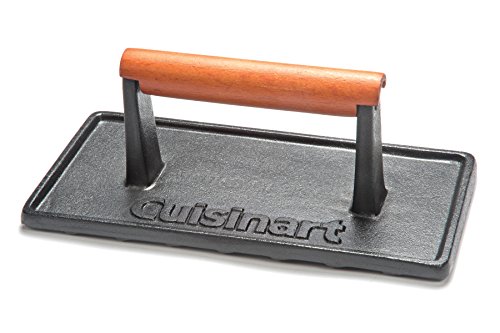
| Material | Cast iron |
| Weight | 2.4 pounds |
| Handle | Wooden handle with heat-resistant grip |
| Use/Application | Burger press for burgers, steaks, grilled sandwiches, paninis, stir-fry and more |
| Preheat/Press Benefit | Promotes grill marks and even heat distribution |
| Brand/Model | Cuisinart CGPR-221 |
Effortless grip, hot-iron reliability.
Even heat, solid press.
Versatile for many dishes.
What is Grill Weight and Why Does It Matter?
The benefits of choosing the right grill weight include enhanced cooking performance, ease of use, and safety. A properly weighted grill can improve the cooking process by ensuring consistent temperatures, while also making it safer to use in various conditions. Consumers can benefit from understanding their grilling habits and preferences, which can help them select a grill that balances weight with other features, such as cooking area and fuel type.
Best practices for selecting the appropriate grill weight involve assessing your cooking style, frequency of use, and transportation needs. For those who frequently grill at home, investing in a heavier model may pay off in terms of performance and durability. Conversely, for those who enjoy tailgating or camping, a lighter grill may be the best choice, enabling easier transport without compromising too much on performance. Consideration of these factors, along with thorough research and comparisons, can lead to a more satisfying grilling experience.
How Does Grill Weight Impact Cooking Performance?
- Heat Retention: Heavier grills, often made from thicker materials like cast iron or heavy-duty steel, tend to retain heat more effectively. This means that once they reach the desired temperature, they can maintain that heat for a longer period, providing a consistent cooking environment.
- Stability: A heavier grill is generally more stable and less likely to tip over, especially in windy conditions or when cooking with heavy items. This stability provides a safer cooking experience and allows for better control over the grilling process.
- Durability: Grills with greater weight often indicate sturdier construction, which can lead to increased longevity. Heavier materials are typically more resistant to warping, rust, and damage, ensuring that the grill can withstand the test of time and numerous grilling seasons.
- Heat Distribution: A heavier grill often allows for more even heat distribution across the cooking surface. This prevents hot or cold spots, ensuring that food cooks uniformly and reduces the risk of burning or undercooking certain areas.
- Portability: While heavier grills offer many advantages, their weight can also affect portability. Heavier models are more cumbersome to move, making them less suitable for those who grill in multiple locations or need a grill that can be easily transported.
What Are the Ideal Grill Weights for Different Grilling Methods?
The ideal grill weights vary based on the grilling method being employed.
- Lightweight Grills (under 20 lbs): These grills are typically portable and ideal for camping or tailgating. They are easy to transport and set up, making them perfect for quick grilling sessions.
- Medium Weight Grills (20-40 lbs): This category offers a balance between portability and cooking capacity. They usually provide better heat retention and cooking performance compared to lighter models, making them suitable for backyard grilling.
- Heavyweight Grills (over 40 lbs): Heavy grills are designed for serious grilling enthusiasts who prioritize durability and consistent heat. These grills often come with more features and are capable of handling larger meals, making them ideal for entertaining.
- Cast Iron Grills: Cast iron grills are known for their excellent heat retention and even cooking. They tend to be heavier, which helps in stabilizing temperature and achieving perfect sear marks on meats.
- Portable Grills: While these may be lightweight, they are designed for specific grilling needs on the go. They often include features that allow for easy transport without sacrificing cooking performance.
How Does Grill Weight Influence Charcoal Grilling?
The weight of a grill plays a crucial role in charcoal grilling, impacting various aspects of the cooking process. Understanding how grill weight affects performance can enhance the grilling experience.
-
Heat Retention: Heavier grills, often made from thicker materials like cast iron or stainless steel, retain heat more effectively. This results in even cooking and reduced temperature fluctuations, allowing for better searing and overall cooking quality.
-
Stability: A heavier grill is generally more stable, which is especially important during windy conditions. This stability minimizes the risk of tipping over and maintains consistent cooking temperatures.
-
Longevity: Heavier grills typically have a longer lifespan due to robust construction. They resist warping and damage over time, providing reliable performance for many seasons.
-
Transport and Setup: While the weight of a grill can enhance certain aspects of cooking, it can also affect portability. Heavy grills are less suited for tailgating or camping, whereas lighter models may be easier to move but compromise some durability and heat retention.
Selecting the right grill weight involves balancing portability and performance based on individual grilling needs and preferences.
What Is the Best Grill Weight for Gas Cooking?
The benefits of using a grill with an appropriate weight include enhanced cooking performance and safety. A stable grill minimizes the risk of accidents, while good heat retention allows for consistent cooking results, reducing the chances of undercooked or overcooked meals. Additionally, a heavier grill is often an indicator of better construction quality, which can lead to increased longevity and less frequent replacements.
Best practices for selecting the right grill weight involve considering the specific cooking needs, intended use, and available space. Potential grill owners should assess factors such as the grill’s construction materials, design features, and the frequency of use. Furthermore, ensuring that the grill has adequate support and stability features, like a wide base or locking wheels, can enhance safety and performance regardless of weight.
Which Factors Affect the Best Grill Weight to Choose?
The factors affecting the best grill weight to choose include portability, cooking capacity, material construction, and heat retention.
- Portability: When considering a grill’s weight, portability is key, especially if you plan to move it frequently or take it on camping trips. Lighter grills are easier to transport but may compromise on features or cooking space.
- Cooking Capacity: The weight of a grill often correlates with its cooking area. Heavier grills generally provide more cooking surface and additional features like multiple burners, which can accommodate larger gatherings or more complex meals.
- Material Construction: The materials used in the grill’s construction significantly influence its weight. Grills made from heavy-duty stainless steel or cast iron are often heavier but offer better durability and heat retention, while lighter materials may be less robust but enhance portability.
- Heat Retention: Heavier grills typically retain heat better, which can lead to more consistent cooking results. If you prioritize maintaining steady temperatures for longer cooking sessions, a heavier grill might be the best choice for you.
How Do Materials Affect Grill Weight and Performance?
The weight of a grill significantly influences its performance and portability, which can be attributed to the materials used in its construction.
- Steel: Steel is a commonly used material in grill construction, known for its durability and heat retention. Grills made from heavy-gauge steel can withstand high temperatures and provide even cooking, but they tend to be heavier, making them less portable.
- Cast Iron: Cast iron is often favored for its superior heat retention and even cooking capabilities. While cast iron grills are typically heavier than those made from other materials, they can produce excellent sear marks and maintain consistent cooking temperatures, though they require more maintenance to prevent rust.
- Aluminum: Aluminum grills are lightweight and resistant to rust, making them easier to transport and store. However, they may not hold heat as effectively as heavier materials, which can lead to uneven cooking if not designed properly.
- Stainless Steel: Stainless steel is popular for its resistance to corrosion and ease of cleaning. Grills made from stainless steel can be heavy but offer a good balance of durability and performance, providing good heat distribution while being relatively easy to maintain.
- Composite Materials: Some modern grills use composite materials that combine plastics and metals to reduce weight while maintaining strength. These grills tend to be lighter and more portable but may not perform as well in terms of heat retention and cooking consistency compared to heavier materials.
What Size Grills Work Best with Heavier Weights?
The best grill weights depend on the size of the grill and the cooking method being used.
- Portable Grills (under 100 lbs): These are ideal for tailgating or camping, typically weighing between 20 to 60 pounds.
- Medium-Sized Grills (100-200 lbs): These grills provide a balance between portability and cooking space, suitable for average backyard use.
- Heavy-Duty Grills (over 200 lbs): These are designed for serious grilling enthusiasts and can withstand the rigors of frequent use.
Portable grills, usually weighing under 100 lbs, are lightweight and easy to transport, making them perfect for on-the-go cooking. They often come in compact designs and may not have the same heating capabilities as larger models, yet they still deliver convenience and versatility.
Medium-sized grills, ranging from 100 to 200 lbs, strike a good balance for home use, offering ample cooking space without being too cumbersome. They typically come equipped with features like multiple burners and larger cooking areas, making them suitable for family gatherings and casual barbecues.
Heavy-duty grills, which weigh over 200 lbs, are built for durability and performance. These grills often incorporate advanced features, such as high BTU output, premium materials, and larger cooking surfaces, making them ideal for avid grillers who prioritize quality and longevity in their cooking equipment.
What Are the Pros and Cons of Different Grill Weights?
| Weight | Pros | Cons |
|---|---|---|
| Lightweight (under 20 lbs) | Easy to handle and transport, ideal for camping. Ideal for portable grills, such as propane and charcoal grills. | May not hold heat well, less stability in windy conditions. May tip over easily in strong wind. |
| Medium Weight (20-40 lbs) | Balanced portability and heat retention, suitable for casual grilling. Good for smaller gas grills and portable charcoal grills. | Can be cumbersome for some users, limited heat absorption. Some models may not reach high temperatures quickly. |
| Heavyweight (over 40 lbs) | Excellent heat retention, stable during outdoor conditions. Generally found in larger gas and charcoal grills. | Hard to move, may require more storage space. Difficult to transport and can be physically demanding to set up. |
How Can the Right Grill Weight Enhance Your Grilling Experience?
The right grill weight can significantly enhance your grilling experience by improving heat retention, stability, and cooking efficiency.
- Heat Retention: A heavier grill typically holds heat more effectively, which allows for consistent cooking temperatures. This is crucial for achieving those perfect sear marks on meats and ensuring that food is cooked evenly throughout.
- Stability: A grill with substantial weight is less likely to tip over or be moved by wind or accidental bumps. This stability is particularly important when cooking on outdoor surfaces where uneven ground might be an issue, making the grilling experience safer and more enjoyable.
- Cooking Efficiency: Heavier grills often come with better insulation materials that can reduce the amount of fuel needed for cooking. This efficiency not only saves you money on fuel but also allows for longer cooking sessions without constant adjustments to the heat source.
- Durability: Heavier grills are usually made from more robust materials that can withstand the elements over time. Investing in a grill with significant weight often means you’re getting a product that will last longer and require less maintenance, leading to better long-term grilling experiences.
- Flavor Enhancement: The weight of a grill can also impact the flavor of the food cooked on it. A well-built, heavy grill can create a more even cooking surface that helps to develop complex flavors through better heat distribution, resulting in tastier meals.