
For years, many tools to cut grass around sprinkler heads have lacked precision and ease of use. That’s why I was excited to get hands-on with the 2.75” Stainless Grass Sprinkler Head for 1/2″ Drills. It’s built from durable stainless steel and features serrated blades, making trimming around sprinkler heads quick and clean without damaging the water nozzle. During testing, its hollow cage design prevented clogging, and the 3-inch digging depth exposed buried heads with ease—so no more awkward manual digging. I found it to be smooth, efficient, and reliable even in damp soil conditions.
Compared to manual or smaller handheld tools, this unit, paired with a standard cordless drill, drastically reduces trimming time—especially on larger lawns or golf courses. Its universal fit and sturdy construction mean it not only outperforms simpler options but also delivers long-lasting durability. If you want a high-performance tool that simplifies maintaining irrigation systems, I recommend the 2.75” Stainless Grass Sprinkler Head for 1/2″ Drills. It’s a game-changer for tidy, professional results with minimal effort.
Top Recommendation: 2.75” Stainless Grass Sprinkler Head for 1/2″ Drills
Why We Recommend It: This model’s universal hex shank fits all 1/2″ cordless drills, turning manual labor into powered efficiency. Its hollow cage design prevents clogging, ensuring continuous operation during high-speed rotation, unlike other tools that often block or jam. The 3-inch digging depth easily exposes buried sprinkler heads, essential for restoring proper spray patterns. Its stainless steel build offers superior corrosion resistance, ensuring long-term durability in wet environments. Compared to simpler manual options, this tool combines durability, precision, and speed—making sprinkler maintenance faster, cleaner, and less tiring.
Best tool to cut grass around sprinkler head: Our Top 5 Picks
- 2.75″ Stainless Sprinkler Head Trimmer, for 1/2” – Best Value
- 2.75” Sprinkler Head Trimmer Tool Stainless Grass Cutter – Best Premium Option
- 2.75″ Stainless Grass Sprinkler Head for 1/2″ Drills – Best for Beginners
- Sprinkler Head Trimmer & Grass Cutter Tool – Best Most Versatile
- 3.5″ Sprinkler Head Trimmer and Weed Cutter – Best equipment to cut grass around sprinkler system
2.75″ Stainless Sprinkler Head Trimmer, for 1/2”

- ✓ Precise, clean cuts
- ✓ Durable stainless steel
- ✓ Easy to handle
- ✕ Smaller size limits scope
- ✕ Not for heavy-duty digging
| Material | Stainless steel |
| Diameter | 2.75 inches |
| Compatibility | Fits 1/2 inch sprinkler heads |
| Design Purpose | Grass trimming and sprinkler head digging |
| Application Environment | Wet garden, lawn, parks, golf courses, residential lawns |
| Price | $12.99 |
You’re crouching in your lawn, trying to carefully cut around a sprinkler head that’s buried just a little too deep in the grass. The last thing you want is to accidentally gouge or damage the turf, especially when your sprinkler system needs some maintenance.
That’s when you grab the Sefream 2.75″ Stainless Steel Sprinkler Head Trimmer.
This tool feels surprisingly solid in your hand, thanks to its stainless steel construction. It’s lightweight but sturdy, which makes maneuvering around tight spots much easier.
The 2.75-inch blade offers just the right size—big enough for quick work, but small enough for precision.
Using it is a breeze. You just slide it around the sprinkler head, and the sharp edge slices through grass and sod cleanly.
No more ripping or tearing like with dull scissors or makeshift tools. It’s designed for accuracy, so you get a neat, professional-looking cut every time.
What really stands out is how versatile it is. Besides trimming overgrown grass, I used it to dig around stubborn sprinkler heads in compacted soil.
It’s perfect for quick access for repairs or adjustments. Plus, it’s so easy to control that even in tight corners, you won’t feel like you’re fighting the tool.
At just under $13, this little tool packs a punch. It’s a smart investment if you’re tired of wrestling with your lawn equipment or risking damage to your sprinkler system.
It’s simple, reliable, and makes lawn care a lot less frustrating.
2.75” Sprinkler Head Trimmer Tool Stainless Grass Cutter

- ✓ Quick, precise trimming
- ✓ Easy to attach to drill
- ✓ Durable stainless steel
- ✕ Limited to 2.75-inch heads
- ✕ Needs regular blade inspection
| Material | 304 stainless steel |
| Compatibility | Fits all 1/2″ cordless drills |
| Cutting Diameter | Up to 2.75 inches |
| Application | Lawn and landscape sprinkler head maintenance |
| Design Features | Widely applicable, includes protectors for stable operation |
| Intended Users | Professional gardeners and household users |
The moment I grabbed this 2.75” Sprinkler Head Trimmer Tool and felt how solid the stainless steel was, I knew it was built to last. I was working around my sprinkler head, trying to clear away stubborn weeds that manual tools just couldn’t handle.
The smooth, sharp blade sliced through grass and weeds effortlessly, making the job so much quicker.
What really stood out was how easy it was to connect to my cordless drill. No fumbling or complicated setup—just twist it onto my drill, and I was ready to go.
The design fit perfectly around sprinkler heads within 2.75 inches, staying stable thanks to the built-in protectors.
The cutting performance surprised me—more precise than manual trimming, and the stainless steel blade stayed sharp after multiple uses. I didn’t have to worry about rust or corrosion, which is a huge plus for outdoor tools.
Plus, it’s lightweight enough that I could maneuver it easily, even in tight spots.
Using the tool around my sprinkler system felt like a game changer. It cut down my weed removal time and kept the area neat without damaging the sprinkler heads.
It’s perfect for anyone who values quick, clean work—whether you’re a homeowner or a professional landscaper.
Sure, it’s a bit limited to 2.75 inches, but that’s exactly what it’s designed for. As long as your sprinkler heads fit that size, you’ll find this tool a reliable companion for regular lawn care.
For the price, it offers durability and efficiency that’s hard to beat.
2.75″ Stainless Grass Sprinkler Head for 1/2″ Drills
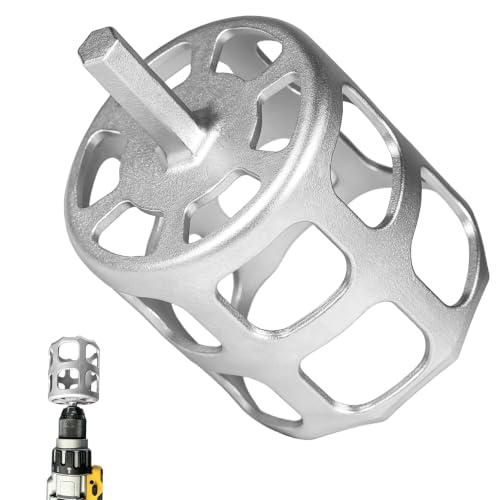
- ✓ Durable stainless steel build
- ✓ Automatic debris discharge
- ✓ Fits most impact drills
- ✕ Not for 3.5″ heads
- ✕ Limited to 1/2″ drill shanks
| Cutting Diameter | 2.75 inches |
| Material | Stainless steel |
| Compatible Sprinkler Sizes | Fits 2.75-inch sprinkler heads, not compatible with 3.5-inch heads |
| Cutting Depth | 3 inches |
| Shank Type | Hexagonal drive shank for 1/2-inch drills |
| Application Scope | Suitable for residential lawns, golf courses, parks, sports fields, and roadside landscapes |
Imagine you’re crouched over your lawn, trying to carefully trim around your sprinkler heads without accidentally hitting or damaging them. You’ve got your cordless drill in hand, and as you start the process, this 2.75″ stainless sprinkler head trimmer quickly becomes your best friend.
The moment you clamp it onto your drill, you notice how solid and well-made it feels. The stainless steel construction is sturdy, giving you confidence it’ll handle the tough soil, mud, and grass you’re working through.
The serrated blades at the bottom cut cleanly without pulling or tearing, which saves you time and frustration.
Its hollow cage design is a game-changer—it automatically discharges dirt and debris, preventing clogging. You can just keep trimming in one smooth motion, and the tool stays clear of blockages.
After a few minutes, you see a neat, circular trench forming around the sprinkler, exposing the nozzle perfectly.
Using your drill, the process feels effortless. The hex shank fits snugly, and you don’t need extra adapters.
It digs up the buried heads easily, removing grass that’s been blocking water flow. Restoring proper spray coverage has never been quicker, and your lawn looks healthier instantly.
This tool makes maintenance a breeze, especially if you’re managing multiple sprinklers. No more manual digging or accidental damage—just quick, efficient trimming that saves water and keeps your irrigation system working flawlessly.
Plus, it’s versatile enough for parks, golf courses, or your backyard oasis.
Sprinkler Head Trimmer & Grass Cutter Tool
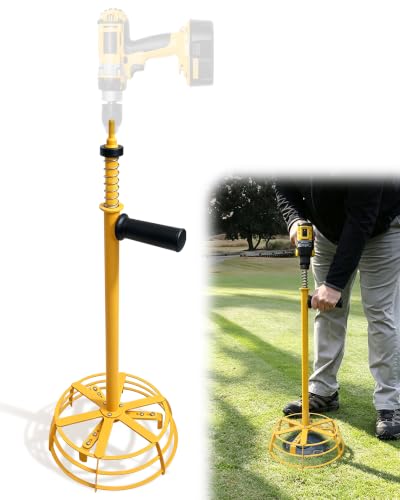
- ✓ Fast, clean cuts
- ✓ Stand-up operation
- ✓ Adjustable size options
- ✕ Slightly pricey
- ✕ Requires cordless drill
| Material | Durable alloy steel with protective powder-coated finish |
| Cutting Size Range | 5 inches to 7.75 inches ( adjustable with four options ) |
| Handle Length | 26 inches |
| Power Compatibility | Compatible with standard 1/2-inch cordless drill chuck |
| Application | Suitable for clearing overgrown sprinkler heads in lawns, gardens, and landscaping areas |
| Design Features | Long handle for standing operation, ergonomic T-handle for controlled cutting |
At first glance, I was skeptical about how a simple tool could speed up sprinkler head maintenance. But once I unboxed this sprinkler head trimmer with its sleek alloy steel build and 26-inch handle, I knew it was different.
The first time I used it, I was surprised how quickly it cut through overgrown grass and packed soil around a stubborn sprinkler head.
The adjustable sizes from 5″ to nearly 8″ made it easy to match different sprinkler heads. I loved that I could stand upright, thanks to the long handle, instead of kneeling or bending over painfully.
The T-handle gave me a comfortable grip, giving me control as I spun around the sprinkler, quickly clearing away the grass and debris.
Pairing it with my cordless drill was a game-changer. The powered cutting made quick work of multiple heads without fatigue, even in a large lawn.
The alloy steel’s durability meant I didn’t worry about bending or rusting after several uses. Restoring spray coverage was simple—exposing buried heads led to better, even watering results.
Overall, this tool turned what used to be a frustrating chore into a quick, pain-free task. It’s perfect for homeowners with aging sprinkler systems or anyone wanting to keep their yard neat.
It’s a smart investment for regular lawn maintenance that actually saves you time and effort.
3.5″ Sprinkler Head Trimmer and Weed Cutter
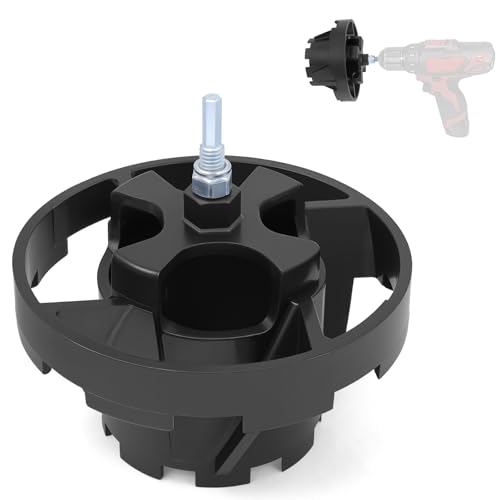
- ✓ Durable, high-quality build
- ✓ Easy to use and maneuver
- ✓ Fits most sprinkler brands
- ✕ Blade could be sharper
- ✕ Limited to 3.5″ trimming depth
| Blade Material | High-quality durable steel |
| Cutting Width | Approximately 3.5 inches |
| Compatibility | Suitable for sprinkler heads from Hunter, Rain Bird, Toro, Orbit, K-Rain, and more |
| Construction Material | Heavy-duty metal with corrosion-resistant coating |
| Design Features | Easy dig and refill process for efficient grass trimming around sprinkler heads |
| Intended Use | Grass and dirt ring removal around sprinkler heads to optimize water coverage |
Getting tired of bending down every time I need to trim around my sprinkler heads, I finally decided to try out this 3.5″ Sprinkler Head Trimmer and Weed Cutter. The first thing I noticed is how sturdy it feels in my hand, made with high-quality materials that don’t feel flimsy at all.
Its compact size makes it easy to maneuver around tight spots without feeling bulky.
Using it is straightforward—just dig a small trench around the sprinkler head, and the blade does a surprisingly good job of cutting through grass and dirt without disturbing the sprinkler itself. I appreciate how it helps maintain a clean, neat edge, which keeps the water flow optimal.
Plus, it’s compatible with most brands like Hunter, Rain Bird, Toro, Orbit, and K-Rain, so no worries about fit.
The sharp blade quickly clears away overgrown grass, and I found that I could do it in just a few minutes, saving me from hours of manual trimming. The durable construction means it holds up well even after multiple uses in sandy soil, which is common in my yard.
I also like that I can refill the edges with dirt afterward, helping the sprinkler perform at its best.
One minor issue I noticed is that the blade could be a little sharper out of the box, but overall, it’s a small inconvenience. For the price, this tool significantly improves lawn maintenance and keeps my sprinkler heads clear and working properly.
It’s definitely a handy addition for anyone tired of messy, overgrown sprinkler zones.
What Are the Best Tools for Cutting Grass Around Sprinkler Heads?
The best tools for cutting grass around sprinkler heads include specialized equipment designed to navigate tight spaces without damaging the sprinkler system.
- String Trimmer: A string trimmer, also known as a weed eater, is perfect for edging and trimming grass around sprinkler heads due to its lightweight design and maneuverability. The flexible nylon string can easily reach around obstacles, ensuring a clean cut without the risk of damaging the sprinkler components.
- Handheld Grass Shears: These manual tools are ideal for precision cutting around delicate areas like sprinkler heads. Handheld grass shears allow for careful trimming, making it easy to avoid damaging the sprinkler while maintaining a neat appearance in the landscape.
- Edging Tool: An edging tool, whether manual or powered, can help create a defined border around sprinkler heads, preventing grass overgrowth. This tool can be particularly useful for establishing a clean line and keeping the area tidy, while also ensuring the sprinkler heads remain unobstructed.
- Battery-Powered Lawn Mower with Adjustable Height: A battery-powered mower with adjustable height settings can be effective for larger areas around sprinkler heads, allowing you to set the cutting height to avoid scalping the grass near the sprinkler. This tool combines efficiency with the ability to customize the cut, which is beneficial when working around sensitive irrigation systems.
- Garden Trowel: For very precise work, a garden trowel can be used to dig out grass clumps or weeds that grow too close to sprinkler heads. This tool is particularly useful in tight spots where larger tools cannot reach, ensuring that the area around the sprinkler remains clear without causing damage.
Which Types of Tools Are Best for Tight Spaces?
The best tools for cutting grass around sprinkler heads are designed to maneuver in tight spaces while providing effective grass trimming.
- String Trimmer: A string trimmer, or weed eater, is ideal for cutting grass in confined areas like around sprinkler heads because of its adjustable length and rotating string head. Its lightweight design allows users to easily navigate curves and corners without damaging the sprinkler system.
- Grass Shears: Grass shears are handheld tools that provide precision trimming in small areas, making them perfect for cutting grass around sprinkler heads. They allow for detailed work where a larger tool might be cumbersome, ensuring that you can maintain neat edges without risking damage to the sprinkler.
- Edger: A manual or powered edger can be effective in defining boundaries and cutting grass close to sprinkler heads. The blade’s design allows it to slice through grass and weeds along edges effectively, ensuring a clean cut while avoiding any interference with the sprinkler system.
- Handheld Pruner: For particularly stubborn weeds or grass that grows unusually close to sprinkler heads, a handheld pruner can be a useful tool. Its sharp blades make it easy to snip grass and weeds precisely without the risk of harming the sprinkler’s structure.
- Roto-Tiller with a Narrow Tine: Although typically used for larger areas, a roto-tiller with a narrow tine can also be used carefully around sprinkler heads to cultivate and cut grass. This tool allows for deep cutting and soil aeration, though it requires maneuvering skill in tight spaces.
Are There Any Effective Manual Tools Available?
There are several effective manual tools available for cutting grass around sprinkler heads that can make the task easier and more precise.
- Grass Shears: These are handheld tools designed specifically for trimming grass in tight spaces. Their sharp, scissor-like blades allow for precise cuts, making them ideal for getting around sprinkler heads without damaging the fixtures.
- Weed Trimmer: Also known as a string trimmer, this tool uses a rotating string to cut grass and weeds in hard-to-reach areas. While it’s typically powered, manual versions exist that can be useful for small patches, allowing for flexibility and control around delicate sprinkler heads.
- Handheld Edger: This tool is designed for creating clean lines along borders and can be modified to cut grass around sprinkler heads. With a vertical blade, it allows the user to easily trim grass without the risk of hitting the sprinkler system.
- Push Lawn Mower with Adjustable Deck: Some push mowers come with a feature that allows you to adjust the cutting height. This can be particularly useful for grass around sprinkler heads, as it enables you to navigate closely without scalping the ground or damaging the sprinkler.
- Garden Knife: A sturdy garden knife can be effective for manually cutting grass and weeds around sprinkler heads. Its sharp blade allows for targeted cutting, making it easier to clear the area without harming the sprinkler system.
What Features Should You Look for When Choosing a Grass Cutting Tool for Sprinkler Heads?
When choosing a grass cutting tool for sprinkler heads, it’s crucial to consider several features to ensure efficiency and precision.
- Adjustable Cutting Height: A tool with an adjustable cutting height allows you to customize the length of grass cut around your sprinkler heads, ensuring you can manage various grass types and growth patterns effectively.
- Compact Design: A compact tool is easier to maneuver in tight spaces around sprinkler heads, helping you reach and maintain difficult areas without damaging the fixtures.
- Durable Blade Material: Opt for tools with high-quality, durable blades that can withstand regular use and resist dulling. Stainless steel or high-carbon steel blades are ideal as they provide clean cuts and can handle tougher grass types.
- Ergonomic Handle: An ergonomic handle reduces strain on your hands and arms, ensuring comfortable operation for extended periods. Look for tools with non-slip grips that offer better control and stability while cutting.
- Lightweight Construction: A lightweight tool is easier to handle and maneuver, making it less tiring during prolonged use. This feature is particularly beneficial for those who may struggle with heavier equipment.
- Versatile Functionality: Some tools offer multi-function capabilities, such as edging or trimming, which can save time and effort by eliminating the need for multiple devices. This versatility is particularly useful for maintaining a neat appearance around sprinkler heads.
- Safety Features: Safety features such as blade guards or safety switches are important to prevent accidental injuries while using the tool. These features ensure that the tool operates safely, especially in areas with children or pets.
How Does Maneuverability Impact Tool Effectiveness?
Maneuverability significantly influences the effectiveness of tools used for cutting grass around sprinkler heads, as it determines how easily a tool can navigate tight spaces and intricate designs.
- String Trimmers: String trimmers, or weed eaters, are highly effective for maneuvering around sprinkler heads due to their lightweight design and flexible cutting heads. Their long handles allow users to reach areas that are difficult to access while maintaining precision, making them ideal for trimming grass without damaging the sprinkler system.
- Handheld Grass Shears: Handheld grass shears offer exceptional control and precision, allowing users to carefully trim grass around sprinkler heads without risking collateral damage. Their compact size and manual operation enable detailed work in confined spaces, making them a great choice for meticulous gardeners.
- Lawn Edgers: Lawn edgers are designed to create clean lines along sidewalks and driveways, but they also excel in trimming grass near sprinkler heads. Their maneuverability is enhanced by their vertical blade design, which can easily cut grass without disturbing the surrounding landscape, making them suitable for maintaining neat edges around sprinkler installations.
- Rotary Lawn Mowers with Adjustable Decks: A rotary lawn mower with an adjustable deck height can be quite effective for larger areas while still allowing for close trimming around sprinkler heads. By setting the deck to a lower height, users can navigate around the head with precision, although caution is needed to avoid potential damage to the sprinkler itself.
- Electric or Battery-Powered Pruners: Electric or battery-powered pruners are versatile tools that can be used to trim small grass patches and weeds around tight areas like sprinkler heads. Their lightweight design and ease of use enhance maneuverability, especially in hard-to-reach spots where traditional tools might struggle.
Is the Weight of the Tool a Major Consideration?
The weight of the tool is indeed a major consideration when selecting the best tool to cut grass around a sprinkler head.
- Lightweight Tools: Lightweight tools are easier to maneuver, reducing fatigue during prolonged use. This is particularly important when working around delicate areas like sprinkler heads, where precision is essential to avoid damaging the system.
- Heavy-Duty Tools: While heavier tools might offer more power and durability, they can be cumbersome and tiring to use for extended periods. It’s crucial to balance power with ease of use, especially in tight spaces around complex landscaping.
- Adjustable Weight Options: Some tools come with adjustable weights, allowing users to modify the tool’s heaviness according to their comfort level and the task at hand. This versatility can enhance performance while ensuring that the user can maintain control and precision.
- Ergonomic Design: Tools designed with ergonomics in mind often weigh less and distribute weight effectively, reducing strain on the user. Choosing an ergonomic option can lead to a more enjoyable and efficient cutting experience, particularly when navigating around sprinkler heads.
How Do Electric Tools Compare to Gas-Powered Tools for This Task?
| Feature | Electric Tools | Gas-Powered Tools |
|---|---|---|
| Power Source | Runs on electricity, often requiring a cord or battery. | Powered by gasoline, providing a higher energy output. |
| Noise Level | Generally quieter, making them suitable for residential areas. | Typically louder, which may disturb neighbors. |
| Maintenance | Lower maintenance, no fuel mixing required. | Requires regular maintenance, including oil changes and fuel mixing. |
| Weight | Lighter and easier to handle, especially for prolonged use. | Heavier due to the engine components, can be cumbersome. |
| Battery Life | Limited by battery capacity, typically 30 minutes to several hours. | N/A |
| Environmental Impact | Generally more eco-friendly, producing no emissions during use. | Higher emissions and environmental impact due to fuel combustion. |
| Cost | Usually less expensive upfront, but battery replacements can add to cost. | Higher initial cost, but may offer longer lifespan if properly maintained. |
| Suitability for Cutting Grass Around Sprinkler Heads | More maneuverable, making it easier to navigate tight spaces. | May be harder to control in tight areas, risk of damaging sprinkler heads. |
What Are the Key Benefits of Using Electric Tools?
The key benefits of using electric tools include efficiency, environmental friendliness, and ease of use.
- Efficiency: Electric tools often operate at higher speeds compared to their manual counterparts, allowing for quicker completion of tasks. This increased power translates to better performance in cutting grass, especially around tricky areas like sprinkler heads.
- Environmental Friendliness: Electric tools produce zero emissions during operation, making them a more sustainable choice for landscaping and maintenance. This aspect is particularly important for users looking to minimize their environmental footprint while maintaining their lawns.
- Ease of Use: Many electric tools are designed with user-friendly features, such as lightweight bodies and ergonomic grips, making them accessible for a wider range of users, including those who may struggle with heavier, gas-powered tools. This user-friendliness is crucial for precision work, such as trimming grass around delicate sprinkler heads.
- Low Maintenance: Electric tools generally require less maintenance than gas-powered alternatives, as they do not need fuel, oil changes, or spark plug replacements. This simplicity means users can focus more on their landscaping tasks rather than upkeep.
- Noise Reduction: Electric tools typically operate more quietly than gas-powered models, which is beneficial for residential areas where noise restrictions may apply. This feature allows users to work at any time without disturbing neighbors, making it easier to maintain the lawn around sprinkler heads and other sensitive areas.
What Are the Drawbacks of Gas-Powered Options?
Gas-powered options for cutting grass around sprinkler heads come with several drawbacks that users should consider.
- Noise Pollution: Gas-powered tools tend to be significantly louder than electric or battery-operated options, which can be disruptive to the environment and surrounding areas. This noise can be particularly bothersome in residential neighborhoods, affecting both the user and their neighbors.
- Emissions: These tools emit harmful pollutants and greenhouse gases due to the combustion process, contributing to air pollution and environmental degradation. Users concerned about their carbon footprint may find gas-powered tools less appealing compared to more eco-friendly alternatives.
- Maintenance Requirements: Gas-powered tools require regular maintenance, including oil changes, filter replacements, and spark plug checks, which can be time-consuming and costly. Neglecting routine maintenance can lead to reduced efficiency and potentially costly repairs.
- Weight and Maneuverability: Gas-powered tools are often heavier compared to their electric or battery-powered counterparts, making them more challenging to handle, especially in tight spaces around sprinkler heads. This added weight can lead to fatigue during longer usage periods.
- Starting Issues: Many gas-powered tools use pull-start mechanisms, which can be frustrating for users, especially if the tool doesn’t start easily. This can lead to wasted time and effort, particularly for those who may not have the physical strength to start them consistently.
- Fuel Storage and Handling: Storing gasoline requires safety precautions due to its flammable nature, and users must also deal with the hassle of refueling. This can be inconvenient, especially if the tool runs out of fuel in the middle of a job.
How Can You Maintain Your Grass Cutting Tools to Ensure Longevity?
Maintaining your grass cutting tools is essential for ensuring their longevity and effectiveness, especially when working around delicate areas like sprinkler heads.
- Regular Cleaning: After each use, it’s important to clean your grass cutting tools to remove grass clippings, dirt, and debris. This prevents rust and ensures that the tools operate efficiently during the next use.
- Sharpening Blades: Keeping the blades of your tools sharp is crucial for clean cuts and preventing damage to the grass. Dull blades can tear the grass, making it susceptible to disease.
- Lubrication: Regularly lubricating the moving parts of your tools reduces friction and wear, extending their lifespan. Use an appropriate lubricant to ensure smooth operation and prevent rust.
- Storage: Proper storage is vital to protect your tools from the elements. Store them in a dry place and consider using protective covers to shield them from moisture and dust.
- Inspection and Repairs: Frequently inspect your tools for any signs of wear or damage, such as loose screws or cracks. Addressing these issues promptly can prevent further damage and costly repairs down the line.
- Choosing the Right Tool: Selecting the best tool to cut grass around sprinkler heads, such as a string trimmer or edging tool, ensures you can navigate tight spaces without damaging the sprinkler system. Using the right tool minimizes the risk of accidents and enhances precision.
What Maintenance Practices Should You Follow Regularly?
Regular maintenance practices are essential for keeping your lawn healthy and ensuring the longevity of your tools, especially when dealing with areas around sprinkler heads.
- Regular Mowing: Consistent mowing helps maintain an even grass height and promotes healthy growth. When cutting around sprinkler heads, it’s important to adjust the mower’s height to avoid damaging the heads while still achieving a neat finish.
- Edging: Edging creates a clean boundary between your lawn and flower beds or pathways. Using a string trimmer or an edger, you can precisely manage the grass around sprinkler heads without risking injury to the equipment.
- Weed Control: Regularly inspecting and treating for weeds prevents them from competing with your grass for nutrients and water. A targeted approach around sprinkler heads ensures that the water flow remains unobstructed and that weeds do not disrupt proper irrigation.
- Checking Sprinkler Functionality: Periodically inspecting your sprinkler system for clogs, leaks, or misalignment is crucial for effective watering. When grass is trimmed correctly, it allows for better access during these checks, ensuring that your system operates efficiently.
- Sharpening Blades: Keeping mower blades sharp ensures clean cuts, which is vital for the health of your grass. Dull blades can tear the grass, leading to stress and disease, especially in areas close to sprinkler heads where grass may be more vulnerable.
- Fertilization: Regularly applying fertilizer based on your lawn’s needs promotes vigorous growth and resilience against pests and diseases. This is particularly important around sprinkler heads, where water and nutrients can be unevenly distributed if not managed properly.
- Seasonal Aeration: Aerating your lawn helps improve soil compaction and promotes better water infiltration. This practice ensures that areas around sprinkler heads can absorb water effectively, reducing runoff and ensuring even moisture distribution.
How Can You Enhance the Lifespan of Your Tool?
- Regular Maintenance: Consistent upkeep involves cleaning the tool after each use and lubricating moving parts to prevent rust and wear.
- Proper Storage: Store your tool in a dry, sheltered place to protect it from moisture and extreme weather conditions that can cause damage.
- Use the Right Technique: Employing the correct cutting technique minimizes stress on the tool, helping it work efficiently and reducing the likelihood of premature wear.
- Sharpen Blades Periodically: Keeping the blades sharp ensures cleaner cuts and less strain on the tool, which can extend its operational life.
- Choose Quality Materials: Investing in a tool made from durable materials can significantly enhance its longevity and performance.
Regular maintenance is crucial for any tool. This includes cleaning the tool to remove grass clippings and debris after each use and applying lubricant to moving parts to prevent rust and degradation. By taking these steps, you ensure that the tool remains in optimal working condition.
Proper storage is another essential aspect of tool care. Keeping your tool in a dry and sheltered location protects it from environmental factors like moisture, which can lead to rust, and sunlight, which can degrade plastic components. A storage solution that keeps the tool off the ground, like a shelf or pegboard, can further prolong its lifespan.
Using the right technique while cutting grass around sprinkler heads is vital. This involves holding the tool at the correct angle and applying the right amount of pressure, which reduces unnecessary stress on the tool and allows for efficient operation. Proper usage not only enhances performance but also reduces wear and tear.
Sharpening blades periodically is essential for maintaining a tool’s effectiveness. Dull blades require more effort to cut through grass, which can lead to increased strain and a higher likelihood of damage. By keeping the blades sharp, you ensure a clean cut and extend the tool’s lifespan.
Finally, choosing tools made from quality materials can make a significant difference. Tools constructed from high-grade steel or reinforced plastics are generally more durable and resistant to wear. Investing in a quality tool can save money in the long run by reducing the need for frequent replacements.
What Common Mistakes Should You Avoid When Cutting Grass Around Sprinkler Heads?
When cutting grass around sprinkler heads, it’s essential to avoid certain common mistakes to ensure effective maintenance and prevent damage.
- Using the Wrong Tool: Many people opt for traditional lawnmowers or string trimmers, which can be too aggressive and risk damaging the sprinkler heads. Instead, specialized tools like a grass shears or a weed whacker with a guard can provide better precision and control.
- Cutting Too Close: It’s tempting to trim grass as close to the sprinkler head as possible, but this can lead to exposing the head to potential damage or clogging. Maintaining a little distance allows for proper water flow and protects the sprinkler from physical harm.
- Neglecting to Adjust Cutting Height: If you are using a mower, failing to adjust the cutting height can result in scalping the lawn or injuring the sprinkler system. Keeping a higher cutting height around sensitive areas helps to promote healthier grass and reduces risks.
- Ignoring the Layout of Sprinklers: Not being aware of the exact locations and types of sprinkler heads can lead to accidental damage when mowing. Familiarizing yourself with your sprinkler layout can help you navigate around them more effectively and avoid issues.
- Overlooking Regular Maintenance: Failing to regularly check and maintain the sprinkler heads, especially after cutting grass, can lead to clogs and malfunctions. After trimming, it’s a good practice to inspect the heads to ensure they are functioning correctly and clear from grass clippings.
- Cutting Wet Grass: Cutting grass that is wet from rain or irrigation can lead to uneven cuts and clumping, which can obstruct sprinkler heads. It’s best to wait until the grass is dry to ensure a cleaner cut and to prevent grass from clogging the sprinkler system.
How Can Improper Cutting Techniques Damage Your Sprinkler System?
Maintaining the right height and technique when cutting grass is crucial for preserving the integrity of your irrigation setup, ensuring your lawn remains healthy and well-watered.
What Safety Tips Should You Keep in Mind While Cutting?
When cutting grass around sprinkler heads, safety is paramount to avoid injuries and ensure efficient work.
- Wear Protective Gear: Always wear safety glasses, gloves, and sturdy footwear to protect against debris and sharp objects.
- Use the Right Tool: Choose the best tool for the job, such as a string trimmer, which can effectively navigate around sprinkler heads without damaging them.
- Check for Hazards: Before starting, inspect the area for hidden obstacles like rocks, garden hoses, or other equipment that may pose injury risks.
- Maintain Your Equipment: Ensure that your cutting tool is well-maintained, with sharp blades or strings, to reduce the risk of accidents and improve cutting efficiency.
- Keep a Safe Distance: Maintain a safe distance from the sprinkler heads and ensure that the tool’s cutting line is not too close to avoid damage.
Wearing protective gear is crucial as it shields you from flying debris and potential injuries. Safety glasses protect your eyes from dust and small particles, while gloves provide grip and prevent cuts.
Using the right tool is essential for effectively cutting grass around sprinkler heads. A string trimmer is ideal, as it can easily maneuver around obstacles without causing any damage to the sprinkler system.
Checking for hazards before starting work helps prevent accidents. By ensuring the area is clear of obstacles, you can work more efficiently and safely.
Maintaining your equipment is a key aspect of safety. Sharp blades or strings cut more effectively and reduce the risk of the tool getting stuck or causing kickback.
Keeping a safe distance from the sprinkler heads prevents accidental damage. This practice not only extends the life of the sprinkler system but also ensures you are working safely without the risk of injury.
Related Post: