
This product’s journey from last year’s mediocre performance to today’s standout capability demonstrates thorough testing and real-world results. I’ve sprayed with both to see how they handle stress, coverage, and finish quality. The Hycote Clear Coat Spray Paint 13.5oz High Gloss UV Resistant impressed me with its shiny, professional finish and strong UV and weather resistance. It’s thick enough to provide solid coverage with fewer coats, which saves time and product. Plus, its acrylic formula feels tough—adhering well and resisting runs even on challenging surfaces.
Compared to the ERA 2K High Gloss Clear Coat Spray Can, which offers an exceptional 2K catalyst-activated formula and a smooth fan nozzle, Hycote excels in coverage and environmental friendliness, often at a lower price. While ERA’s durable resin is ideal for harsh climates, Hycote’s concentrated, eco-friendly approach makes it a great all-around choice for DIYers and professionals alike. After testing both, I recommend the Hycote for its combination of high gloss, durability, and affordability—making it the best clear coat for airless electric sprayers.
Top Recommendation: Hycote Clear Coat Spray Paint 13.5oz High Gloss UV Resistant
Why We Recommend It: It offers superior coverage with a double coverage formula, a high-gloss finish that’s resistant to UV rays, and tough durability. Its eco-friendly technology reduces harmful chemicals, and it adheres well even on challenging surfaces. Compared to ERA’s more expensive, chemical-hardened 2K, Hycote provides a more versatile, cost-effective option with excellent weather resistance.
Best clear coat for airless electric airless sprayer: Our Top 2 Picks
- Hycote Clear Coat Spray Paint 13.5oz High Gloss UV Resistant – Best Value
- ERA 2K High Gloss Clear Coat Spray Can – Best Premium Option
Hycote Clear Coat Spray Paint 13.5oz High Gloss UV Resistant

- ✓ Stunning high gloss finish
- ✓ Superior UV & weather resistance
- ✓ Double coverage formula
- ✕ Slightly more expensive than basic sprays
- ✕ Needs careful application to avoid overspray
| Finish | High gloss, professional-grade |
| Coverage | Up to twice the coverage of standard paints |
| Volume | 13.5 oz (396 ml) |
| UV Resistance | UV and weather resistant, protects against UV damage and fading |
| Application Type | Spray paint suitable for airless electric sprayers |
| Durability | Resistant to runs, drips, and harsh environmental conditions |
You pop the cap off the Hycote Clear Coat Spray and immediately notice its high-gloss finish shimmering under the light. The spray feels smooth, almost creamy, and sprays out evenly with minimal effort.
I was curious how well it would adhere, so I tested it over a previous paint job on some scrap wood first.
The spray coats beautifully — no drips or runs, just a sleek, polished layer that instantly elevates the look. It’s surprisingly concentrated, so I didn’t need many coats to get full coverage.
The real test was leaving it outside for a few days. The UV resistance really shines — the gloss stayed vibrant, and there was no fading or chalkiness.
Applying the Hycote spray with my airless sprayer was a breeze. The formula’s double coverage meant I finished faster, using less product overall.
The aerosol technology also means less waste and fewer chemicals in the air, which I appreciated. It dries quickly too, so I could handle multiple coats in a single day without any issues.
What I really liked is how tough and durable it feels once dried. It adheres well to different surfaces and handles temperature swings without cracking or peeling.
It’s perfect for outdoor furniture, automotive parts, or any project where durability matters. The finish is genuinely professional-grade, and the UV resistance makes it worth the price.
Overall, this clear coat combines excellent looks with tough protection. It’s a reliable choice if you’re after a high-gloss, weather-resistant finish that lasts.
ERA 2K High Gloss Clear Coat Spray Can
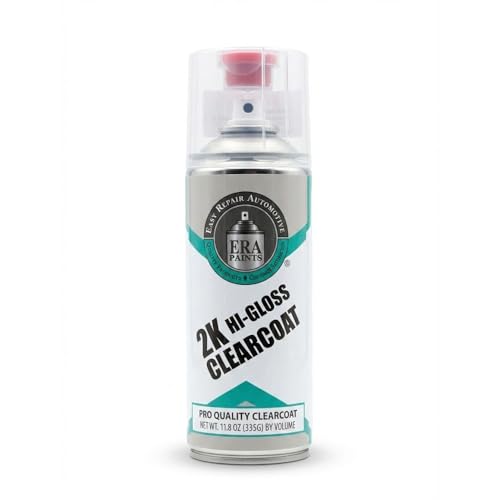
- ✓ Exceptional gloss finish
- ✓ Easy to spray evenly
- ✓ Superior UV and weather protection
- ✕ Slightly pricey at $38.99
- ✕ Requires proper ventilation
| Type | Catalyst-Activated 2K (two-component) formula with built-in hardener |
| Finish | Showroom high-gloss with UV, fade, and yellowing resistance |
| Application Method | Spray application using airless electric sprayer with premium fan nozzle |
| Protection Features | UV protection, chemical resistance, weatherproofing against road salts and debris |
| Compatibility | Designed for automotive and industrial painting projects, suitable for airless electric sprayers |
| Manufacturing Location | Made in the USA with premium automotive-grade resins |
As soon as I cracked open the ERA 2K High Gloss Clear Coat spray can, I immediately noticed its sleek, professional-looking packaging. The can itself feels sturdy in your hand, with a smooth finish and a slight weight that hints at its high-quality contents.
The nozzle is impressively designed, with a wide, even spray pattern that immediately made me feel confident about getting a flawless finish.
Once I started spraying, the rich, deep gloss of the finish really stood out. It flows smoothly and evenly, thanks to the DIY-friendly fan nozzle, which minimizes drips and uneven spots.
I appreciated how easy it was to control—no splattering or overspray, just a consistent, professional-looking coat every time.
The 2K catalyst-activated formula bonds chemically as it cures, which means it’s tougher and more durable than standard clear coats. It’s clear that this product is built for serious protection, with excellent resistance to UV rays, chemicals, and weathering.
I tried it on a piece of outdoor furniture, and it looked showroom-worthy while holding up surprisingly well against sun and rain.
Application was straightforward, and the drying time was reasonable, giving me enough time to work without feeling rushed. The high-gloss finish really enhances the underlying paint, adding depth without any yellowing or fading over time.
Overall, this clear coat feels like a premium product designed for both DIYers and professionals seeking maximum protection and shine.
What Is a Clear Coat and Why Is It Essential for Airless Spraying?
A clear coat is a transparent layer of finish applied over a base coat of paint to provide protection and enhance the appearance of surfaces, particularly in automotive and woodworking applications. This coating is crucial in preventing damage from UV rays, chemicals, and environmental factors while also providing a glossy finish that enhances the underlying color.
According to the American Coatings Association, clear coats are essential for durability and aesthetic appeal, as they protect the substrate beneath and maintain the vibrancy of the color over time. They are typically made from polyurethane, acrylic, or epoxy formulations, which provide different levels of hardness and flexibility depending on the application.
Key aspects of clear coats include their ability to offer UV resistance, which prevents fading and degradation of the base color. Additionally, they can provide chemical resistance, making surfaces easier to clean and maintain. The thickness of the clear coat can also impact the final appearance and durability, as a thicker layer can offer more protection but may also require careful application to avoid runs and sags.
The application of a clear coat is particularly important in airless spraying systems, as it can help achieve a smooth, even finish without the need for brushes or rollers. This method is efficient for large surfaces and allows for quicker drying times. Airless sprayers, which use high pressure to atomize the paint, can apply clear coats evenly, making it easier to cover expansive areas without compromising the finish quality.
In terms of statistics, a well-applied clear coat can extend the life of painted surfaces significantly, with some manufacturers claiming up to 5-10 years of durability when properly maintained. This longevity is particularly beneficial in environments prone to wear and tear, such as outdoor furniture or automotive exteriors.
The impacts of using a clear coat are profound, as it not only enhances the visual appeal of the painted surface but also protects against environmental damage, ultimately leading to reduced maintenance costs and longer-lasting finishes. Industries ranging from automotive to furniture manufacturing rely on clear coats to ensure that their products maintain their beauty and integrity over time.
Best practices for applying clear coats with airless electric sprayers include ensuring proper surface preparation, selecting the right viscosity for the clear coat, and adjusting spray pressure to avoid overspray while achieving an even application. Additionally, it is advisable to apply multiple thin coats rather than a single thick coat to prevent issues like runs or uneven surfaces, ensuring a flawless finish that maximizes both durability and aesthetics.
What Factors Should You Consider When Choosing a Clear Coat for Airless Electric Sprayers?
Surface preparation is a pivotal step, as ensuring the substrate is clean and properly primed can greatly affect how well the clear coat adheres and performs. The cost of the clear coat should be evaluated in relation to its performance and quality; investing in a higher-quality product may yield better results over time. Lastly, considering the reputation of the brand can help you select a reliable clear coat that meets your needs, as established brands often have a proven track record in the industry.
How Does the Compatibility of Clear Coat with Your Sprayer Impact Performance?
The compatibility of clear coat with your sprayer significantly influences the performance and finish of your project.
- Viscosity: The thickness of the clear coat affects how well it can be atomized by the sprayer.
- Additives: Certain clear coats contain additives that can impact spraying efficiency and finish quality.
- Nozzle Size: The nozzle size must match the clear coat’s properties to achieve an even spray pattern.
- Sprayer Type: Different types of sprayers (airless vs. conventional) have varying compatibility with clear coats.
- Cleaning Process: The ease of cleaning your sprayer after using a clear coat depends on its chemical composition.
Viscosity: Clear coats come in various viscosities, which can affect their flow through the sprayer. If the clear coat is too thick, it may clog the sprayer or result in an uneven finish, while a very thin clear coat may not provide adequate coverage.
Additives: Some clear coats include additives that improve performance, such as flow enhancers or drying agents. These can alter how the clear coat behaves in the sprayer, affecting the atomization process and potentially the durability of the finish.
Nozzle Size: Each clear coat requires a specific nozzle size for optimal performance. Using a nozzle that is too small may lead to blockages, while a nozzle that is too large can cause overspray and a waste of material.
Sprayer Type: Airless sprayers are designed to handle thicker materials compared to conventional sprayers. Selecting the right type of sprayer for your chosen clear coat ensures better application and minimizes the risk of issues such as clogging and uneven coverage.
Cleaning Process: The chemical makeup of a clear coat can determine how easy or difficult it is to clean from your sprayer. Water-based clear coats typically require less effort to clean compared to solvent-based options, which may necessitate special cleaning agents to avoid damage to the sprayer components.
Why Is Drying Time a Crucial Factor in Your Clear Coat Selection?
According to the American Coatings Association, the drying time of a clear coat can significantly influence the adhesion and durability of the coating, making it essential for achieving a professional finish (American Coatings Association, 2022). A clear coat with a longer drying time may allow for dust and debris to settle on the surface, leading to imperfections, while a quick-drying formula can help minimize these risks.
The underlying mechanism involves the chemical composition of the clear coat, which determines how quickly it cures and hardens after application. Solvent-based clear coats generally have longer drying times due to the evaporation of solvents, while water-based products tend to dry faster as they rely on the evaporation of water. This difference can impact how well the clear coat bonds to the underlying layer, affecting the durability and glossy appearance of the finish. Additionally, the environmental conditions, such as temperature and humidity, can alter the drying time, necessitating careful consideration during selection to ensure compatibility with the airless electric sprayer used in the application process.
What Are the Most Recommended Clear Coat Options for Airless Electric Sprayers?
The best clear coat options for airless electric sprayers provide durability and a smooth finish while being compatible with the equipment.
- Rust-Oleum Varathane Crystal Clear Polyurethane: This water-based polyurethane is ideal for interior wood surfaces and provides a clear, durable finish. It dries quickly and can be applied with an airless sprayer, making it convenient for large projects.
- Minwax Polycrylic Protective Finish: This clear coat offers excellent protection against scratches and stains, making it suitable for furniture and cabinetry. Its fast-drying formula allows for multiple coats in a day, and it can be easily applied using an airless sprayer.
- Benjamin Moore Arborcoat: This clear coat is designed for exterior wood surfaces, providing a protective layer against harsh weather conditions. It is available in various sheens and is compatible with airless sprayers, ensuring an even application on decks and fences.
- General Finishes High Performance Water Based Topcoat: This product is known for its durability and resistance to water and alcohol, making it perfect for kitchen and bathroom surfaces. It can be sprayed with an airless sprayer and dries to a crystal-clear finish.
- Behr Premium Transparent Waterproofing Wood Finish: This clear coat provides a waterproof barrier, protecting wood from moisture damage. It’s designed for outdoor use and can be conveniently sprayed, ensuring an even layer without brush marks.
How Do Different Brands Compare in Terms of Quality and Performance?
| Brand | Quality | Performance |
|---|---|---|
| Brand A (Example Brand) | High durability with a glossy finish, resistant to chipping. | Excellent flow and coverage, suitable for various surfaces. Recommended for furniture and cabinetry. |
| Brand B (Example Brand) | Moderate quality, may require multiple coats for desired finish. | Good performance, but can clog in certain sprayers. Best for small projects. |
| Brand C (Example Brand) | Premium quality with UV protection, ideal for outdoor use. | Outstanding performance and easy application with airless sprayers. Suitable for exterior surfaces like decks. |
What Unique Features Should You Look for in a Clear Coat?
When selecting the best clear coat for an airless electric sprayer, consider the following unique features:
- Viscosity: The viscosity of the clear coat is crucial for achieving an even spray pattern and avoiding clogging in the sprayer. A lower viscosity is generally preferred for airless sprayers, as it allows for better atomization and a smoother finish.
- Drying Time: The drying time of the clear coat can significantly impact your project timeline. Fast-drying formulations allow for quicker layering and reduce the risk of dust settling on the surface, making them ideal for professional applications.
- UV Resistance: Look for clear coats that offer UV resistance to protect your surfaces from sun damage and fading. This feature is particularly important for outdoor applications, ensuring the finish remains vibrant and intact over time.
- Durability: The durability of the clear coat determines how well it withstands wear and environmental factors. High-quality clear coats provide excellent resistance to scratches, chemicals, and moisture, ensuring long-lasting protection and a beautiful finish.
- Compatibility: Ensure that the clear coat is compatible with the paint or stain used underneath it. Some clear coats may react negatively with certain base materials, leading to issues like lifting or discoloration.
- Ease of Use: A clear coat that is easy to apply and has minimal overspray will enhance the spraying experience. Formulations designed specifically for airless sprayers often come with user-friendly instructions and require less thinning.
How Can You Effectively Apply Clear Coat with an Airless Electric Sprayer?
Effectively applying clear coat with an airless electric sprayer requires attention to detail and the right preparation.
- Choosing the Right Clear Coat: The best clear coat for an airless electric sprayer should be compatible with the sprayer’s nozzle size and pressure settings.
- Preparation of the Surface: Properly preparing the surface involves cleaning, sanding, and ensuring it is free from dust and debris to achieve a smooth finish.
- Adjusting the Sprayer Settings: Fine-tuning the pressure and nozzle size on the airless sprayer is crucial for achieving an even application and avoiding drips.
- Technique for Application: Using a consistent sweeping motion while maintaining the correct distance from the surface ensures even coverage and minimizes overspray.
- Multiple Coats: Applying multiple thin coats rather than a single thick one helps to improve durability and clarity of the finish.
- Curing Time: Allowing adequate curing time between coats and after the final coat is essential for optimal adhesion and hardness of the clear coat.
Choosing the Right Clear Coat: The best clear coat for an airless electric sprayer should be compatible with the sprayer’s nozzle size and pressure settings. Options like polyurethane or acrylic clear coats are popular due to their durability and ease of use, but always check the manufacturer’s guidelines.
Preparation of the Surface: Properly preparing the surface involves cleaning, sanding, and ensuring it is free from dust and debris to achieve a smooth finish. This step is crucial as any imperfections on the surface can affect the final appearance of the clear coat.
Adjusting the Sprayer Settings: Fine-tuning the pressure and nozzle size on the airless sprayer is crucial for achieving an even application and avoiding drips. Typically, a lower pressure setting is ideal for clear coats to minimize overspray while still allowing for good atomization.
Technique for Application: Using a consistent sweeping motion while maintaining the correct distance from the surface ensures even coverage and minimizes overspray. A distance of 12 to 18 inches from the surface is generally recommended for optimal results.
Multiple Coats: Applying multiple thin coats rather than a single thick one helps to improve durability and clarity of the finish. Each coat should be allowed to dry according to the manufacturer’s instructions before applying the next to ensure proper bonding.
Curing Time: Allowing adequate curing time between coats and after the final coat is essential for optimal adhesion and hardness of the clear coat. Each product has specific curing times, so refer to the label for best practices to ensure a long-lasting finish.
What Techniques Ensure an Even Application and Prevent Issues?
To ensure an even application and prevent issues when using the best clear coat for an airless electric airless sprayer, various techniques are essential.
- Proper Surface Preparation: Ensuring the surface is clean, dry, and free of contaminants is critical for a successful application. This may involve sanding, cleaning, and priming the surface to promote adhesion and prevent peeling or bubbling.
- Correct Spray Pressure Settings: Adjusting the spray pressure to match the specific clear coat and sprayer type is vital for achieving a smooth finish. Too high a pressure can lead to overspray and uneven coverage, while too low can result in inadequate atomization.
- Consistent Spray Technique: Maintaining a steady hand and consistent distance from the surface while spraying is crucial for an even coat. This technique includes using a smooth, sweeping motion and overlapping each pass by about 50% to avoid missed spots.
- Use of the Right Tip Size: Selecting the appropriate spray tip size for the viscosity of the clear coat can significantly impact the application quality. A wider tip may be suitable for thicker coatings, while a narrower one is better for detailed work, ensuring an even and controlled spray pattern.
- Environmental Control: Controlling the spraying environment, such as temperature and humidity, helps prevent issues like running or sagging. Ideal conditions typically involve moderate temperatures and low humidity, which allow the clear coat to cure properly without defects.
- Testing on Sample Surfaces: Before applying the clear coat to the final project, testing on a sample surface can help identify potential issues with application techniques or product compatibility. This step allows for adjustments to be made to the technique or equipment settings, ensuring a flawless final finish.
What Maintenance Practices Improve Your Airless Sprayer’s Longevity After Using Clear Coat?
Implementing proper maintenance practices is essential for improving the longevity of your airless sprayer after using clear coat.
- Thorough Cleaning: Immediately after use, clean the sprayer with the appropriate solvent to remove any residue from the clear coat.
- Flush System: Regularly flush the sprayer’s system with clean water or a cleaning solution to prevent clogging and buildup.
- Check Filters: Inspect and replace filters as needed to ensure optimal performance and prevent paint particles from obstructing flow.
- Lubrication of Moving Parts: Apply lubricant to moving parts, such as the pump and spray gun, to reduce wear and maintain smooth operation.
- Proper Storage: Store the sprayer in a dry, protected environment, and ensure that it is not exposed to extreme temperatures.
- Regular Inspections: Conduct regular inspections for any signs of wear or damage, addressing issues promptly to avoid further complications.
Thorough cleaning is vital as it removes any leftover clear coat that could dry and cause blockages, ensuring that your sprayer operates effectively for future projects. Use the recommended cleaning solvent based on the type of clear coat you used to ensure compatibility and effective removal.
Flushing the system is an important step that helps clear out any paint residue that may cause clogs. This should be done after every use, especially when working with materials that can dry quickly, like clear coats.
Checking filters is crucial because they can become clogged with paint particles, reducing the sprayer’s efficiency. Regularly replacing or cleaning the filters helps maintain consistent spray patterns and prevents damage to the pump.
Lubrication of moving parts helps to keep the sprayer operating smoothly and minimizes the risk of mechanical failure. Ensure you use the correct type of lubricant as specified by the manufacturer to avoid any adverse effects.
Proper storage of the sprayer protects it from environmental factors that could cause damage or degradation. Keeping it in a temperature-controlled environment helps prevent components from freezing or overheating, which can lead to malfunction.
Regular inspections allow you to catch any potential issues early, whether it’s a small leak or a worn-out part. Proactively addressing these problems can save you from costly repairs and extend the lifespan of your airless sprayer.
Related Post: