
Weber Charcoal Heat Controller for 22″ Kettle Grills to be the standout choice.
Top Recommendation: Weber Charcoal Heat Controller for 22″ Kettle Grills
Why We Recommend It: This option delivers explicit indirect-low-and-slow control with a dedicated diffuser ring and cone, maximizing space for larger cuts while enabling extreme direct heat for searing. It supports 225°F–275°F long cooks and offers moisture via a water pan, plus easy disassembly for cleaning and storage. Compared with VORTEX and other accessories, it provides a cohesive, purpose-built setup for 22″ kettles, better fuel efficiency, and a reliable two-zone workflow without complex adjustment, making it the most balanced indirect-heat solution in this lineup.
Best indirect heat grill: Our Top 5 Picks
- VORTEX DIRECT HEAT for Charcoal Grills, Medium Size – For – Best Value
- Char-Griller® AKORN Charcoal Grill and Smoker Ceramic – Best Premium Option
- 15” Half Moon Ceramic Heat Deflector Plates for Kamado Joe – Best for Beginners
- Weber Charcoal Heat Controller for 22″ Kettle Grills – Best for Low and Slow Grill
- SnS Slow ’N Sear Charcoal Basket for 18” Weber Kettles – Best for Indirect Barbecue
VORTEX DIRECT HEAT for Charcoal Grills, Medium Size – For

- ✓ Solid stainless build
- ✓ Four cooking modes
- ✓ Easy cleanup
- ✕ Takes space on grill
- ✕ Needs proper positioning
| Material | Stainless steel |
| Compatible Grills | Weber Kettle 22.5 in and 26.5 in, Weber Smokey Mountain, XL BGE & Kamado, Weber Summit, UDS |
| Cooking Modes | Indirect Low & Slow, Indirect-Direct High Heat Indirect, Direct High Heat Searing, Infrared Radiant Heat |
| Purpose/Use | Grill width indirect cooking and searing for wings, steak, and smoking |
| Origin | Made in the USA |
| Brand | VORTEX (IN)DIRECT HEAT |
You set this VORTEX DIRECT HEAT apart the moment you slide it onto a Weber Kettle and hear that solid stainless steel click. It feels rugged, not flimsy, and the fit is surprisingly snug on 22.5 and 26.5-inch kettles.
In my hands, the four cooking modes are instantly obvious, and the radiant heat mode isn’t just marketing fluff—it actually stares down a hot grate and delivers.
The first thing you’ll notice is the way the Vortex centers your food. It doesn’t wobble or shift when you flip a steak; it stays steady, letting the indirect session hum along.
I used it for a low-and-slow pork butt and it didn’t dump heat or collapse into a hollow arc of smoke. The stainless construction wipes clean, and you won’t worry about rust or pitting after a season of use.
If you crave surface sear, the direct/high-heat option kicks in with a satisfying crust. You’ll get that quick hard crust on wings or a filet without chasing flare-ups.
The infrared radiant heat adds another dimension, so you aren’t stuck chasing even temps in windy conditions. It’s a relief for weeknight cooks who want consistent results without babysitting the grill.
Setup is straightforward: place the Vortex inside, adjust the airflow, and you’re ready to go. It feels thoughtfully designed for real-world cooks who juggle timing and texture.
Cleanup is easy enough to rinse and wipe, which is a bonus after a busy weekend cook.
Bottom line: it’s a versatile tool that lives up to its indirect-heat promise, with enough modes to cover most weeknight to weekend grilling scenarios. If you want consistent indirect heat with the option to sear, this earns a spot in the grill drawer.
Char-Griller® AKORN Charcoal Grill and Smoker Ceramic
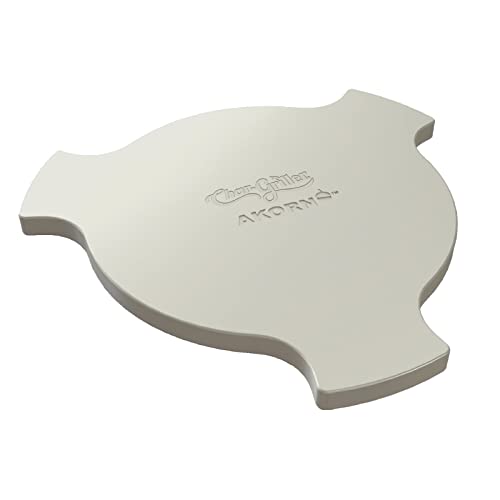
- ✓ Even perimeter heat
- ✓ Moist, tender results
- ✓ Easy to clean
- ✕ Adds some setup time
- ✕ Not universal to other brands
| Material | Cordierite composite |
| Heat Tolerance | Withstands temperatures over 1200°F |
| Heat Management | Perimeter heat diversion design for indirect convection-style cooking |
| Compatible Models | Char-Griller AKORN Kamado grills: models 16620, 26720, 06620, 6520 |
| Primary用途 | Low and slow smoking; moisture retention; baking and roasting (pizza, bread, cookies) |
| Accessory Type | Indirect heat convection insert / heat diffuser accessory |
You mount the Char-Griller AKORN’s indirect heat accessory and instantly sense how it tucks heat to the perimeter. It feels like you’ve turned a compact kamado into a true convection oven.
The cordierite ring sits sturdy, and you’ll hear a faint clink as you settle it in place.
Placement matters, and you’ll notice the heat curls around the edges rather than blasting from the center. That design keeps the center tender and helps you bake pizza, bread, or cookies without drying out the crust.
It’s almost surprising how evenly the temps read on the grate after a short warm-up.
In use, you’ll appreciate how the accessory integrates with your AKORN models 16620, 26720, 06620, and 6520. The perimeter-heating approach helps maintain moisture in larger cuts, which is ideal for low-and-slow sessions.
You’ll likely reach for it when you want predictable results without babysitting the grill.
The feel of the cordierite is reassuring, and it handles high temps without warping. Cleaning is straightforward, too—a quick brush and a wipe, then you’re back to smoking or baking.
I found it particularly handy for pizza night, where a crisp bottom and a soft top were easy to achieve.
If you’re chasing moisture, consistency, and a little extra baking versatility, this accessory slips into your AKORN setup and expands what you can do. It’s a small add-on that makes a big impact on cooking style and outcomes.
PARAGRAPH_BREAK
The system’s indirect heat approach helps you keep meat juicy during longer cooks. You’ll notice a gentler cook that reduces the need for constant flipping or foil protection.
It’s a welcome change for ribs and brisket alike.
PARAGRAPH_BREAK
Bottom line: it’s a simple upgrade that unlocks baking and slow-cooking versatility without crowding your grill space. You’ll appreciate the steady temps and the ability to multitask with pizza, bread, or cookies.
15” Half Moon Ceramic Heat Deflector Plates for Kamado Joe

- ✓ Strong heat diffusion
- ✓ Two-zone flexibility
- ✓ Durable ceramic
- ✕ Possible initial odor
- ✕ Requires preheating and ventilation
| Material | Cordierite ceramic (natural cordierite) |
| Finish/Design | 2-piece half-moon heat deflector plates for two-zone indirect cooking |
| Fits/Compatibility | Kamado Joe Classic I, Classic II, and Classic III grills |
| Recommended Use | Indirect cooking, smoking, roasting, baking; suitable for pizza, bread, ribs, brisket, chicken |
| Preheat Guidance | Preheat to 400°F (204°C) or higher in a well-ventilated grill; natural odor may occur during first cycle |
| Cleaning & Care | Cool completely before cleaning; scrub residue, rinse with warm water; avoid soap, detergent, oil, or grease to preserve porous surface |
The moment I lifted the box, the two half-moon ceramic plates slid out with a solid, reassuring heft. You can feel the quality in the matte ceramic texture and that clean, natural cordierite scent that comes with real ceramic parts.
They sit in your hand with a confident rigidity, not the hollow feel of cheap substitutes.
First grill day, I preheated to 400°F with the BTCDR plates in place. There’s a little warmth odor that fades quickly, then the stones glow a subtle, even amber.
The two-piece setup makes two-zone cooking a breeze, letting you split the heat without fighting the airflow. I could already tell these were built to evenly shield food from direct flame.
What surprised me is how quickly heat distributes across the grate once you’ve got them in. The cordierite retains heat well, so타 you’re getting steady temps across the whole cooking surface.
It’s ideal for pizza, bread, or slow-smoked recipes where you want predictable warmth without scorching edges.
Cleaning is straightforward: once cooled, a gentle scrape and warm rinse keeps the surface porous but clean. Just avoid soap or heavy oils that can clog the pores.
The plates look nearly new after a quick wipe, and there’s no warping or cracked edges after a few uses.
Fitment is spot-on for Kamado Joe Classic I, II, III, and you’ll appreciate the caution to compare dimensions with your original parts. If you’re swapping worn deflectors, the compatibility helps prevent guessing games mid grill day.
Overall, these plates strike a nice balance between durability, heat control, and practical two-zone cooking.
Bottom line: you get reliable heat diffusion, two-zone flexibility, and solid build for a reasonable price. They’re not flamboyant tech, just dependable performance that makes indirect cooking feel a lot more controllable.
Weber Charcoal Heat Controller for 22″ Kettle Grills

- ✓ Even indirect heat
- ✓ Efficient fuel use
- ✓ Easy cleaning
- ✕ Adds weight to lid access
| Product Type | Indirect heat charcoal grill add-on |
| Fuel Efficiency (Low-and-Slow runtime) | Up to 7 hours at 225°F–275°F using charcoal briquettes |
| Cooking Surface Coverage | Maximizes entire 22-inch cooking grate for indirect cooking |
| Direct Heat Capability | Searing/ convection heat through direct exposure and airflow |
| Moisture Management Feature | In-cab water pan space to enhance moisture and flavor during low-and-slow |
| Assembly / Cleaning | Removable 4-piece diffuser for deep cleaning and compact storage |
You’ve probably heard that indirect cooking on a Weber needs a fussy setup and a lot of babysitting. Spoiler: this thing changes that mindset.
The moment I dropped the 22″ kettle’s lid and watched the cone slide into place, I felt a calm I didn’t expect from a charcoal tweak.
The diffuser ring packs neatly, and you can see how it transforms the grate space. It doesn’t crowd the cooking area, which means you can sear a steak on one side and park a pork butt on the other without crowding.
I used a water pan for the low-and-slow sessions, and the moisture helped keep temps steady.
In practice, the airflow feels smart rather than forced. You get a clean line from 225°F up to 275°F with minimal fiddling.
The setup is surprisingly quick, and the 4-piece diffuser comes apart for a thorough clean—no dangling bits after meal cleanup.
Searing feels punchy thanks to the direct heat strategy, yet you’re never fighting for even convection when you’re going for crispy wings or vegetables. The unit sits securely on the 22″ grate, and the diffuser ring makes efficient use of the entire cooking area, which is perfect for larger cuts or ambitious cooks.
If you’re chasing consistency without a full pit crew, this is your move. It forgives early learning mistakes and scales up for backyard pros who want to optimize fuel use while maximizing space.
Overall, it’s a thoughtful upgrade that shifts your grill into a more confident, dialed-in mode.
SnS Slow ’N Sear Charcoal Basket for 18” Weber Kettles

- ✓ Pro-grade two-zone control
- ✓ Higher charcoal capacity
- ✓ Durable stainless build
- ✕ Adds height to setup
- ✕ Needs a dedicated grate
| Compatibility | Fits standard 18″ kettle grills |
| Material | Heavy-duty stainless steel |
| Heat Management System | Two-zone indirect/direct cooking with charcoal basket insert |
| Fuel Efficiency / Capacity | Increased charcoal capacity for extended cook times and fewer refills |
| Construction Strength | Resists warping and corrosion under high heat |
| Use Case / Applications | Ideal for smoking, roasting, indirect grilling and searing with improved airflow |
You notice the SnS Slow ’N Sear sitting on the table, and the first thing that grabs you is how solid the stainless feels in your hands. As you drop in the 18″ kettle insert, you can hear that reassuring clink of heavy steel settling into place.
When you light a chimney and slide it over, the airflow instantly shifts, and you catch that familiar, almost whispers-easy two-zone setup starting to take shape.
You test the two-zone idea by searing one side and low-and-slow on the other. The direct side already feels hot enough to kiss a steak, while the indirect side holds steady smoke with a calm, predictable rhythm.
It’s not just talk — you see the temp swing stay controlled, even as you add a few extra coals. That’s the magic of the increased charcoal capacity in action.
The build quality is noticeable. Stainless steel has that badge-on-a-flag durability, and the basket edges stay smooth to the touch, no sharp burrs catching your gloves.
It slides into your 18″ kettle with minimal fuss, and the design nudges you toward better airflow management right away. You’ll find the feel of the grate and the basket’s lattice working together to keep heat where you want it.
During longer cooks, like brisket or pork butt, you appreciate fewer refills and more consistent temps. You aren’t battling heat drift as much, and the system makes tweaking zones feel intuitive, not like a puzzle.
It’s easy to clean later, too, with the stainless surface resisting stubborn sticking after a thorough burn-off.
If you’re serious about dialing in indirect heat on a standard kettle, this is the upgrade that actually changes how you grill. It makes those two-zone cooks feel natural, like you’ve been doing it for years.
What is Indirect Heat Grilling and How Does It Work?
The benefits of using the best indirect heat grill include versatility and improved cooking results. Grilling with indirect heat allows for preparing a wider variety of dishes, from roasted vegetables to pizza, that may not be suitable for direct grilling. Additionally, this method can lead to healthier meals, as it reduces the risk of harmful carcinogens that can form when meats are exposed to high direct heat.
Best practices for indirect heat grilling include preheating the grill, maintaining a consistent temperature (typically between 225°F and 275°F for low-and-slow cooking), and using a meat thermometer to check for doneness. Utilizing a drip pan can also help manage moisture and prevent flare-ups, while adding wood chips to enhance the smoky flavor. Following these techniques can ensure that the food is cooked evenly and retains moisture, resulting in delicious grilled dishes.
What Key Features Define the Best Indirect Heat Grill?
The key features that define the best indirect heat grill include:
- Temperature Control: Precision in temperature regulation is crucial for indirect heat grilling, allowing for consistent cooking without flare-ups. The best grills often feature adjustable vents and built-in thermometers to maintain the desired heat level.
- Cooking Area: A spacious cooking area enables you to manage different food types simultaneously and utilize indirect heat effectively. Grills with multiple tiers or side burners provide versatility in cooking techniques and capacities.
- Material Quality: High-quality materials like stainless steel and cast iron enhance durability and heat retention. Grills that are well-constructed are typically better at evenly distributing heat and withstand weather elements.
- Fuel Type: The best indirect heat grills can utilize various fuel types, such as charcoal, propane, or wood pellets. Each fuel type can impart different flavors and heat characteristics, catering to users’ preferences for taste and cooking style.
- Ease of Use and Maintenance: User-friendly features such as easy ignition systems, removable grates, and grease management systems simplify the grilling process and clean-up. Grills designed for convenience help beginners and seasoned cooks enjoy the experience without excessive hassle.
- Versatility: A top indirect heat grill should offer various cooking methods, such as smoking, roasting, and baking. This versatility allows users to experiment with different recipes and techniques, making the grill a multifunctional cooking appliance.
How Does Indirect Heat Grilling Enhance Flavor and Texture?
Indirect heat grilling enhances flavor and texture by utilizing a cooking method that allows for even heat distribution and moisture retention.
- Even Cooking: Indirect heat grilling provides a consistent temperature across the cooking surface, allowing for uniform cooking of food. This method prevents the risk of burning the exterior while the interior remains undercooked, resulting in perfectly cooked meats and vegetables.
- Enhanced Flavor: Utilizing the indirect heat method allows for the infusion of smoky flavors from wood chips or charcoal, enhancing the overall taste of the food. As the food cooks slowly, it absorbs these flavors, creating a more complex and satisfying taste profile.
- Moisture Retention: Cooking with indirect heat helps retain moisture in the food, especially for larger cuts of meat. The gentle cooking process allows the natural juices to stay locked in, resulting in tender and juicy outcomes.
- Versatility: Indirect heat grilling is suitable for a wide range of foods, from large roasts and whole chickens to vegetables and even pizza. This flexibility allows for creativity in grilling, accommodating various recipes and cooking styles.
- Reduced Flare-Ups: Because food is cooked away from the direct flame, there is a significantly lower chance of flare-ups that can char or burn the food. This safety aspect not only enhances flavor but also ensures a cleaner cooking process.
What Advantages Can You Expect from Using an Indirect Heat Grill?
Using an indirect heat grill offers several advantages that enhance the grilling experience and the quality of the food prepared.
- Even Cooking: Indirect heat grilling allows for more uniform heat distribution, which prevents hot spots and ensures that food cooks evenly throughout. This technique is particularly beneficial for larger cuts of meat that require longer cooking times, as it helps achieve a consistent doneness without burning the exterior.
- Better Flavor Development: Cooking with indirect heat encourages the use of wood chips or charcoal, which can impart a rich, smoky flavor to the food. This method allows for slow cooking, which enhances the Maillard reaction, resulting in deeper, more complex flavors in meats and vegetables.
- Lower Risk of Burning: Since food is not exposed to direct flames, the risk of charring or burning is significantly reduced. This is particularly useful for delicate items like fish or vegetables, which can easily overcook or become charred when grilled directly over high heat.
- Flexibility in Cooking: Indirect heat grilling allows for a variety of cooking styles, including baking and roasting, enabling you to prepare a broader range of dishes. For example, you can bake desserts or roast vegetables while grilling meats simultaneously, making it a versatile cooking method.
- Moisture Retention: The indirect grilling process typically involves lower temperatures and longer cooking times, which helps retain moisture in the food. This results in juicier meats and more flavorful vegetables, enhancing the overall dining experience.
- Improved Safety: Indirect heat reduces flare-ups since food is not over direct flames, making it a safer option for grilling. This is especially important for those who are new to grilling or for families with children, as it minimizes the risk of burns and accidents.
Which Brands Are Leading in Indirect Heat Grill Technology?
The brands leading in indirect heat grill technology are:
- Weber: Renowned for its high-quality grills, Weber offers several models that excel in indirect heat cooking, particularly the Weber Genesis and Weber Spirit series. These grills are designed with excellent temperature control features, allowing for even cooking and perfect results for larger cuts of meat and slow-cooked dishes.
- Char-Broil: Known for affordability and functionality, Char-Broil provides a range of grills that incorporate indirect heat cooking options, such as their Infrared series. Their grills utilize infrared technology to distribute heat evenly, ensuring that food cooks thoroughly without direct flame, which is ideal for achieving juicy and tender results.
- Traeger: As a leader in pellet grills, Traeger specializes in indirect heat cooking by using wood pellets as fuel, which infuses food with rich flavors. Their digital controllers allow for precise temperature settings, making them perfect for smoking, grilling, and baking, while producing consistent and delicious results.
- Napoleon: This brand is known for its premium quality and innovative designs, with models like the Napoleon Prestige series that offer excellent indirect heat capabilities. The dual-zone cooking system allows users to create hot and cool zones on the grill, providing flexibility to cook various foods simultaneously with precision.
- Kamado Joe: Famed for its ceramic construction, Kamado Joe grills provide excellent heat retention and versatility for indirect cooking. The grill’s design allows for various cooking methods, including smoking and baking, making it a favorite among barbecue enthusiasts who appreciate the flavor and tenderness that indirect heat can achieve.
What Should You Know About the Maintenance of Indirect Heat Grills?
When maintaining indirect heat grills, there are several key aspects to consider for optimal performance and longevity.
- Regular Cleaning: It is essential to clean the grill grates and interior after each use to prevent buildup of grease and food particles. This not only ensures better flavor in future grilling but also reduces the risk of flare-ups and extends the life of the grill.
- Temperature Control: Monitoring and maintaining the right temperature is crucial for indirect grilling. This involves checking and adjusting the vents or using a thermometer to ensure even heat distribution, which is vital for slow-cooked meats.
- Fuel Management: Depending on whether your grill uses charcoal, propane, or wood, managing your fuel supply is important. For charcoal grills, ensure you have enough briquettes or lump charcoal; for gas grills, check the fuel tank level and inspect hoses for leaks.
- Regular Inspections: Regularly inspect your grill for wear and tear, including rust on grates and other metal components. This helps identify any issues early, such as cracks in the burner or damage to the ignition system, allowing for timely repairs before they lead to larger problems.
- Covering the Grill: Using a grill cover when not in use protects your grill from the elements, which can cause rust and degradation. A cover also prevents dust and debris from accumulating, making it easier to clean and maintain.
- Seasoning the Grates: To prevent food from sticking and to enhance flavor, it’s beneficial to season your grates periodically. This can be done by applying a thin layer of cooking oil to the grates and heating them, creating a non-stick surface that also protects against rust.
What Tips Can Help You Get the Most Out of Your Indirect Heat Grill?
To maximize your experience with the best indirect heat grill, consider the following tips:
- Preheat Your Grill: Ensuring your grill is adequately preheated helps create a consistent cooking environment, which is crucial for even cooking. A proper preheat can enhance the flavor of your food by allowing for better caramelization and achieving the desired grill marks.
- Use the Right Setup: Setting up your grill for indirect cooking typically involves placing the heat source on one side and your food on the other. This method allows food to cook slowly and evenly, reducing the risk of burning while still achieving that grilled flavor.
- Keep the Lid Closed: Keeping the grill lid closed while cooking helps maintain a stable temperature and creates an oven-like environment. This not only speeds up cooking time but also ensures that the smoke and flavors circulate around the food for a more intense taste.
- Monitor Temperature: Using a reliable thermometer to check the internal temperature of your food is vital for achieving the best results. This ensures that your food is cooked thoroughly and safely, especially with larger cuts of meat that benefit from slow cooking.
- Experiment with Wood Chips: Adding wood chips to the heat source can enhance the flavor of your grilled foods. Different types of wood impart unique flavors, allowing you to customize the taste of your meat or vegetables according to your preference.
- Rotate Your Food: Occasionally rotating your food can help achieve even cooking and prevent hot spots from overcooking parts of the meal. This technique is particularly useful for larger cuts of meat that require longer cooking times.
- Plan for Resting Time: Allowing your food to rest after cooking is crucial for retaining juices and enhancing flavor. Resting lets the internal temperature stabilize and the juices redistribute, resulting in a more tender and flavorful dish.