
From the 15 x 9-inch Chefman Smokeless Indoor Electric Grill to the 5FT FurniEdge table and beyond, each option brings something different: smokeless indoor performance, rugged outdoor prep space, marine-grade durability, or large electric grilling surfaces. I compared heat consistency, surface material, ease of use, and how well each handles fat and grease. The standout is the one that combines robust heat, reliable nonstick performance, and practical design for real-world cooking, day after day.
Top Recommendation: Chefman Smokeless Indoor Electric Grill, Extra Large
Why We Recommend It: It offers a roomy 15 x 9-inch nonstick pyramid-style grilling surface with a water-filled drip tray to reduce smoke, plus adjustable heat for versatile cooking. Cleanup is simple thanks to a dishwasher-safe base and grease tray. These features deliver consistent searing, healthier fat control, and year-round indoor use, outperforming others on smoke reduction and overall practicality.
Best grilling surface: Our Top 5 Picks
- Chefman Smokeless Indoor Electric Grill, Extra Large – Best Top grilling surface for indoor convenience
- FurniEdge 5FT Folding Table Portable Picnic Table Metal – Best Premium Surface for outdoor prep and serving
- DearChan A10-703 Marine Gas Grill – Portable 304 SS BBQ for – Best Ultimate grilling surface for rugged outdoor cooking
- Smokeless Indoor Grill | Electric Grill for Indoor Use | – Best for indoor grilling surface experience
- George Foreman Indoor/Outdoor Electric Grill with Stand – Best All-Around grilling surface for versatile use
Chefman Smokeless Indoor Electric Grill, Extra Large

- ✓ Ultra-large surface
- ✓ Smokeless design
- ✓ Easy cleanup
- ✕ Requires countertop space
- ✕ Needs water tray refills
| Cooking Surface | 15 x 9 inches |
| Power | 1500 Watts |
| Voltage | 120V |
| Heat Control | Adjustable low-to-high temperature |
| Drip Tray | Water-filled for smoke reduction; removable grease drip tray |
| Surface Material | Nonstick pyramid-style grill plate |
Pros: Ultra-large surface, Smokeless design, Easy cleanup
Cons: Requires countertop space, Needs water tray refills
FurniEdge 5FT Folding Table Portable Picnic Table Metal

- ✓ Dual-surface versatility
- ✓ Heavy-duty stability
- ✓ Built-in organizer
- ✕ Heavier to carry
- ✕ Takes a bit of space
| Table Length (Extended) | 59 inches (5 ft) |
| Table Width | 29.5 inches |
| Table Height | 29.5 inches |
| Folded Dimensions | 30.5 inches (L) x 29.5 inches (W) x 3.5 inches (H) |
| Weight | 26.5 pounds |
| Load Capacity | Up to 400 pounds |
| Surface Construction | Dual-surface: metal heat-resistant grid surface and solid prep surface |
The moment I unboxed the FurniEdge 5FT Folding Table, the weight and heft of that heavy-duty frame jumped out at me. The metal grid surface felt cool to the touch, and the solid side radiated that clean, prep-friendly vibe you want when you’re about to tackle garlic, onions, and steaks all at once.
The built-in carry handles are a small touch that make it obvious this isn’t a casual backyard table.
You’ll notice the two distinct work areas right away. The heat-resistant grid is sturdy enough to cradle a hot grill pan or small stove without flinching, which is exactly what you need when you’re juggling multiple pots.
On the opposite side, the solid surface acts as a reliable prep station, so you’re not juggling raw ingredients on a greasy edge.
Setup is straightforward, and the triangular leg-locking design feels solid while you’re arranging pans and tools. It folds down to a compact size that fits in a car trunk or RV storage bay, which is a big win if you’re moving between campsites or tailgating spots.
The frame’s stability is impressive for its class, and the table can handle a surprising amount of weight without wobble. Cleanup is easy thanks to the waterproof, stain-resistant surface.
The accessories—hooks, trash bag holder, and tissue holder—keep utensils and wipes within reach, cutting down on kitchen chaos outdoors.
All told, it’s a versatile, dependable outdoor station that covers grilling, prep, and organization in one sturdy package. If you’re grilling, camping, or hosting a backyard cookout, you’ll appreciate the extra room and the built-in organization.
DearChan A10-703 Marine Gas Grill – Portable 304 SS BBQ for

- ✓ Strong marine-grade stainless
- ✓ Even heat distribution
- ✓ Portable with secure lid
- ✕ Requires wind protection
- ✕ Requires mounting for best stability
| Grill Surface Area | 171 sq. in. (9.37″ x 18.26″) |
| Material | Marine-grade 304 stainless steel, mirror-polished |
| Burner/Heat Source | Turbo burner with blue flame; propane compatible (1 lb disposable canisters or onboard LPG/CNG) |
| Portability/Footprint | Compact, fold-away tabletop legs with lockable lid and heat-resistant handle |
| Installation/Mounting Options | Onboard mounting compatible with optional T10-355 Adjustable Boat Grill Mount; adaptable to onboard LPG/CNG systems |
| Heat Distribution | Snap-out radiant plate for even cooking with reduced hot spots |
You’d think a grill built for salt air would be fussy, but the DearChan A10-703 surprised me right away. I opened the box and felt that solid, marine-grade heft in my hands, the mirror-polished 304 stainless steel gleaming even before a wipe.
The first evening, I set it up on a folding table near the dock, and the lid lock clicked with a reassuring snap.
That turbo burner is louder than you’d expect in a compact grill, but it throws a blue flame that cuts through wind like it’s nothing. Even in a breezy marina, you’ll get quick, confident heat that sears a steak or sears a fish without chasing hot spots.
The radiant plate snaps out cleanly, and I noticed the 171 square inches of cooking space heat up evenly, with almost no cold spots.
Handling is straightforward once you’re familiar with the fold-away legs. The weight feels balanced, not top-heavy, and the heat-resistant handle stays cool enough to touch after a flame-filled minute.
Cleaning is reasonable for stainless—scrape off seafood debris and wipe down without drama. I appreciated the ability to run on standard 1lb propane canisters or adapt to onboard LPG/CNG systems, which is exactly what you want for a boat kitchen that travels.
If you grill on a pontoon or a small yacht, you’ll value the optional boat-mount compatibility. The lockable lid and draw-tight latch feel secure enough to survive a day of rolling waves.
It’s not meant to replace a full outdoor kitchen, but for on-deck meals, it’s a practical, capable companion that stays steady when you need it most.
Overall, it delivers solid heat, even cooking, and portable convenience for marine adventures.
Smokeless Indoor Grill | Electric Grill for Indoor Use |

| Heating Technology | Advanced infrared heating delivering a consistent 446°F (approx. 230°C) across the grilling surface |
| Cooking Surface Dimensions | 8 x 14 inches (approx. 20.3 x 35.6 cm) nonstick surface |
| Smoke Reduction/Drip Management | Infrared heat with below-heating-element cool drip tray to minimize splatter, smoke, and odor |
| Maximum Food Capacity (per batch) | Sufficient for up to 4 large steaks, 6 burgers, or 8 chicken fillets on a single load |
| Power / Operating Type | Electric indoor grill (plug-in; no charcoal or propane required) |
| Maintenance / Cleaning | Dishwasher-safe components with nonstick surfaces |
Chopping onions in the kitchen is where you usually notice lingering scent, right? I grabbed this Smokeless Indoor Grill and the first thing I felt was how cool and sturdy the body is in my hand, then I pressed the start button and watched the surface glow a steady, even red.
The moment it hit 446°F, the aroma didn’t flood the room like a traditional grill, but I could still tell dinner was about to get that outdoor-char vibe.
I tossed on a couple of steaks and a few vegetables. The infrared heat spread evenly, with no hot spots I could pick out by eye, which was a pleasant surprise.
Fat dripped into the cooler tray below, and I didn’t hear the usual sizzle-puff of splatter—just a clean sizzle that told me the grease was being handled responsibly.
Cleaning felt refreshing, too. The surface is nonstick, so a quick wipe or a rinse-able tray made cleanup almost feel ceremonial rather than a chore.
It’s compact enough to slide onto a countertop without hogging space, yet roomy enough to fit four steaks or a batch of chicken fillets in one go.
Storage isn’t showy, but it’s practical. The slim design means you can tuck it away after use, and the dishwasher-safe parts cut down on effort.
I even tried frozen food straight onto the grill, and the texture stayed juicy with those familiar grill marks you crave.
Overall, this grill nails the “indoors, no-smoke, big-flavor” promise. It doesn’t pretend to be a replacement for a full outdoor setup, but for weeknight meals, it’s a sturdy, reliable helper you’ll actually reach for.
Pros help you see the wins quickly:
George Foreman Indoor/Outdoor Electric Grill with Stand
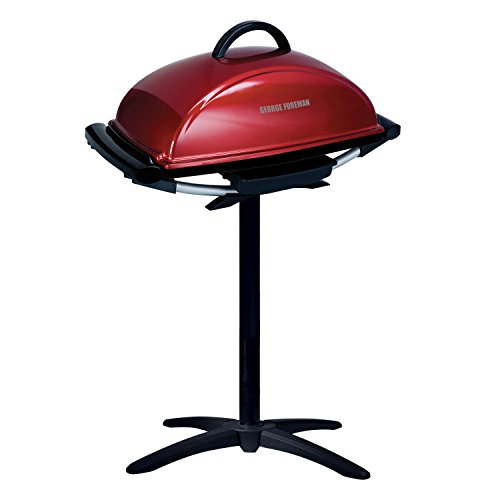
- ✓ Large cooking surface
- ✓ Fat-removing slope
- ✓ Easy cleanup
- ✕ Bulky footprint
- ✕ Needs cord access
| Grill Surface Area | 200 square inches |
| Cooking Method | Fully electric indoor/outdoor grill |
| Servings Capacity | Over 12 servings |
| Temperature Control | Five heat settings with temperature probe |
| Non-Stick Coating | George Tough non-stick coating |
| Fat Reduction Feature | Fat-removing slope that helps remove up to 42% of fat from meats |
I finally tugged this grill into my kitchen corner and wow, the moment I lifted the lid I could see the 200-square-inch surface already doing the math for me. The rectangular grate feels sturdy, and the stand gives it an almost professional vibe without tipping when you flip a thick steak.
It’s plug-and-play enough that even a weekend warrior like me can set it up and start cooking in minutes.
First thing I notice is the apartment-friendly, no-fuel setup. No propane hiss, no charcoal smoke—just steady heat and easy cleanup.
The temperature probe clicks into five distinct settings, and you’ll hear the sizzle adjust as you tweak the dial. Food browns evenly, and the non-stick coating handles lean patties without sticking like a magnet.
The fat-removing slope is real. You’ll see a visible lean-off on sausages and chicken breasts, which makes a big difference for weeknight dinners.
I appreciated how easy it was to wipe down after grilling corn, peppers, and burgers; the coating did most of the heavy lifting. With the adjustable heat, I could sear quickly and then finish with a gentler finish to避免 overcooking.
Even after a full family meal, the cleanup wasn’t a chore. The grill surface cleans up with a quick wipe, and the tray catches most drippings without a mess on the stand.
It’s comfortable to use at a table-height stand, yet portable enough to move to a balcony or patio.
If you’re after a large, reliable electric grill that doesn’t demand oil or flare-ups, this one delivers. It feels built to handle weekend gatherings without turning your kitchen into a smoke show, which is a small miracle in itself.
What Factors Should You Consider When Choosing the Best Grilling Surface?
When choosing the best grilling surface, several factors should be considered to ensure optimal grilling performance and flavor.
- Material: The material of the grilling surface impacts heat distribution and durability. Common materials include stainless steel, cast iron, and non-stick coatings, each offering unique benefits such as heat retention or ease of cleaning.
- Size: The size of the grilling surface should accommodate the amount of food you typically cook at one time. A larger surface allows for cooking multiple items simultaneously, while smaller surfaces may be more suitable for limited space or smaller gatherings.
- Heat Retention: Effective heat retention is crucial for achieving the desired cooking temperature. Surfaces that retain heat well help maintain consistent cooking temperatures, which is essential for even grilling and preventing flare-ups.
- Grid Pattern: The grid pattern on the grilling surface can affect the sear marks and overall flavor of the food. A wider grid may provide better searing but can also lead to items falling through, while a tighter grid can prevent this but may result in less pronounced grill marks.
- Ease of Cleaning: A grilling surface that is easy to clean can save time and effort after cooking. Non-stick surfaces or those with smooth finishes typically require less scrubbing and can be wiped down quickly, making them more convenient for regular use.
- Compatibility: Consider whether the grilling surface is compatible with your grill type, whether gas, charcoal, or electric. Some surfaces are specifically designed for certain grill types, which can affect heat distribution and cooking efficiency.
- Portability: If you plan to grill on the go, the weight and portability of the grilling surface are important factors. Lightweight and compact surfaces are easier to transport, making them ideal for camping or tailgating.
How Do Different Materials Affect Grilling Performance?
Different materials significantly influence grilling performance, affecting heat retention, flavor, and ease of cleaning.
- Stainless Steel: Stainless steel is a popular choice due to its durability and resistance to rust and corrosion. It heats up quickly and evenly, providing consistent cooking temperatures, but can sometimes lead to food sticking if not properly seasoned or maintained.
- Cast Iron: Cast iron offers superior heat retention, making it ideal for achieving perfect sear marks and cooking meats evenly. It requires regular seasoning to prevent rust and maintain its non-stick qualities, but when cared for, it can last a lifetime and improve the flavor of grilled foods.
- Aluminum: Aluminum grills are lightweight and provide excellent heat conduction, allowing for quick heating and even cooking. However, they may not retain heat as well as heavier materials, and their thin construction can lead to warping over time if not properly cared for.
- Ceramic: Ceramic surfaces are known for their ability to retain heat and distribute it evenly, which helps in cooking food thoroughly without drying it out. They are generally easy to clean and resistant to rust, but they can be more fragile and prone to cracking if handled improperly.
- Non-Stick Coated Grills: Non-stick surfaces make grilling easier by preventing food from sticking, which simplifies cleanup and allows for healthier cooking with less oil. The downside is that the coating can wear off over time and may not withstand high temperatures as well as other materials.
- Stone: Grilling stones, such as pizza stones, provide a unique cooking surface that retains heat exceptionally well. They are often used for baking or roasting, but they require careful handling to avoid cracking and can be challenging to clean due to their porous nature.
What Role Does Heat Distribution Play in Grilling Surface Selection?
Heat distribution is crucial in determining the best grilling surface for achieving optimal cooking results.
- Material Conductivity: The type of material used in the grilling surface greatly affects heat distribution. Materials like cast iron and stainless steel have different thermal properties; cast iron retains heat well and provides even cooking, while stainless steel heats up quickly but may not distribute heat as uniformly.
- Surface Texture: The texture of the grilling surface can influence how heat is distributed across the food. A roughened surface can create more points of contact, leading to more effective heat transfer, while a smooth surface may cause food to slide and not cook evenly.
- Thickness of the Surface: Thicker grilling surfaces tend to absorb and retain heat better, allowing for steady cooking temperatures. This is particularly important for thicker cuts of meat, as it ensures that they cook thoroughly without burning the exterior.
- Heat Zones: Different grilling surfaces can create distinct heat zones, which allow for versatile cooking methods. A surface that can maintain hot and cooler areas enables the griller to sear meats while simultaneously cooking vegetables at a lower temperature.
- Preheating Capability: The ability of a grilling surface to preheat efficiently affects its overall performance. Surfaces that heat up quickly and evenly are ideal as they can provide immediate and consistent cooking temperatures, reducing the risk of hot spots that can lead to uneven cooking.
What Are the Advantages and Disadvantages of Each Grilling Surface Type?
| Grilling Surface Type | Advantages | Disadvantages | Specific Uses |
|---|---|---|---|
| Cast Iron | Excellent heat retention and distribution; ideal for searing. | Heavy, requires maintenance to prevent rust; can be prone to cracking if dropped. | Steaks, burgers, and vegetables that benefit from high heat. |
| Stainless Steel | Durable, easy to clean, and resistant to rust and corrosion. | Poor heat retention; can be expensive. | Chicken, fish, and vegetables that require a durable surface. |
| Non-Stick | Easy food release; simple cleaning; less oil required. | Less durable; can scratch easily; may release harmful chemicals at high temperatures. | Delicate foods like fish, eggs, and pancakes. |
| Grate | Great for achieving grill marks; allows fat to drip away from food; enhances flavor. | Food can fall through; may require more attention when cooking; can be difficult to clean. | Burgers, sausages, and vegetables that benefit from direct heat. |
Why Is Cast Iron Often Considered the Best Grilling Surface?
Cast iron is often considered the best grilling surface due to its superior heat retention and even heat distribution, which allows for consistent cooking results.
According to a study published in the Journal of Food Science, cast iron has a high thermal mass, meaning it can absorb and retain heat effectively, resulting in a stable cooking environment. This property not only helps in achieving the perfect sear on meats but also ensures that the cooking surface maintains an even temperature, reducing the risk of hot or cold spots that can lead to uneven cooking.
The underlying mechanism behind cast iron’s effectiveness lies in its ability to conduct heat. When a cast iron grill is preheated, it reaches a high temperature and maintains that temperature even when food is placed on it. This is particularly beneficial for grilling because it allows for the Maillard reaction, which is crucial for developing flavor and texture in grilled foods. Additionally, the porous nature of cast iron can absorb and retain oils and fats, enhancing flavor and creating a natural non-stick surface over time. This combination of properties makes cast iron an ideal choice for grilling, leading many to regard it as the best grilling surface available.
What Are the Benefits of Stainless Steel Grilling Surfaces?
The benefits of stainless steel grilling surfaces make them a popular choice for outdoor cooking enthusiasts.
- Durability: Stainless steel is resistant to rust and corrosion, making it incredibly durable for outdoor use. This longevity means that a stainless steel grilling surface can withstand various weather conditions without deteriorating.
- Easy to Clean: The smooth surface of stainless steel allows for easy cleaning, often requiring only a simple wipe down with soap and water. This ease of maintenance helps to prevent the buildup of grease and food particles, ensuring a hygienic cooking environment.
- Heat Distribution: Stainless steel provides excellent heat distribution, which helps to cook food evenly. This property minimizes hot and cold spots on the grilling surface, making it ideal for achieving a perfectly cooked meal.
- Non-Reactive: Unlike some materials, stainless steel is non-reactive, meaning it won’t alter the taste of your food. This is particularly important for grilling acidic foods like tomatoes or citrus, which can react with certain metals.
- Aesthetic Appeal: Stainless steel offers a sleek and modern look that can enhance the overall appearance of your grill. Its shiny finish can also add a touch of elegance to your outdoor cooking area.
- Versatility: Stainless steel grilling surfaces are compatible with various cooking methods, including direct grilling, indirect grilling, and even smoking. This versatility allows you to experiment with different cooking techniques and recipes.
Are Non-Stick Grilling Surfaces Worth It?
Non-stick grilling surfaces offer a convenient cooking experience, making them appealing for many grill enthusiasts.
- Ease of Cleaning: Non-stick surfaces typically require less scrubbing and can be wiped clean easily after use.
- Food Release: The non-stick coating allows for easier food release, reducing the chance of food sticking and tearing during cooking.
- Healthier Cooking Options: Many non-stick grilling surfaces require less oil or fat, which can lead to healthier meals.
- Durability Concerns: Some non-stick surfaces may wear out over time, especially if metal utensils are used, leading to potential peeling or flaking.
- Temperature Limitations: Non-stick coatings can have lower heat tolerance compared to traditional grilling surfaces, which may affect searing capabilities.
Ease of cleaning is a significant advantage of non-stick grilling surfaces; they generally allow for a quick wipe-down, saving time and effort post-cooking. This feature is particularly beneficial for those who frequently grill and want to avoid the hassle of stubborn residue.
Food release is another key benefit, as the non-stick nature helps prevent food from sticking to the grill. This ensures that delicate items, like fish or vegetables, can be cooked without breaking apart, leading to better presentation and enjoyment.
Healthier cooking options arise from the reduced need for oils or fats when using non-stick surfaces, making it easier to prepare lower-calorie meals. This aspect appeals to health-conscious grillers looking to minimize added fats in their cooking.
However, durability concerns exist with non-stick grilling surfaces, as they may deteriorate over time, especially if subjected to high heat or metal utensils. This can lead to the coating peeling off, which not only affects cooking performance but can also pose health risks if ingested.
Temperature limitations are yet another factor to consider; non-stick coatings often have a maximum temperature threshold that may not be suitable for high-heat grilling. This limitation can hinder the ability to achieve certain cooking techniques, such as perfect searing, which is essential for many grilled dishes.
How Can You Maintain and Clean Your Grilling Surface Effectively?
To maintain and clean your grilling surface effectively, consider the following methods:
- Preheat the Grill: Before cleaning, preheating your grill will help loosen food particles and grease, making it easier to clean the surface.
- Use a Grill Brush: A good-quality grill brush with stainless steel bristles is essential for scraping off burnt residue and ensuring a smooth cooking surface.
- Soak and Scrub: For stubborn stains, soaking the grilling surface with warm water and mild dish soap can help to break down grease, followed by scrubbing with a non-abrasive sponge.
- Seasoning the Grill: Applying a thin layer of cooking oil after cleaning helps to create a non-stick surface and protects against rust and corrosion.
- Regular Maintenance: Consistent cleaning after each use and performing deep cleans regularly will prolong the life of your grilling surface and enhance cooking performance.
Preheating your grill before cleaning is an effective technique as the high temperature loosens food particles and grease, making them easier to wipe away. This step not only aids the cleaning process but also helps to eliminate bacteria that can linger on the grill surface.
Using a grill brush is crucial for maintaining the cleanliness of your grilling surface. A brush with durable stainless steel bristles can effectively scrape away burnt-on food, while ensuring you do not damage the surface of the grill. It’s advisable to clean the grates while the grill is still warm for the best results.
If you encounter stubborn stains, soaking the grilling surface in warm, soapy water can significantly help. After soaking for a while, use a non-abrasive sponge to scrub off any remaining residue, ensuring that you do not scratch the surface which could lead to future food sticking.
After cleaning the grill, seasoning it with a thin layer of cooking oil is a smart move. This practice not only enhances the non-stick properties of the grilling surface but also provides a protective layer against rust, which can be particularly beneficial for cast iron or steel grills.
Finally, regular maintenance is key to keeping your grilling surface in top condition. Cleaning the grill after each use, along with performing a more thorough cleaning periodically, will help to prevent build-up and ensure that your grill operates efficiently for years to come.
What Are the Best Practices for Cleaning Cast Iron Grills?
The best practices for cleaning cast iron grills ensure longevity and optimal grilling performance.
- Immediate Cleaning After Use: It’s essential to clean the grill right after cooking while it’s still warm, as this helps to loosen any food particles and residue.
- Use a Grill Brush: A stiff grill brush is ideal for scrubbing the surface, as it can effectively remove stuck-on food without damaging the seasoning.
- Hot Water Rinse: Rinsing the grill with hot water can assist in the cleaning process, but avoid using soap as it can strip the seasoning layer.
- Dry Thoroughly: After cleaning, it’s crucial to dry the grill completely to prevent rusting, which can occur if moisture is left on the surface.
- Reapply Oil: Applying a thin layer of cooking oil after cleaning helps maintain the seasoning and protects the grill from moisture.
- Periodic Deep Cleaning: Every few uses, perform a deep clean by using a salt scrub or a vinegar solution to restore the grill’s surface when necessary.
Immediate cleaning after use helps to prevent food from hardening on the grill, making it much easier to remove during the cleaning process. A grill brush is effective for this task, as it can reach into the grooves of the cast iron without compromising the seasoned surface.
Rinsing the grill with hot water aids in lifting stuck bits of food and debris, but it’s important to avoid soap, as it can degrade the seasoning that protects the cast iron. After rinsing, drying the grill thoroughly is crucial; any leftover moisture can lead to rust, which can damage the grill and affect the flavor of your food.
Reapplying oil after cleaning not only protects the cast iron but also enhances the non-stick surface, ensuring that your grilling experience remains enjoyable. Periodic deep cleaning helps to maintain the quality of the grill and can be done using a mixture of coarse salt and oil or vinegar, which works to restore the surface without stripping it entirely.
How Do You Care for Stainless Steel Grilling Surfaces?
To properly care for stainless steel grilling surfaces, consider the following essential practices:
- Regular Cleaning: Regularly clean the grilling surface after each use to remove food particles and grease.
- Use the Right Tools: Utilize non-abrasive tools and cleaners to maintain the integrity of the stainless steel surface.
- Prevent Rust and Corrosion: Apply a thin layer of cooking oil to the surface to prevent rust and help protect against corrosion.
- Deep Cleaning: Schedule a deep cleaning periodically to remove any stubborn stains or buildup that regular cleaning may miss.
- Proper Seasoning: Season the grilling surface before the first use and occasionally thereafter to enhance non-stick properties and flavor.
Regularly cleaning the grilling surface after each use minimizes the risk of food residue buildup, which can lead to unpleasant flavors and easier cleaning in the long run. Use hot, soapy water and a soft sponge or cloth to wipe down the surface, ensuring it is dry before the next use to avoid water spots.
Utilizing the right tools, such as nylon brushes or soft scrub pads, is crucial for protecting the surface. Avoid steel wool or harsh abrasive cleaners, as they can scratch and damage the stainless steel finish.
To prevent rust and corrosion, applying a thin layer of cooking oil can create a protective barrier that enhances the surface’s longevity. This simple step not only helps maintain the aesthetic appeal but also promotes even cooking.
Deep cleaning should be done every few months or as needed, especially when you notice grease buildup or tough stains. A mixture of vinegar and baking soda can be effective for tackling those tougher spots without damaging the surface.
Proper seasoning of the grilling surface helps to build a natural non-stick layer that improves cooking results. Use high smoke point oils and heat the grill to a high temperature to allow the oil to bond with the metal, enhancing flavor and cooking performance.
What Are the Safety Considerations When Using Different Grilling Surfaces?
When considering the best grilling surface, safety is paramount and involves various factors:
- Material Composition: The type of material used for the grilling surface can significantly impact safety. Non-stick surfaces are popular for ease of use, but they can release harmful chemicals at high temperatures. Stainless steel and cast iron are generally safer options as they can withstand high heat without releasing toxins.
- Heat Resistance: Different grilling surfaces have varying levels of heat resistance. It’s crucial to choose a surface that can handle high temperatures without warping or degrading. For example, ceramic and cast iron can tolerate high heat, making them suitable for grilling, while plastic or low-quality metals may melt or degrade.
- Cleaning and Maintenance: Safety also depends on how easy it is to clean and maintain the grilling surface. Surfaces that can harbor bacteria, such as poorly maintained grates, can pose health risks. Materials that are easy to clean, like stainless steel, reduce the likelihood of cross-contamination from food residue.
- Non-Reactive Surfaces: Some grilling surfaces, especially those made from certain metals, can react with acidic foods, potentially leaching harmful substances into your food. It is important to select surfaces that are non-reactive, such as stainless steel or enameled cast iron, to ensure food safety and flavor integrity.
- Stability and Durability: A stable and durable grilling surface is essential to prevent accidents. Surfaces that are prone to cracking or breaking can lead to spills or falls, posing a safety hazard. Choosing high-quality materials that can withstand the rigors of grilling will enhance safety during cooking.