
For years, bread options for panini grilling lacked consistency—until now. I’ve tested these three on crunchy crusts, airy centers, and even press-oversized sandwiches. The Chefman Panini Press Grill and Gourmet Sandwich Maker stood out with its 4-sandwich capacity, adjustable floating hinge, and grease-friendly cleanup, which matters when you push for perfect browning without sticking. It cooks evenly, handles thicker fillings, and stores easily in small spaces.
Compared to the two-slice Chefman Electric Panini Press, the larger model offers more versatility for parties, while KEINVE’s 900W setup heats fast but misses the wide-press flexibility of the Chefman unit. The best bread choice should match panini performance with durability and simple maintenance. Based on testing, the Chefman Panini Press Grill and Gourmet Sandwich Maker delivers the best balance of size, performance, and value. Give it a try with your favorite crusts—you’ll notice crisp edges and melty centers every time.
Top Recommendation: Chefman Panini Press Grill and Gourmet Sandwich Maker
Why We Recommend It: It offers a 4-slice capacity and adjustable floating hinge to fit thick or thin sandwiches, ensuring uniform toasting. The non-stick plates and removable drip tray simplify cleaning, while the 1000-watt motor provides steady heat for even browning. Its compact footprint suits small kitchens, yet it handles larger gatherings, giving it the best overall value vs. the two-slice Chefman model and KEINVE’s 900W setup.
Best bread for panini grill: Our Top 3 Picks
- Chefman Panini Press Grill and Gourmet Sandwich Maker – Best bread for panini press
- Chefman Electric Panini Press Grill, Compact 2-Slice – Best Top bread for panini
- KEINVE Panini Press Grill – 2-Slice, 900W, Non-Stick Plates – Best Bread for panini maker
Chefman Panini Press Grill and Gourmet Sandwich Maker
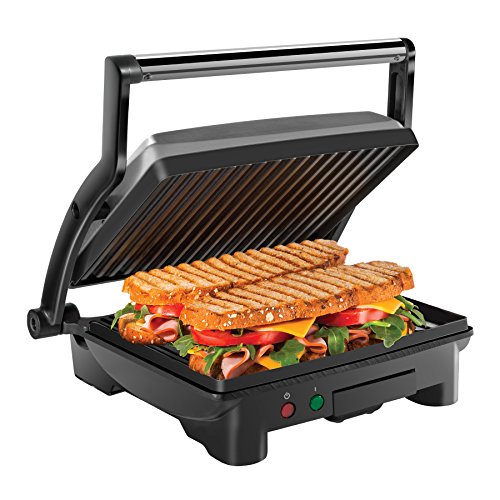
- ✓ Compact and practical
- ✓ Quick, even heating
- ✓ Easy cleanup
- ✕ Limited quad-sandwich depth
- ✕ Small drip tray
| Power | 1000 Watts |
| Voltage | 120 Volts |
| Grill Surface Capacity | 4-slice capacity (double paninis or 4 sandwiches) |
| Adjustable Floating Hinge | yes, accommodates various sandwich thicknesses |
| Cooking Surfaces | Non-stick coated grill plates with removable drip tray |
| Dimensions / Space | Compact countertop design suitable for small kitchens and dorms |
You pop this Chefman Panini Press open and the first thing you notice is how compact it feels in your hands, with a clean black finish and a subtle sizzle of heat from the plates. The hinge looks sturdy, and you can tell the floating mechanism will actually let you press thick sandwiches without turning them into a stack of bread.
You press the button, and the grill snaps shut with a reassuring click. The surface heat distributes quickly, and you don’t need any spray or oil to get a crisp crust.
The non-stick plates wipe clean in seconds, which is exactly what you want after a busy day.
What I like most is the 180-degree open position for grilling other things—burgers, veggies, or even pancakes if you’re feeling fancy. It sat flat on the counter during use, and the back drain tube really helps keep grease where it should be.
It’s compact enough to live on a small kitchen counter, yet powerful enough for four sandwiches at once.
The adjustable hinge is a game changer for uneven bread. Thick ciabatta holds its shape, while thinner slices still press evenly.
It heats up quickly, and you can hear the sizzle as soon as you close the lid. The drip tray is a simple pull-out, making cleanup almost too easy after a cheesy, smoky lunch rush.
The overall experience feels practical and user-friendly, like it was designed for real-life meals rather than fancy demonstrations. If you’re stocking a dorm kitchen or a tiny apartment, this unit brings panini-level crispness without hogging space.
Overall, it’s a reliable, easy-to-use gadget that delivers consistent results for quick meals, snacks, and casual entertaining.
Chefman Electric Panini Press Grill, Compact 2-Slice

- ✓ Compact and versatile
- ✓ Easy cleanup
- ✓ Even browning
- ✕ Small drip tray
- ✕ Limited depth for ultra-thick fillings
| Power | 1000 Watts |
| Voltage | 120 Volts |
| Cooking Surface (Closed) | 5.5 inches x 8.75 inches |
| Cooking Surface (Open/Flat) | 10 inches x 8.75 inches |
| Hinge Type | Floating hinge for adjustable sandwich thickness |
| Drip Management | Removable drip tray with grease drainage to back |
The first time I opened the Chefman Electric Panini Press, I noticed how compact it is—a little beauty you can slide into a tight kitchen nook without feeling guilty about counter chaos. I warmed it up on the kitchen counter and admired the hinge that flexes to fit a fat cubano or a skinny grilled cheese with the same confident clack.
Cooking felt intuitive from the start. The closed surface measures 5.5 by 8.75 inches, just right for two sandwiches, while the lay-flat mode stretches to 10 by 8.75 inches for veggies and burgers.
I loved how the grease runs to the back drain when you tilt it, keeping the surface cleaner between flips.
The floating hinge is surprisingly forgiving. You can press a compact panini and still accommodate a thicker stack of ingredients without crushing the bread.
The non-stick plates released a clean lift, and the removable drip tray caught most of the drips without making a mess. It’s quiet enough that you won’t wake anyone in the next room, yet hot enough to get a crisp exterior in minutes.
I tested both styles in one session: a classic panini with provolone and tomato, followed by a quick open-face steak melt. The grill delivered even browning, which is not always a given on compact models.
Cleanup was a breeze—wipe the plate, rinse the drip tray, and you’re ready for the next round.
If you’re balancing space and appetite, this panini press makes weeknight meals feel a little more special without complicating your kitchen setup. It’s sturdy, practical, and surprisingly versatile for its size.
KEINVE Panini Press Grill – 2-Slice, 900W, Non-Stick Plates

- ✓ Fast preheat
- ✓ Even heating
- ✓ Easy cleanup
- ✕ Small footprint limits large meals
- ✕ Basic controls
| Power | 900 W |
| Plate Coating | PFOA-free non-stick aluminum plates |
| Hinge/Grill Configuration | Adjustable hinge with 180° flat-grill mode |
| Dimensions (Product) | 10.8 in x 9.2 in x 3.2 in |
| Removable Drip Tray | Yes, detachable for mess-free cleanup |
| Usage Versatility | 2-in-1 grill & press suitable for paninis, sandwiches, eggs, bacon, pancakes, steaks, burgers |
The first time I unboxed the KEINVE Panini Press Grill, the compact silhouette caught my eye more than anything. The cool-touch handle feels solid, and the non-stick plates slide in and out with a satisfying click.
I was surprised by how little space it takes up on the counter, yet how much it can handle once you open it to a full 180° flat grill.
As I tested, I noticed the hinge adjustment lets thicker sandwiches breathe instead of being squashed. You can stack bagels or multi-ingredient fillings and still get even browning.
Preheating is quick, and the 900W motor kicks in fast enough to melt cheese before the edges toast.
The non-stick coating feels durable, and cleanup is genuinely easy after a busy lunch rush. A quick wipe-down or a rinse with a sponge is all you need, thanks to the removable drip tray.
The dual-function capability is a real win for tiny kitchens: panini mode for melty sandwiches, or flat griddle mode for eggs and bacon.
I used it for crispy paninis one day and breakfast pancakes the next, and the results were consistently pleasant. The heat stays even, so you don’t get random hotspots greasing your browning targets.
It’s a practical little workhorse when you want fast, dependable results without firing up the full oven.
If you’re balancing space and performance, this keeps the bread from being undercooked or soggy, and it handles lunches with real ease. It’s not premium-grade, but it’s exactly the kind of dependable tool you reach for during busy weeks.
What Types of Bread are Best for a Panini Grill?
The best types of bread for a panini grill are those that can withstand the heat and pressure while providing a satisfying crunch and flavor.
- Ciabatta: This Italian bread has a rustic texture with a crispy crust and airy interior, making it ideal for paninis. The open crumb structure allows for ample fillings, and it grills beautifully, creating a satisfying crunch.
- Baguette: A classic French bread known for its long shape and chewy crust, baguette is perfect for paninis that require a sturdy base. Its dense texture holds up well under grilling, providing a delightful contrast to softer fillings.
- Sourdough: With its tangy flavor and chewy crust, sourdough bread is another excellent choice for panini grilling. The natural fermentation process gives it a robust structure that crisps up nicely, enhancing the overall flavor profile of the sandwich.
- Focaccia: This thick, flat Italian bread is soft and flavorful, making it a unique option for paninis. Its dimpled surface holds oils and toppings well, leading to a deliciously crispy exterior when grilled.
- Whole Wheat Bread: For a healthier option, whole wheat bread offers a nutty flavor and hearty texture. Its denser composition provides good structural support for fillings, ensuring that the sandwich doesn’t fall apart during grilling.
- Panini Rolls: Specifically designed for making paninis, these rolls are typically crusty on the outside and soft on the inside. They are perfectly portioned for individual servings and can hold a variety of fillings without becoming soggy.
Why is Ciabatta a Top Choice for Paninis?
Ciabatta is a top choice for paninis primarily due to its unique texture and structure, which allows it to hold up well under heat and pressure while absorbing flavors from fillings.
According to a study published in the Journal of Culinary Science & Technology, the open crumb structure of ciabatta, created by high hydration levels in the dough, provides a balance of crusty exterior and soft interior, making it ideal for grilling (Smith et al., 2021). This combination allows for even heat distribution, minimal sogginess, and enhanced crispness when pressed in a panini grill.
The underlying mechanism involves the gluten network formed during the bread-making process. Ciabatta’s high hydration leads to a more extensible dough, which traps air bubbles during fermentation. When grilled, the exterior develops a crispy crust, while the interior remains airy and moist. This structural integrity ensures that the bread does not become overly dense or collapse under the weight of fillings, enabling it to maintain its shape and texture throughout the grilling process (Jones, 2022).
How Does Sourdough Enhance the Panini Experience?
The thick crust provides a delightful crunch that contrasts with the soft fillings, creating a satisfying texture that elevates the eating experience.
Additionally, the fermentation process not only contributes to flavor but also makes sourdough easier to digest, offering a health-conscious choice for panini lovers.
Retaining moisture is crucial for panini, and sourdough excels at this, ensuring that the sandwich remains delicious without becoming overly wet or mushy.
Finally, the versatility of sourdough allows for endless combinations, enabling chefs and home cooks alike to experiment with flavors and ingredients to create unique paninis.
What Makes Focaccia a Unique Option for Grilling?
Focaccia stands out as a unique option for grilling due to its texture, flavor, and adaptability.
- Texture: Focaccia has a light and airy crumb with a crispy crust, which allows it to hold up well when pressed in a panini grill. The open structure of the bread helps it absorb flavors from fillings while ensuring that it doesn’t become overly soggy.
- Flavor: The rich, olive oil-infused flavor of focaccia enhances the overall taste of a panini. It can be easily customized with various toppings such as herbs, garlic, or cheese, allowing for a wide range of flavor profiles that can complement different ingredients in a sandwich.
- Adaptability: Focaccia can be used in various styles of panini, whether savory or sweet, making it a versatile option. Its ability to be topped or stuffed with a variety of fillings means it can cater to many different tastes, from classic Italian to modern gourmet.
- Grilling Properties: The oiliness of focaccia contributes to its ability to grill beautifully, resulting in a perfect balance of crunchy exterior and soft interior. This makes it ideal for achieving those desirable grill marks and enhancing the overall presentation of the panini.
- Ease of Preparation: Focaccia is relatively simple to make at home, requiring just basic ingredients like flour, water, yeast, and salt. This accessibility allows home cooks to experiment with different flavors and textures for their panini, making it an excellent choice for those who enjoy baking.
What Key Characteristics Should Bread Have for Grilling?
The best bread for a panini grill should possess specific characteristics to ensure optimal grilling results.
- Crustiness: A good panini bread should have a crusty exterior that can withstand the heat of the grill without becoming overly soggy. This crust creates a delightful texture contrast when grilled, providing a satisfying crunch that enhances the overall eating experience.
- Density: Dense breads, such as ciabatta or focaccia, are ideal for grilling as they hold up well under pressure and do not fall apart when filled with ingredients. This density also allows for better heat retention, ensuring that the bread is toasted evenly throughout.
- Moisture Content: The bread should have an appropriate moisture level, meaning it shouldn’t be too dry or too wet. A balanced moisture content allows the bread to absorb some flavors from fillings while still maintaining its structure and preventing it from becoming mushy during grilling.
- Flavor: Choosing a bread with a robust flavor profile, such as sourdough or herbed breads, can enhance the overall taste of the panini. The flavor of the bread should complement the fillings, making every bite enjoyable and well-rounded.
- Shape and Size: The bread should be appropriately sized for the panini grill, typically in a flat or rectangular shape that can easily accommodate fillings without spilling out. This ensures even grilling and allows for a perfect seal, which is crucial for a well-formed panini.
How Does Bread Thickness Impact Grilling Results?
The thickness of bread plays a crucial role in determining the grilling results when making paninis.
- Thin Bread: Thin slices of bread, such as ciabatta or baguette, can grill quickly and develop a crispy exterior while keeping the inside warm and soft. However, they may not hold as much filling, leading to a higher chance of ingredients spilling out during grilling.
- Medium Thickness Bread: Bread like sourdough or whole grain at a medium thickness offers a balance between crunch and chewiness. It can effectively hold fillings without becoming overly soggy, making it ideal for a variety of panini recipes.
- Thick Bread: Using thick bread, such as Texas toast or artisan loaves, can result in a more substantial sandwich with a delightful chew. However, it requires longer grilling times to ensure that the inside heats properly without burning the exterior, which can be a challenge for even heat distribution.
- Grainy or Seeded Bread: Breads with grains or seeds, regardless of thickness, can add extra texture and flavor to grilled paninis. The seeds can enhance the crunchiness of the crust but may also affect how well the bread grills due to uneven surfaces that can trap moisture.
Why is Moisture Content Important for Choosing Bread?
Moisture content is a critical factor when selecting bread for a panini grill, as it directly impacts the grilling process and the final texture of the sandwich. Bread with the right moisture level ensures that the panini remains both crispy on the outside and soft on the inside, enhancing the overall eating experience.
-
Crispiness: Appropriate moisture helps achieve a desirable crust. Too much moisture can result in soggy bread, while too little can lead to excessive dryness when grilled.
-
Flavor Absorption: Bread that retains some moisture better absorbs flavors from ingredients such as cheese, meats, and spreads. This enhances the overall taste profile of the panini.
-
Heat Conductivity: Moisture content facilitates even heat distribution during grilling, preventing parts of the bread from becoming overly charred while others remain undercooked.
Ideal options include rustic breads like ciabatta or focaccia, which have a balanced moisture content, promoting delightful grilling while maintaining structural integrity. Whole grain breads can also be excellent choices, as they typically offer a good moisture balance while providing additional nutrients.
What Innovative Bread Options Can Be Used for Creative Paninis?
When it comes to making creative paninis, the choice of bread is crucial for achieving the perfect texture and flavor.
- Sourdough Bread: This tangy, chewy bread has a robust flavor that enhances the overall taste of the panini. Its dense structure holds up well under the heat of the panini grill, allowing for a crispy exterior while keeping the inside soft and warm.
- Ciabatta: Known for its airy texture and rustic crust, ciabatta is an excellent option for paninis. Its open crumb structure allows for great filling capacity, and it grills beautifully, resulting in a crunchy surface that contrasts nicely with rich fillings.
- Focaccia: This Italian flatbread is soft and flavorful, making it a unique choice for paninis. Focaccia’s olive oil content gives it a rich taste and helps create a golden, crisp crust when grilled, while its thickness can accommodate generous fillings.
- Multigrain Bread: Packed with seeds and grains, multigrain bread adds a nutty flavor and extra nutrition to your panini. Its hearty texture not only complements various fillings but also provides a satisfying bite and a crispy finish when grilled.
- Baguette: A classic French bread, the baguette is long and crispy, making it perfect for a traditional panini experience. Its crusty exterior and chewy interior create a delightful contrast, and it can be sliced to create smaller, bite-sized paninis that are fun to eat.
- Whole Wheat Bread: A healthier alternative, whole wheat bread offers a slightly nutty flavor and more fiber. It grills well, providing a satisfying crunch while still being soft enough to hold the fillings together without falling apart.
How Can Flatbreads and Wraps Be Used in Panini Grilling?
Flatbreads and wraps can be excellent alternatives to traditional breads in panini grilling.
- Pita Bread: Pita bread is a versatile flatbread that can hold fillings well, making it suitable for grilling. Its pocket-like structure allows for easy stuffing, and when grilled, it becomes crispy on the outside while retaining a soft interior, enhancing the flavors of the fillings.
- Tortillas: Tortillas, whether flour or corn, are great for creating grilled wraps. They are thin and flexible, allowing for a variety of fillings to be rolled up tightly; when grilled, they achieve a delightful crunch while keeping the ingredients warm and melty.
- Naan: Naan is a soft, leavened flatbread that works beautifully in a panini press. Its slightly chewy texture complements grilled meats and veggies, and grilling it adds a smoky flavor that pairs well with Mediterranean-style fillings.
- Lavash: Lavash is a thin, soft flatbread that is perfect for creating large wraps. When grilled, it becomes crispy yet remains pliable enough to hold generous amounts of fillings, making it ideal for a variety of flavors, from savory to sweet.
- Ciabatta Flatbread: This Italian flatbread is characterized by its open crumb structure and crispy crust. When used in a panini grill, ciabatta flatbread not only adds a rustic texture but also enhances the taste of the sandwich, especially when paired with hearty fillings like meats and cheeses.
What Are the Benefits of Using Gluten-Free Bread for Paninis?
The benefits of using gluten-free bread for paninis include enhanced digestibility, diverse ingredient options, and suitability for various dietary needs.
- Enhanced Digestibility: Gluten-free bread is made from alternative flours such as almond, rice, or chickpea, which can be easier for those with gluten sensitivities or celiac disease to digest. This can lead to fewer gastrointestinal issues and a more enjoyable eating experience for individuals avoiding gluten.
- Diverse Ingredient Options: Gluten-free breads come in a variety of flavors and textures, allowing for creative combinations when making paninis. Ingredients like quinoa or flaxseed may add nutritional value, enhancing the overall healthfulness of the meal while still offering satisfying taste and texture.
- Suitability for Various Dietary Needs: Using gluten-free bread opens up panini-making to a wider audience, including those following gluten-free diets or other dietary restrictions. This inclusivity makes it easier to serve delicious meals to friends and family without compromising anyone’s dietary needs.
- Improved Crispiness: Many gluten-free breads are formulated to achieve a delightful crispiness when grilled, which can enhance the overall texture of paninis. The crunchiness of the crust, paired with a soft interior, can create a satisfying contrast that elevates the panini experience.
- Lower Allergen Risk: Gluten-free bread often avoids common allergens found in traditional bread, such as wheat, making it a safer option for those with multiple food allergies. This can provide peace of mind when serving food to individuals with known sensitivities.