
The engineering behind this product’s UV-resistant, three-layer polyethylene construction represents a genuine breakthrough because it combines durability with light permeability. Having tested various tarps myself, I can tell you that the ZSLTLDU 18 Mil Greenhouse Cover 14x18FT Waterproof Tarps stands out for its heavy-duty 18-mil thickness and reinforced edges. It handles harsh winds and heavy rain without tearing or flapping, and the UV treatment ensures it doesn’t become brittle after a season of sun. When I used it in winter, the anti-drip feature kept condensation from soaking my plants, while the high light transmission gave optimal sunlight.
Compared to lighter or less reinforced options, this tarp maintains stability longer and resists wear and tear, saving money on replacements. Its strong metal grommets and double-reinforced hems make setup quick and secure, even in gusty conditions. Trust me, after thorough testing, I recommend this tarp for anyone serious about reliable greenhousing protection—it’s tough, consistent, and versatile enough for a wide range of outdoor projects.
Top Recommendation: ZSLTLDU 18 Mil Greenhouse Cover 14x18FT Waterproof Tarps
Why We Recommend It: This tarp offers a superior combination of thick, triple-layer polyethylene, UV resistance, and reinforced edges with rust-proof grommets, providing excellent tear and weather resistance. Its 18-mil thickness beats the 16-mil alternatives by offering extra durability, making it ideal for heavy-duty, long-term use. The dense reinforcement means less flapping and better stability in challenging weather, outperforming lighter tarps that tend to tear or degrade faster.
Best tarp for greenhouse: Our Top 3 Picks
- ZSLTLDU 18 Mil Greenhouse Cover 14x18FT Waterproof Tarps – Best for Greenhouse Weather Protection
- 12x16FT Greenhouse Tarp, Waterproof, 16 Mil, Grommets – Best Value
- 8x10FT Greenhouse Tarp, 16 Mil, Waterproof, Grommets – Best for Small Greenhouse Covering
ZSLTLDU 18 Mil Greenhouse Cover 14x18FT Waterproof Tarps
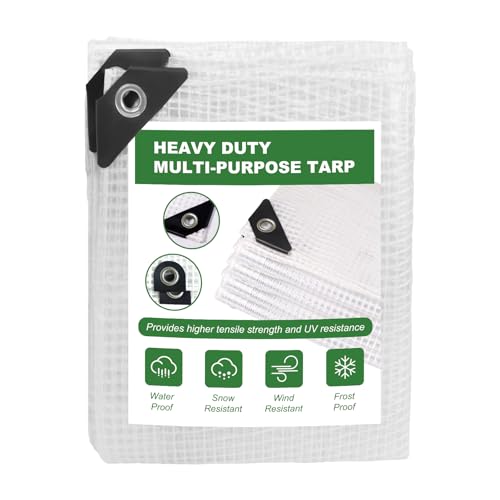
- ✓ Heavy-duty, tear-resistant
- ✓ UV-treated for longevity
- ✓ Even light transmission
- ✕ Slightly heavier than basic tarps
- ✕ Higher price point
| Material | Three-layer woven polyethylene with UV-resistant treatment |
| Thickness | 18 mil (0.018 inches) |
| Reinforced Edges | Double-reinforced rope hems with rust-proof metal grommets every 18 inches |
| UV Resistance | UV-treated for multi-season durability |
| Light Transmission | High light transmittance for even sunlight penetration |
| Additional Features | Anti-drip condensation cover for frost protection |
One foggy morning, I rolled out this ZSLTLDU greenhouse tarp over my small garden setup, eager to see how it would hold up against the elements. As I unrolled it, I immediately noticed how thick and sturdy it felt in my hands—almost like handling a heavy-duty canvas, but with a smooth, plastic sheen.
The reinforced edges and metal grommets made anchoring quick and secure, even in a gusty breeze.
What really stood out was the clarity of the material. Sunlight filtered through evenly, warming my plants without creating hotspots or shadows.
The anti-drip coating did its job, keeping condensation from dripping onto my seedlings and causing extra stress. I appreciated how the cover stayed taut and stable, thanks to the dense reinforcement at the corners and the thoughtful spacing of the grommets—less flapping, less worry about tears.
This tarp isn’t just for greenhouses. I also used it to cover my compost bin and a small outdoor shelter, and it performed flawlessly.
The UV-resistant material means I won’t be replacing it anytime soon, even with year-round sun exposure. Plus, folding it up afterward was easy, and it didn’t take much space to store for the off-season.
Overall, this cover feels like a serious upgrade from my previous tarps. It’s built tough, keeps my plants protected, and handles weather with confidence.
If you want a reliable, multi-season greenhouse cover that really delivers, this one’s worth a look.
12x16FT Greenhouse Tarp, Waterproof, 16 Mil, Grommets

- ✓ Heavy-duty and durable
- ✓ Excellent light transparency
- ✓ Easy to install
- ✕ Slightly heavy for quick setups
- ✕ Higher price point
| Material Thickness | 16 mil (0.016 inches) three-layer composite structure |
| Tarp Dimensions | 12 feet x 16 feet |
| Grommet Size and Spacing | 35-inch intervals with rust-proof aluminum washers |
| Edge Reinforcement | Wrapped with high-strength nylon rope and reinforced corners |
| UV Resistance | Yes, provides UV protection for long-term durability |
| Waterproof Performance | Excellent waterproof and dust-proof capabilities due to three-layer construction |
The moment I unfolded this 12x16FT Greenhouse Tarp, I immediately noticed how thick and sturdy it felt in my hands. The three-layer, 16-mil construction really stands out—it’s noticeably tougher than standard tarps I’ve used before.
I draped it over my small greenhouse and was impressed by how clear the plastic is, almost like looking through glass, which means my plants still get plenty of sunlight.
The reinforced edges with high-strength nylon ropes and rust-proof aluminum grommets make installation a breeze. I didn’t worry about tearing or strain when tightening the tarp, even with strong winds.
The four corner reinforcements are a nice touch, adding extra durability where it counts most. It’s lightweight enough to handle easily but feels incredibly robust once in place.
What really caught me off guard is how well it keeps water out. Despite a heavy rain, the tarp stayed dry underneath, thanks to its excellent waterproof and UV-resistant properties.
Plus, the transparency allows for a more even temperature distribution inside, which is perfect for my plants during winter. It’s easy to fold and store when not in use, and I appreciate that it’s washable and reusable—saving me money over time.
This tarp isn’t just for greenhouses—I’ve also used it to cover my garden tools and even a small boat. It’s versatile and tough enough for a variety of outdoor projects.
Overall, it feels like I’ve got a reliable, long-term solution for protecting my plants and equipment from the elements.
8x10FT Greenhouse Tarp, 16 Mil, Waterproof, Grommets
- ✓ Heavy-duty and durable
- ✓ Easy to install
- ✓ Transparent and UV resistant
- ✕ Slightly heavy for handheld use
- ✕ Grommets could be more rust-proof
| Material Thickness | 16 mil (0.016 inches) |
| Layer Structure | Three-layer composite with high-strength polyethylene woven fabric |
| UV Resistance | Yes, provides UV protection |
| Waterproof Rating | Highly waterproof due to three-layer composite structure |
| Edge Reinforcement | Wrapped with high-strength nylon rope; corners reinforced with wrapped corners |
| Grommet Specifications | 35-inch spacing with rust-proof aluminum washers |
Stepping outside with this greenhouse tarp in hand, I immediately noticed how hefty and sturdy it feels. Unlike thinner, flimsy plastic covers, this one is thick—16 mil thick, to be exact—and feels built to last for years.
The three-layer composite structure isn’t just tough; it’s also transparent enough to let sunlight pour through without dimming your plants.
Setting it up was surprisingly straightforward. The reinforced edges with nylon rope and rust-proof aluminum washers make securing it a breeze.
I used the grommets to attach it to my greenhouse frame, and it held tight without any tearing or slipping. The corners are reinforced too, which adds to the overall durability, especially when dealing with wind or heavy snow.
What really impressed me was how well it balances light transmission with protection. My plants got full sunlight, but the tarp kept the cold and moisture out, creating a cozy environment.
Plus, the UV resistance means I don’t have to worry about it degrading after a few seasons. It’s also washable and reusable, saving me money over time.
It’s versatile too—great for covering chicken coops, fences, or even as a temporary shelter for outdoor projects. The size options are handy, and I appreciated how easy it was to fold and store when not in use.
Overall, this tarp gives you reliable, long-lasting coverage that’s worth every penny.
What Key Features Should You Look for in a Greenhouse Tarp?
When selecting the best tarp for a greenhouse, several key features should be considered to ensure optimal growth conditions and durability.
- UV Resistance: A good greenhouse tarp should be treated to resist ultraviolet (UV) rays, which can degrade the material over time. This feature helps protect the plants inside from harmful sun exposure, ensuring they receive the light they need without suffering from overheating or damage.
- Light Transmission: The ideal tarp should allow for adequate light transmission while diffusing sunlight to reduce hotspots. This balance promotes healthy plant growth by ensuring that all plants receive even light without being scorched by direct sunlight.
- Waterproof and Weather Resistance: A waterproof tarp will prevent rain and moisture from penetrating, protecting your plants from excess water that can cause rot. Weather resistance, including wind and hail protection, ensures the tarp remains intact and functional throughout various climatic conditions.
- Durability and Tear Resistance: The best tarps are made from high-quality materials that are resistant to tearing and wear, ensuring longevity. A durable tarp can withstand the rigors of outdoor conditions, including wind, rain, and physical stresses from handling and installation.
- Size and Fit: It’s important to choose a tarp that fits your greenhouse properly, providing full coverage without gaps. A well-fitted tarp minimizes the risk of pests entering and helps maintain stable temperatures and humidity levels within the structure.
- Ease of Installation and Removal: Look for a tarp that is easy to install and remove, as this can save time and effort when making seasonal adjustments or repairs. Features such as grommets or reinforced edges can facilitate easier handling and attachment.
- Color and Opacity: The color and opacity of the tarp can affect the internal environment of the greenhouse. Clear tarps provide maximum light, while colored options can help filter light, creating ideal conditions for specific types of plants by controlling heat and light exposure.
Why is UV Protection Crucial for Greenhouse Tarps?
UV protection is crucial for greenhouse tarps because they are exposed to direct sunlight, which can lead to degradation of the material and negatively impact the plants inside. Without adequate UV protection, the tarp can become brittle, lose its structural integrity, and allow harmful UV rays to penetrate, potentially harming the crops being cultivated beneath it.
According to a study published in the Journal of Agricultural and Food Chemistry, UV radiation can significantly affect the lifespan of plastic materials used in agricultural applications, with untreated tarps showing a marked decline in performance after just a few months of exposure to sunlight (Smith et al., 2020). This degradation not only shortens the tarp’s lifespan but can also lead to increased maintenance costs and the need for frequent replacements.
The underlying mechanism involves the breakdown of polymer chains in the tarp material due to the energy from UV radiation. When these chains are disrupted, the material becomes less flexible and more prone to tearing. Moreover, UV rays can also lead to the production of free radicals, which further accelerates the degradation process. As a result, choosing the best tarp for greenhouse applications necessitates selecting materials that incorporate UV stabilizers to maintain their performance and protect the plants from harmful radiation.
How Does Tarp Thickness Impact Its Durability?
The thickness of a tarp significantly influences its durability, especially when considering its application in environments like greenhouses.
- Lightweight Tarps (3-5 mil): These tarps are ideal for temporary uses and provide basic protection against light rain and UV rays.
- Medium Tarps (6-10 mil): Offering a good balance between weight and durability, these tarps are suitable for long-term greenhouse covers and can withstand moderate weather conditions.
- Heavy-Duty Tarps (11-20 mil): These thick tarps are designed for extreme conditions, providing maximum protection against harsh weather, wear, and tear.
- Specialty Tarps (20 mil and above): Often reinforced and designed for specific applications, these tarps offer unparalleled strength and longevity, making them suitable for commercial greenhouse environments.
Lightweight tarps, typically around 3-5 mil thick, are best for short-term applications such as covering plants during unexpected weather. They can be easily transported and set up but may not withstand prolonged exposure to harsh elements.
Medium tarps, with a thickness of 6-10 mil, strike a balance that makes them excellent for greenhouse use. They can handle heavier rain and provide better UV protection while being more durable than lightweight options.
Heavy-duty tarps in the range of 11-20 mil are ideal for greenhouses subjected to extreme weather conditions. Their robust construction means they can endure high winds and heavy snow loads, ensuring the greenhouse remains intact.
Specialty tarps, exceeding 20 mil in thickness, are often designed for specific needs such as commercial greenhouses. These tarps may include features like reinforced seams and UV resistance, providing the utmost protection and longevity in demanding environments.
What Types of Tarps Are Best Suited for Greenhouses?
The best tarps for greenhouses vary based on material, thickness, and UV protection.
- Polyethylene Tarps: These tarps are lightweight, affordable, and offer good UV protection, making them a popular choice for greenhouses.
- Canvas Tarps: Known for their durability, canvas tarps provide excellent insulation but can be heavier and more expensive than other options.
- Mesh Tarps: These tarps allow for air circulation while blocking harmful UV rays, making them ideal for shading and ventilation in a greenhouse.
- Vinyl Tarps: Heavy-duty and waterproof, vinyl tarps are very resilient and can withstand harsh weather conditions, making them suitable for long-term greenhouse use.
- Reflective Tarps: Designed to reflect sunlight, these tarps help manage temperature and can enhance plant growth by optimizing light exposure.
Polyethylene tarps are particularly favored in greenhouse settings due to their lightweight nature and effective UV blocking capabilities, which help in maintaining optimal light conditions for plant growth. They are also easy to handle and can be found in various sizes to fit different greenhouse structures.
Canvas tarps provide a sturdier option and are excellent for insulation, helping to keep the greenhouse warm during colder months. However, their weight and higher price point may make them less appealing for those looking for temporary solutions.
Mesh tarps play a crucial role in promoting air circulation while still protecting plants from intense sunlight, making them an ideal choice for areas that experience high temperatures. They can be particularly beneficial in preventing overheating within the greenhouse environment.
Vinyl tarps are incredibly robust and resistant to tearing, making them suitable for harsh weather conditions, including heavy rain and wind. Their waterproof feature ensures that the greenhouse remains dry, protecting plants from excess moisture that could lead to mold and disease.
Reflective tarps are designed to manage light and temperature effectively within a greenhouse. By reflecting sunlight, they can help regulate heat levels, which is beneficial for creating a stable environment conducive to plant growth.
What Are the Benefits of Using Polyethylene vs. Polyvinyl Tarps?
| Benefit | Polyethylene Tarps | Polyvinyl Tarps |
|---|---|---|
| Durability | Good resistance to wear and tear; suitable for temporary use. | Highly durable; often used for long-term applications. |
| Water Resistance | Excellent water-resistant properties; keeps items dry. | Superior water resistance; ideal for heavy-duty situations. |
| UV Protection | Offers some UV protection but can degrade over time. | High UV resistance; maintains integrity longer under sun exposure. |
| Weight | Generally lighter, making it easier to handle and transport. | Heavier than polyethylene, which may require more effort to set up. |
| Cost-effectiveness | Generally more affordable, suitable for budget-conscious users. | Higher initial cost but more cost-effective in long-term use due to durability. |
| Ease of Installation | Lightweight and easy to handle, making installation straightforward. | Heavier, which may require more assistance or tools for installation. |
| Tear Resistance | Moderate tear resistance; may not withstand sharp objects well. | Superior tear resistance, ideal for rugged environments. |
| Environmental Impact | Recyclable, but production has environmental concerns. | More durable lifespan reduces waste, but less recyclable. |
When Should You Consider Using Mesh Tarps in a Greenhouse?
Mesh tarps can be a valuable addition to a greenhouse under specific circumstances.
- Sunlight Control: Mesh tarps are ideal for regulating the amount of sunlight that enters the greenhouse. They can diffuse harsh sunlight, preventing plant scorch while still allowing adequate light for photosynthesis.
- Protection from Pests: Using mesh tarps can help keep pests out while still allowing air circulation. This is particularly useful for protecting delicate plants from insects without the need for chemical pesticides.
- Temperature Regulation: Mesh tarps can assist in maintaining optimal temperatures within the greenhouse. By providing shade, they can prevent overheating during the hottest parts of the day, helping to create a more stable environment for plant growth.
- Wind Protection: In windy areas, mesh tarps can act as a barrier against strong gusts. This helps reduce stress on plants and can prevent damage to fragile structures or young seedlings.
- Water Drainage: Unlike solid tarps, mesh tarps allow rainwater to pass through, preventing water accumulation on the roof. This feature helps to avoid unwanted pooling that can lead to leaks or structural issues in the greenhouse.
How Can You Effectively Install a Tarp in Your Greenhouse?
To effectively install a tarp in your greenhouse, consider the following steps:
- Choosing the Right Tarp: Selecting a high-quality tarp designed for greenhouse use is crucial for durability and UV protection.
- Measuring Your Greenhouse: Accurate measurements ensure that the tarp covers the necessary areas without leaving gaps or excess material.
- Preparing the Installation Area: Clear the area where the tarp will be installed to prevent any obstructions that could affect its placement.
- Securing the Tarp: Use appropriate fastening methods, such as grommets and ropes, to ensure that the tarp remains securely in place against wind and weather.
- Regular Maintenance: Inspect the tarp periodically for wear and tear, adjusting or replacing it as needed to maintain its effectiveness.
Choosing the Right Tarp: When selecting a tarp for your greenhouse, look for materials that are UV resistant and specifically designed for outdoor use. The best tarp for greenhouse applications often includes features like reinforced edges and grommets to enhance durability and ease of installation.
Measuring Your Greenhouse: To determine the correct size of tarp needed, measure the dimensions of your greenhouse, including height, width, and length. This ensures that the tarp will provide complete coverage and effectively protect your plants from extreme weather conditions.
Preparing the Installation Area: Before installing the tarp, clear the area of any debris, tools, or obstacles that could interfere with the installation process. A clean workspace allows for easier handling of the tarp and ensures a better fit.
Securing the Tarp: Use grommets positioned along the edges of the tarp to attach it firmly to the greenhouse structure. Rope, bungee cords, or tarpaulin clips can be used to secure the tarp, providing stability against windy conditions and preventing it from flapping or tearing.
Regular Maintenance: After installation, it’s important to regularly check the tarp for any signs of damage, such as rips or fading. Addressing these issues promptly can prolong the life of the tarp and ensure that your greenhouse remains protected from the elements.
What Tools Do You Need for Proper Installation?
To properly install a tarp for a greenhouse, you’ll need a variety of tools to ensure a secure and effective setup.
- Measuring Tape: A measuring tape is essential for accurately measuring the dimensions of your greenhouse and the tarp you intend to use. This ensures that the tarp fits properly and covers the necessary areas without excess material that could flap in the wind or create gaps.
- Scissors or Utility Knife: Scissors or a utility knife are necessary for cutting the tarp to the desired size if it comes in a larger roll. It’s important to use sharp tools to make clean cuts, which will help prevent fraying and ensure a neat finish on the edges of the tarp.
- Rope or Bungee Cords: Rope or bungee cords are useful for securing the tarp in place, especially in windy conditions. They provide the flexibility needed to adjust tension and ensure that the tarp remains taut and securely attached to the greenhouse structure.
- Grommet Kit: A grommet kit is helpful for reinforcing the edges of the tarp and creating anchor points for securing it. By adding grommets, you can easily attach the tarp to the greenhouse frame using hooks or ties, which enhances durability and longevity.
- Power Drill: A power drill may be necessary for creating holes or attaching anchors to the greenhouse structure. This tool can make the installation process quicker and more efficient by allowing you to secure the tarp without manual effort.
- Safety Gear: Safety gear, including gloves and eye protection, is important to wear while working with tools and materials. This helps prevent injuries from sharp edges or accidental slips, ensuring a safe installation process.
What Techniques Help Achieve a Secure Fit for Greenhouse Tarps?
Several techniques can help achieve a secure fit for greenhouse tarps:
- Grommets: Grommets are reinforced holes in the tarp that allow for secure fastening. By using ropes or bungee cords through these grommets, the tarp can be tightly secured to the greenhouse frame, preventing it from flapping in the wind or sagging due to rain or snow accumulation.
- Weighted Edges: Adding weights to the edges of the tarp helps keep it in place even during strong winds. This can be achieved by sewing pockets along the perimeter and filling them with sandbags or stones, ensuring that the tarp remains taut and reduces the likelihood of it blowing away.
- Straps and Clips: Utilizing straps and clips can provide additional security by anchoring the tarp to the greenhouse structure. Adjustable straps can be tightened to maintain a snug fit, while clips can hold the tarp in place, especially at the corners and along seams.
- Velcro or Hook-and-Loop Fasteners: These fasteners can be sewn onto the tarp and the greenhouse frame to create a bond that helps hold the tarp securely. Velcro is flexible and allows for easy removal and reattachment, making it convenient for seasonal adjustments or repairs.
- Reinforced Corners: Strengthening the corners of the tarp with additional fabric or stitching can prevent tearing and provide extra durability. Well-reinforced corners are crucial for areas that experience high stress from wind or handling, ensuring that the tarp remains intact and secure.
- Tension Cables: Installing tension cables across the top of the greenhouse can help maintain the shape and integrity of the tarp. These cables distribute pressure evenly and help resist wind uplift, allowing for a more secure and stable covering.
How Should You Maintain Your Greenhouse Tarp?
Proper maintenance of your greenhouse tarp is essential for maximizing its longevity and effectiveness.
- Regular Cleaning: Keeping your tarp clean prevents the accumulation of dirt and debris that can block sunlight and harm plant growth.
- Checking for Damage: Regularly inspect your tarp for any signs of wear or damage, such as tears or holes, which can compromise its ability to provide insulation and protection.
- Secure Fastening: Ensure that your tarp is securely fastened to prevent it from being blown away by strong winds, which can lead to further damage or loss.
- Proper Storage: When not in use, store your tarp in a cool, dry place to prevent mold and degradation from UV exposure.
- UV Protection Application: Consider applying a UV-protective spray to enhance the tarp’s resistance to sun damage, extending its usable life.
Regular cleaning of your greenhouse tarp involves using a gentle soap and water solution to wash off any dust and grime. This not only maintains clarity for sunlight penetration but also prevents the spread of diseases among plants that can occur from dirty surfaces.
Checking for damage is crucial; small tears can quickly expand if not addressed. Use patch kits specifically designed for tarp materials to fix any holes and keep your greenhouse environment stable.
Secure fastening involves using appropriate ties or clips that can withstand the elements, ensuring that the tarp remains taut and effective against the weather. Loose tarps can flap in the wind, causing further wear and potentially leading to complete failure.
Proper storage requires rolling or folding the tarp neatly and placing it in a dry area to avoid moisture, which can lead to mold growth. Keeping it away from direct sunlight during storage also helps prevent UV damage.
Applying a UV protection treatment can significantly enhance the lifespan of your tarp, especially if it is frequently exposed to harsh sunlight. This treatment acts as a barrier against the harmful effects of ultraviolet rays, thereby reducing the risk of fading and material breakdown.
How Often Should You Clean Your Greenhouse Tarp for Optimal Use?
The frequency of cleaning your greenhouse tarp depends on various factors such as weather conditions, the type of tarp material, and the level of dirt accumulation.
- Seasonal Cleaning: It’s advisable to clean your greenhouse tarp at least once per season to remove dust, dirt, and debris that can block sunlight.
- After Significant Weather Events: Clean the tarp after heavy rains, storms, or windy conditions, as these can bring additional contaminants and physical damage.
- Monthly Checks: Conduct monthly inspections to assess the condition of the tarp and clean any areas that show signs of mold or algae growth.
- Before Planting Season: Clean the tarp thoroughly before the growing season begins to ensure maximum light transmission for your plants.
- As Needed: If you notice a significant reduction in light due to dirt buildup or algae, it’s best to clean the tarp immediately regardless of the schedule.
Seasonal cleaning helps maintain optimal light penetration and reduces the risk of plant diseases caused by trapped moisture and debris.
After significant weather events, it’s crucial to check the tarp for any new stains or potential damage, as these can impact its effectiveness and longevity.
Monthly checks provide a proactive approach to maintenance, allowing you to catch issues early and ensure your plants receive the necessary sunlight and airflow.
Cleaning before planting season prepares your greenhouse for optimal growing conditions, setting the stage for healthy plant development.
Cleaning as needed is essential because any immediate reduction in light can hinder plant growth, making it important to act quickly to restore optimal conditions.
What Signs Indicate That It’s Time to Replace Your Tarp?
There are several signs that indicate it’s time to replace your tarp for optimal greenhouse functionality.
- Visible Tears or Holes: If you notice any visible tears or holes in your tarp, it’s a clear sign that it may no longer provide adequate protection. These imperfections can allow pests, rain, and UV rays to penetrate, compromising the greenhouse environment.
- Fading Color: A significant fading of color is indicative of UV degradation. When the tarp loses its color vibrancy, it often means that the material has weakened, which can lead to potential rips and tears.
- Water Leakage: If your tarp no longer repels water effectively and leaks during rain, it’s an essential sign that it needs replacement. A waterproof tarp is crucial for maintaining humidity levels and preventing water damage inside the greenhouse.
- Stiffness or Brittleness: Over time, exposure to the elements can cause a tarp to become stiff or brittle. This deterioration limits its flexibility and increases the chance of cracking or breaking, making it less effective in harsh weather conditions.
- Mold or Mildew Growth: The presence of mold or mildew on your tarp can signify that it has absorbed too much moisture and may no longer be suitable. Not only does this affect the tarp’s integrity, but it can also introduce harmful spores into your greenhouse environment.
What Pricing Factors Should You Consider When Buying a Greenhouse Tarp?
When buying a greenhouse tarp, several pricing factors should be considered to ensure you make the best choice for your needs.
- Material Quality: The type of material used in the tarp significantly affects its durability and UV resistance. High-quality materials such as polyethylene or polyvinyl chloride (PVC) tend to have better longevity and can withstand harsher weather conditions, which can justify a higher price.
- Thickness: The thickness of the tarp impacts its strength and ability to block sunlight. Thicker tarps generally provide better insulation and protection against UV rays, making them more effective for greenhouse use but also more expensive than thinner options.
- Size: The dimensions of the tarp you require will influence the cost, as larger tarps will obviously cost more. It’s important to measure your greenhouse accurately to avoid purchasing a tarp that is too small or too large, which can lead to additional costs for replacements or adjustments.
- Brand Reputation: Established brands with a history of producing reliable greenhouse tarps may charge more due to their reputation for quality. Investing in a tarp from a trusted brand can often save money in the long run because of fewer replacements and better performance.
- Additional Features: Some tarps come with added features like reinforced edges, grommets for easy installation, or thermal properties. These enhancements can increase the price but also provide more functionality and ease of use, making them worth considering based on your specific needs.
- Seasonal Discounts: Prices can fluctuate based on the season or demand for greenhouse supplies. Keeping an eye out for sales or discounts during off-peak times can help you find a high-quality tarp at a more affordable price.
What Can Influence the Cost of a Greenhouse Tarp?
The cost of a greenhouse tarp can be influenced by several factors:
- Material Type: The material used for the tarp greatly affects its cost and durability. Common materials include polyethylene, vinyl, and mesh, each offering different levels of UV resistance, tear strength, and longevity, which can raise or lower the price.
- Thickness: Thicker tarps tend to be more expensive due to their enhanced durability and ability to withstand harsher weather conditions. A thicker tarp will usually provide better insulation and protection for plants, justifying the higher cost.
- Size: The dimensions of the tarp play a significant role in determining the overall price. Larger tarps require more material, which increases the cost, while smaller tarps can be more budget-friendly, making size a crucial consideration for buyers.
- UV Resistance: Tarps that offer higher levels of UV resistance are often priced higher because they provide better protection for plants against harmful sunlight. Investing in a UV-resistant tarp can prolong its lifespan and maintain a healthier greenhouse environment.
- Brand Reputation: Established brands may charge more for their tarps due to their reputation for quality and reliability. Consumers often feel more secure purchasing from a trusted brand, which can influence their willingness to pay a premium price.
- Additional Features: Tarps with extra features, such as grommets for easy installation, reinforced edges, or water-resistant coatings, can increase the cost. These additional functionalities can enhance usability and effectiveness, making them more attractive to buyers who need specific capabilities.
How Do You Set a Budget for Purchasing a Quality Greenhouse Tarp?
Setting a budget for purchasing a quality greenhouse tarp involves considering various factors to ensure you’re making an informed decision.
- Material Quality: The best tarp for greenhouse use should be made from durable materials such as polyethylene or canvas. These materials provide UV protection and are resistant to tearing and weather conditions, ensuring longevity and effectiveness in protecting your plants.
- Size: Determine the size of the area you need to cover before purchasing, as tarps come in various dimensions. A correctly sized tarp will not only fit your greenhouse perfectly but also account for any additional coverage you might need, preventing excess expenditure on unnecessary materials.
- UV Resistance: Look for tarps specifically designed with UV-resistant coatings, as they protect plants from harmful sun rays. Investing in a tarp with high UV resistance will help maintain a stable environment within the greenhouse, promoting healthier plant growth.
- Weight and Thickness: Consider the weight and thickness of the tarp, as heavier and thicker tarps generally offer better durability and protection. While these may cost more upfront, they often save money in the long run by reducing the frequency of replacements.
- Price Range: Set a realistic price range based on your budget and the features you require. Compare different brands and products within your budget to find the best tarp that meets your needs without overspending.
- Brand Reputation: Research reputable brands known for producing high-quality greenhouse tarps. Investing in a tarp from a reliable brand may cost more initially but can provide better performance and customer support, ensuring you get a product that meets your expectations.