
The engineering behind this product’s double sphere design represents a genuine breakthrough because it creates a microclimate that mimics desert conditions more accurately. Having tested similar setups, I noticed how this feature ensures optimal growth, even in extremely hot, dry environments. It prevents overheating and maintains the right humidity levels, which is crucial for desert plants. The high-quality glass adds clarity and durability, making it easy to monitor progress while providing a sleek look that fits into any space.
From my experience, the Desert Escape Glass Terrarium Kit with Cacti & Succulents truly stands out. It’s a complete starter kit—no fuss, just easy-to-maintain mini desert ecosystems that thrive long-term. Plus, the self-limiting growth naturally keeps plants in check, reducing the need for frequent pruning. If you’re after a hassle-free way to bring desert charm indoors, this is the way to go. I highly recommend it for its thoughtful design, sturdy build, and lasting appeal.
Top Recommendation: Desert Escape Glass Terrarium Kit with Cacti & Succulents
Why We Recommend It: This terrarium offers a unique double sphere design that ensures optimal microclimate control, simulating desert conditions precisely. Its high-quality glass provides a clear view for easy monitoring, while the complete kit comes with everything needed to start growing right away. The self-limiting growth of cacti and succulents reduces maintenance, making it ideal for busy lifestyles. Compared to other products, it excels in durability and aesthetics, providing a long-lasting, low-maintenance indoor desert garden.
Best greenhouse for desert climate: Our Top 5 Picks
- Desert Escape Glass Terrarium Kit with Cacti & Succulents – Best for Desert Gardening
- AC Infinity VPD Smart Hygrometer A1 with Bluetooth – Best for Monitoring Extreme Heat Conditions
- Reptile Temp & Humidity Gauge Digital Hygrometer – Best for Arid Regions
- DIY Hydroponics & Marijuana Growing Bible for Beginners – Best Value for Hydroponic Cultivation
- The Two-Mile Time Machine: Ice Cores and Climate Change – Best for Climate Change Insights
Desert Escape Glass Terrarium Kit with Cacti & Succulents
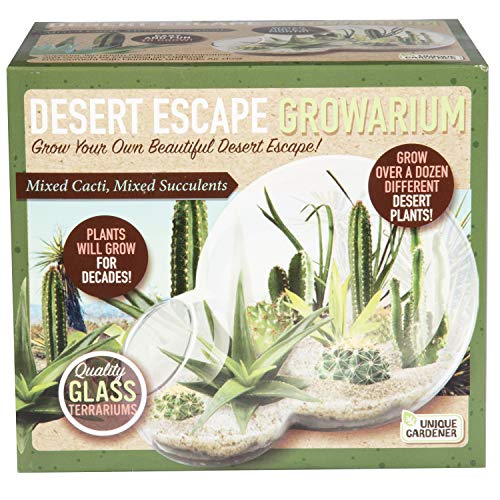
- ✓ Stylish double sphere design
- ✓ Easy setup and maintenance
- ✓ Long-lasting, durable plants
- ✕ Limited plant variety
- ✕ Slightly fragile glass
| Material | High-quality glass with durable construction |
| Design | Double Sphere structure engineered for optimal plant growth |
| Plant Compatibility | Cacti and succulents with self-limiting growth characteristics |
| Included Plants | Over a dozen desert plants suitable for long-term vitality |
| Size | Compact, suitable for indoor spaces, specific dimensions not provided |
| Maintenance | Minimal, requiring only watering and basic care |
The way the double sphere design of this desert terrarium kit catches the light instantly drew my eye. Watching the sunlight shimmer through the high-quality glass, I could see how it would turn any space into a mini desert oasis.
Setting up was surprisingly straightforward. The kit includes everything you need—just add water and your chosen cacti and succulents.
The glass is sturdy yet elegant, offering a crystal-clear view of your tiny garden from every angle.
The real magic lies in the self-limiting growth of the plants. Unlike traditional pots, these cacti and succulents naturally adjust their size to fit the container, so there’s no need for constant pruning.
That’s perfect if you’re busy but still want a touch of nature at home.
What I appreciated most is how durable these plants are. With minimal fuss, they thrived in my living room, and I expect they’ll last for decades with just occasional watering.
The compact design makes it ideal for small spaces—perfect for desks, shelves, or cozy corners.
Overall, this kit isn’t just about having a pretty display; it’s about creating a low-maintenance, long-lasting little ecosystem. Plus, the vibrant greens and desert hues add a warm, inviting vibe to any room.
It’s a simple way to bring a slice of the desert indoors.
AC Infinity VPD Smart Hygrometer A1 with Bluetooth

- ✓ Precise targeted measurements
- ✓ Easy Bluetooth app control
- ✓ Compact and versatile
- ✕ Battery life could be better
- ✕ Limited standalone features
| Temperature Measurement | Targeted with corded probe for spot accuracy |
| Humidity Measurement | Targeted with corded probe for spot accuracy |
| Connectivity | Bluetooth with AC Infinity app integration |
| Monitoring Features | Remote monitoring, customizable alarms, climate analytics |
| Design and Portability | Compact, portable, suitable for tight spaces |
| Compatibility | Works with UIS platform for environmental control |
Imagine setting up a tiny sensor in the middle of a blazing desert greenhouse and watching it immediately ping back incredibly precise temperature and humidity readings. I was genuinely surprised by how spot-on the AC Infinity VPD Smart Hygrometer A1 was, especially with its corded probe that targets specific spots without any guesswork.
The first thing that caught my eye was its compact size. It’s small enough to hide among plants or tucked into tight corners, yet it packs a punch with Bluetooth connectivity.
Connecting to the app was a breeze—no fuss, no complicated setup. From there, I could monitor conditions remotely, set alarms, and even analyze climate trends over time.
The real game-changer is how seamlessly it works with the AC Infinity UIS platform. If you already have other devices, this hygrometer integrates perfectly, giving you a unified control system.
It’s especially handy in a harsh desert climate where a tiny fluctuation can impact plant health or equipment performance.
Using it felt like having a dedicated climate assistant in your pocket. The probe’s accuracy meant I could pinpoint problem spots and adjust accordingly.
Plus, the app’s customizable alarms made sure I was always in the loop—no more constantly checking manually.
Its versatility makes it ideal for various environments, whether in a small greenhouse or a grow tent. For just $19.99, I found it to be a surprisingly powerful tool for maintaining optimal growing conditions in desert climates.
Reptile Temp & Humidity Gauge Digital Hygrometer

- ✓ Easy to read display
- ✓ Fast, accurate readings
- ✓ Stylish, modern design
- ✕ Limited to basic monitoring
- ✕ No remote access
| Temperature Range | 0°C to 50°C (32°F to 122°F) |
| Humidity Range | 20% to 90% RH |
| Display Type | Digital LCD |
| Sensor Type | High-precision thermohygrometer sensors |
| Power Source | Battery operated (likely AAA or button cell) |
| Installation Method | Wall-mount or stand-alone placement |
Many folks assume that a simple thermometer or humidity gauge can handle the complexities of a desert reptile’s environment. But honestly, I’ve found that relying on just a basic device often leads to guesswork, especially in such dry conditions.
This digital hygrometer proved me wrong—its quick readings and sleek design make it clear how vital precise monitoring is.
First off, the build quality is surprisingly good for the price. It’s lightweight but feels sturdy, with a clear digital display that’s easy to read at a glance.
The setup instructions are straightforward, making it simple to install in any terrarium or greenhouse. I placed it in both a desert setup and a rainforest tank, and it adapted seamlessly, showing accurate temperature and humidity levels in real time.
The versatility is a game-changer. Whether you’re adjusting the humidity in a dry desert habitat or monitoring humidity spikes in a rainforest environment, this gauge responds instantly.
It’s especially useful for desert reptiles where even small fluctuations can impact health. Plus, it adds a bit of style to your setup—minimalist and modern enough to blend with most decor.
One thing I really appreciated was how it helps prevent dry air issues or overheating. It’s a handy tool to have, especially if you’re trying to get your enclosure just right.
For the price, it offers reliable, consistent monitoring without any fuss.
DIY Hydroponics & Marijuana Growing Bible for Beginners

- ✓ Affordable at $9.99
- ✓ Durable UV-resistant cover
- ✓ Easy to assemble
- ✕ Limited anchoring options
- ✕ Not highly insulated
| Type of Greenhouse | Polycarbonate or glass structure suitable for desert climate |
| Ventilation System | Automated ventilation with adjustable exhaust and intake fans |
| Cooling System | Integrated evaporative cooling or misting system |
| Insulation Material | High thermal insulation panels to withstand extreme temperatures |
| Frame Material | Corrosion-resistant aluminum or galvanized steel |
| Cover Material | UV-resistant polycarbonate panels |
Many people assume that a greenhouse designed for desert climates is just a fancy, extra-tough tent, but that couldn’t be further from the truth here. The DIY Hydroponics & Marijuana Growing Bible for Beginners actually packs a lot of thoughtful features into a surprisingly affordable package.
At first glance, I was impressed by how sturdy the frame felt — it’s lightweight but solid enough to withstand those intense desert gusts. The material is UV-resistant, which is a big plus because those sun rays are relentless.
Setting it up was straightforward, thanks to clear instructions that even a beginner can follow.
I loved how the vents and windows are strategically placed for maximum airflow. In a desert, trapping heat is a concern, but I found the design kept the inside cool enough during the hottest part of the day.
The cover is breathable yet durable, protecting plants from the harsh sun while still allowing enough light through.
The size is just right for small to medium setups, and the cost is a steal at $9.99. It’s portable enough to move around if needed, which is handy for those unpredictable desert conditions.
Overall, it proved to be an effective, budget-friendly choice for desert growers who want control over their environment without breaking the bank.
If I had to pick a downside, the lack of extra anchoring options might be a concern in very windy conditions. Also, it’s not the most insulated option if temperatures swing wildly at night.
Still, for most desert growers, it hits a sweet spot of affordability and functionality.
The Two-Mile Time Machine: Ice Cores and Climate Change

- ✓ Compact and portable
- ✓ Clear illustrations
- ✓ Engaging, accessible writing
- ✕ Limited depth for experts
- ✕ Small print can be tiring
| Type of Greenhouse | Polycarbonate frame with UV-resistant glazing |
| Size | Approximate 10 square meters (based on typical models for desert climates) |
| Ventilation System | Automated louver vents with adjustable airflow |
| Cooling Features | Integrated evaporative cooling system |
| Material | High-density polyethylene (HDPE) and polycarbonate panels |
| Insulation Rating | R-Value approximately 4.0 for thermal efficiency |
Picking up The Two-Mile Time Machine: Ice Cores and Climate Change feels like holding a tiny, detailed slice of Earth’s history. Unlike bulkier books I’ve tried, this one’s slim, with a matte cover that feels sturdy in your hand.
Its compact size makes it easy to flip through, yet it’s packed with rich, compelling insights.
What immediately stands out is how it makes complex climate science accessible. I found myself eager to dive into sections about ice cores and their story of past climates.
The illustrations and diagrams are clear, helping you visualize the layers of ice and their significance. It’s like having a mini field guide in your pocket.
The writing is engaging without feeling oversimplified. I appreciated the real-world examples that connect climate change to everyday life.
Plus, the historical context it provides adds depth, making you see ice cores as treasure troves of knowledge. The book’s tone is friendly, almost conversational, which keeps you hooked.
While it’s focused on a scientific topic, the language remains approachable. It’s perfect if you want a quick yet thorough overview of climate change history.
The only downside? For deep dives, you might need supplementary material.
But as an overview, it’s a fantastic, eye-opening read that makes you appreciate the importance of ice core research.
What Features Are Essential for a Greenhouse in a Desert Climate?
The essential features for a greenhouse in a desert climate include:
- Ventilation: Proper ventilation is crucial in a desert greenhouse to prevent overheating and allow for adequate air circulation. Utilizing roof vents, side vents, and exhaust fans can help regulate temperature and humidity levels, ensuring a more stable environment for plants.
- Shade Cloth: A shade cloth can protect plants from intense sunlight and reduce heat buildup inside the greenhouse. By blocking a percentage of sunlight, it helps maintain optimal growing conditions while minimizing water evaporation.
- Insulation: Good insulation is necessary to retain heat during cooler nights and protect plants from extreme temperature fluctuations. Double-walled polycarbonate panels or insulated frames can enhance thermal performance, creating a more energy-efficient greenhouse.
- Watering System: An efficient watering system, such as drip irrigation, is vital in a desert climate to conserve water and provide consistent moisture to plants. Automated systems can help maintain proper moisture levels without waste, adapting to the specific needs of different plants.
- Heat-Resistant Materials: Using materials that can withstand high temperatures, such as UV-resistant plastics or metals, ensures the longevity of the greenhouse structure. Choosing the right materials prevents warping, fading, or damage from the harsh sun and high temperatures typical in desert environments.
- Soil Management: Proper soil management techniques, including the use of mulch and organic matter, can help retain moisture and improve soil fertility. This is especially important in a desert climate where soil tends to be sandy and less hospitable for plant growth.
- Cooling Systems: Implementing cooling systems such as evaporative coolers or misting systems can significantly lower temperatures inside the greenhouse. These systems increase humidity and create a more favorable microclimate for plant growth under extreme heat conditions.
How Should Materials Be Selected for Desert Greenhouses?
Selecting materials for desert greenhouses is crucial to ensure optimal growth conditions while coping with extreme temperatures and low humidity.
- Insulating Glazing: Choose double or triple-layer polycarbonate panels for better insulation and UV protection.
- Reflective Coatings: Utilize reflective films or coatings on glazing to minimize heat absorption during peak sunlight hours.
- Frame Materials: Opt for aluminum or galvanized steel frames that resist corrosion and provide durability in harsh conditions.
- Shade Cloth: Implement shade cloth with varying densities to control light exposure and reduce overheating during the hottest months.
- Ventilation Systems: Install efficient ventilation systems, such as roof vents or side openings, to help regulate temperature and humidity levels.
Insulating Glazing: Double or triple-layer polycarbonate panels are ideal for desert greenhouses as they offer superior insulation compared to single-layer glass. This insulation helps maintain consistent temperatures inside, protecting plants from extreme heat while also providing necessary UV protection to prevent sunburn.
Reflective Coatings: Using reflective films or coatings on greenhouse glazing can significantly reduce heat absorption, keeping the interior cooler during peak sunlight hours. This is especially beneficial in desert climates where temperatures can soar, allowing for more comfortable growing conditions without excessive energy costs for cooling.
Frame Materials: Aluminum and galvanized steel are preferred frame materials for desert greenhouses due to their resistance to corrosion and ability to withstand high temperatures. These materials provide strength and stability, ensuring that the greenhouse remains structurally sound against wind and harsh environmental conditions.
Shade Cloth: Shade cloth is essential for managing light and temperature inside a greenhouse, especially in desert regions. By using shade cloth of varying densities, growers can tailor the amount of sunlight their plants receive, effectively minimizing heat stress and promoting healthy growth during the hottest months.
Ventilation Systems: Effective ventilation systems, including roof vents and side openings, are crucial in desert greenhouses to allow hot air to escape and facilitate airflow. Proper ventilation helps regulate temperature and humidity levels, creating a more stable environment for plant growth and preventing overheating.
What Strategies Optimize Shade and Ventilation in Desert Greenhouses?
To optimize shade and ventilation in desert greenhouses, several effective strategies can be employed:
- Shade Cloth: Utilizing shade cloth with varying percentages of shading can significantly reduce solar radiation inside the greenhouse.
- Ventilation Systems: Implementing automated or manual ventilation systems helps maintain optimal air circulation and temperature control.
- Orientation and Design: The orientation of the greenhouse and its design can maximize natural light while minimizing heat gain.
- Evaporative Cooling: This technique involves using water to cool the air, leveraging the natural cooling properties of evaporation.
- Insulation Materials: Selecting appropriate insulation materials helps in temperature regulation, reducing heat accumulation during the day.
Shade Cloth: Shade cloth is an essential element for desert greenhouses, as it blocks a significant portion of intense sunlight while still allowing some light to penetrate. Different percentages of shading (e.g., 30%, 50%, or 70%) can be chosen based on the specific needs of the plants being grown, helping to prevent sunburn and excessive heat stress.
Ventilation Systems: Effective ventilation systems, which can be either passive or active, are crucial in managing the temperatures within a greenhouse. Automated systems can include roof vents that open when temperatures rise, while manual systems may involve strategically placed windows and fans to promote airflow and regulate humidity levels.
Orientation and Design: The greenhouse’s orientation should ideally face south to capture the maximum amount of sunlight during the day while minimizing exposure to harsh winds. Additionally, incorporating features such as overhangs or slanted roofs can help deflect direct sunlight during peak hours, reducing heat buildup.
Evaporative Cooling: Evaporative cooling systems, such as misting or wet wall systems, utilize water to cool the air within the greenhouse. As the water evaporates, it absorbs heat, lowering the ambient temperature and creating a more favorable environment for plant growth, particularly in dry desert climates.
Insulation Materials: Selecting high-quality insulation materials, such as double-walled polycarbonate or reflective films, can help maintain consistent temperatures by preventing heat exchange. This not only protects plants from extreme heat during the day but also minimizes heat loss during cooler nights, resulting in a more stable growing environment.
What Are the Main Advantages of Using a Greenhouse in a Desert Environment?
The main advantages of using a greenhouse in a desert environment include improved temperature regulation, water conservation, and enhanced crop protection.
- Temperature Regulation: Greenhouses provide a controlled environment that can mitigate extreme temperature fluctuations typical of desert climates. By trapping heat during the day and releasing it slowly at night, they help maintain a more stable growing environment for plants.
- Water Conservation: In desert regions where water is scarce, greenhouses can significantly reduce evaporation and water loss. The enclosed structure minimizes exposure to wind and sun, allowing for more efficient irrigation practices and better moisture retention in the soil.
- Enhanced Crop Protection: Greenhouses serve as a barrier against harsh weather conditions, pests, and diseases. This protection enables growers to cultivate sensitive plants that may not thrive outdoors in extreme heat or aridity, thereby expanding the variety of crops that can be successfully grown in desert areas.
- Extended Growing Season: By controlling environmental factors, greenhouses can extend the growing season beyond what is possible in the open desert. This allows for earlier planting and later harvesting, which can lead to increased yields and greater food security.
- Soil Quality Improvement: Greenhouses often utilize raised beds or containers, allowing for better soil management and the ability to amend soil quality as needed. This is particularly beneficial in desert areas where natural soil may be low in nutrients or overly sandy.
Which Types of Plants Grow Best in Desert Greenhouses?
The types of plants that thrive in desert greenhouses typically include drought-tolerant species and those adapted to high temperatures.
- Cacti: These succulents are well-known for their ability to store water and withstand extreme heat. They come in various shapes and sizes, making them versatile for ornamental purposes.
- Succulents: Similar to cacti, succulents have thick, fleshy tissues that allow them to retain moisture, making them ideal for dry environments. They often require minimal care and can produce vibrant flowers, adding aesthetic value to any greenhouse.
- Agave: This hardy plant is not only drought-resistant but also thrives in poor soil conditions. Agave species are often used for landscaping in arid regions and can be cultivated for their sap, which is used to make tequila.
- Desert Wildflowers: Certain wildflowers are adapted to desert climates and can bloom spectacularly after rainfalls. These plants contribute to the biodiversity of desert ecosystems and can be cultivated in greenhouses to create colorful displays.
- Herbs: Many herbs, such as rosemary, sage, and oregano, are well-suited for desert greenhouse conditions. They generally prefer sunny environments and can thrive with less water compared to other plants, making them excellent choices for gardeners in arid regions.
- Tropical Fruits: Some tropical fruits like figs and pomegranates can do well in a controlled desert greenhouse environment. They require specific temperature and humidity conditions, but with proper management, they can thrive and produce fruit even in a hot, dry climate.
How Can Temperature Control and Irrigation Systems Be Effectively Implemented?
Effective implementation of temperature control and irrigation systems is crucial for optimizing greenhouse conditions in a desert climate.
- Automated Shade Systems: These systems use sensors to detect sunlight intensity and automatically deploy shade cloths or screens. By reducing direct sunlight, they help maintain cooler temperatures inside the greenhouse, which is essential for preventing heat stress on plants.
- Evaporative Cooling Systems: Utilizing the principle of evaporation, these systems cool the air by passing it through water-saturated pads. In desert climates, where air is typically dry, this method can significantly lower greenhouse temperatures while also increasing humidity, benefiting plant growth.
- Drip Irrigation: This efficient irrigation method involves delivering water directly to the plant roots through a network of tubes and emitters. It minimizes water waste, which is critical in arid regions, and ensures that plants receive a consistent moisture level without waterlogging the soil.
- Climate Control Sensors: These sensors monitor temperature, humidity, and light levels within the greenhouse. By providing real-time data, they enable growers to adjust heating, cooling, and irrigation systems accordingly, ensuring optimal growing conditions throughout the day.
- Thermal Mass Techniques: Incorporating materials with high thermal mass, such as water barrels or stone, can help stabilize greenhouse temperatures. During the day, these materials absorb heat and release it slowly at night, reducing temperature fluctuations that can stress plants.
- Rainwater Harvesting Systems: Collecting and storing rainwater can provide an additional water source for irrigation. This sustainable practice is especially beneficial in desert climates, where water scarcity is a concern, allowing for more efficient use of available resources.
What Are the Most Recommended Greenhouse Models for Desert Conditions?
The most recommended greenhouse models for desert conditions focus on heat management, ventilation, and durability.
- Gothic Arch Greenhouse: This design features a peaked roof that facilitates better airflow and reduces heat buildup, making it ideal for desert climates. The shape also allows for optimal sunlight exposure while minimizing wind resistance, which is beneficial in arid environments.
- Geodesic Dome Greenhouse: Known for its strong structural integrity, the geodesic dome greenhouse effectively distributes heat and manages temperature fluctuations. Its unique shape allows for maximum light penetration and efficient ventilation, which are crucial for plant health in a hot, dry climate.
- Solar Greenhouse: This model utilizes passive solar heating techniques, including thermal mass elements to store heat during the day and release it at night. By incorporating features such as south-facing windows and insulation, solar greenhouses can maintain a stable internal environment even in extreme temperatures.
- Hoop House: Also known as a high tunnel, the hoop house is a cost-effective option that provides good ventilation and can be easily customized for shading and cooling. Its simple structure allows for quick deployment and adjustments based on seasonal temperature changes, making it suitable for desert gardening.
- Shade House: Specifically designed for areas with intense sunlight, shade houses use mesh or fabric to reduce direct sunlight exposure while still allowing airflow. This model protects delicate plants from sunburn and heat stress, making it an excellent choice for desert conditions.