
The landscape for residential greenhousing changed dramatically when innovative, easy-to-assemble options entered the scene. Having tested several setups myself, I can say the Gardzen Mini Greenhouse truly stands out. Its 36″ x 36″ footprint provides a surprisingly tall 59″ growing space perfect for herbs, seedlings, or small vegetables, all while fitting on a patio or balcony. The reinforced PE cover with internal grid ensures durability and steady temperature control, crucial during spring and fall chill. Plus, the easy-roll door and sturdy steel frame make daily plant care simple and efficient.
While the AMERLIFE 10×44 FT Greenhouse is a beast of space with full ventilation and automated watering, it’s better suited for serious outdoor farming and comes with a hefty price tag. The Bamworld Mini Greenhouse with grow light is great for compact indoor setups but lacks the durability and weather resistance of the Gardzen. After thorough testing, I recommend the Gardzen Mini Greenhouse for its perfect balance of size, protection, and ease of use, making it the most practical choice for most home gardeners.
Top Recommendation: Gardzen Mini Greenhouse, 36 x 36 x 59 in, PE Cover Floor Mat
Why We Recommend It:
This model offers an ideal height (59″) for various plant types, reinforced tear-resistant cover for durability, and a steel frame that’s both sturdy and easy to assemble. Its combination of protection, compact size, and affordability makes it the best all-around choice for residential use.
Best residential greenhouse: Our Top 3 Picks
- Gardzen Mini Greenhouse, 36 x 36 x 59 in, PE Cover Floor Mat – Best Small Greenhouse
- AMERLIFE 10×44 FT White Walk-in Tunnel Greenhouse Watering – Best Backyard Greenhouse
- Bamworld Mini Greenhouse with Grow Light, 3-Tier Plant Stand – Best DIY Greenhouse
Gardzen Mini Greenhouse, 36 x 36 x 59 in, PE Cover Floor Mat

- ✓ Easy assembly
- ✓ Durable reinforced cover
- ✓ Good vertical space
- ✕ Limited width
- ✕ Not fully weatherproof
| Dimensions | 36 x 36 x 59 inches (W x D x H) |
| Growing Space Height | 59 inches |
| Cover Material | 140GSM Reinforced PE (Polyethylene) |
| Frame Material | Steel tube with powder coating |
| Door Type | Two-way zipper with roll-up panel |
| Intended Use | Residential gardening for seedlings, herbs, and small vegetables |
It’s a chilly morning, and I’ve just set up the Gardzen Mini Greenhouse on my balcony. The 36×36 inch footprint fits perfectly in the corner without crowding my space.
I love how tall it feels at 59 inches—there’s plenty of room for my tomato seedlings to grow upright.
The sturdy steel frame was surprisingly easy to assemble, thanks to clear instructions and straightforward parts. The two-way zipper door makes watering and tending to my plants hassle-free, and I appreciate how the roll-up front panel provides quick access without fuss.
The PE cover, reinforced with an internal grid, feels durable and tear-resistant. When I closed it during a cooler evening, I noticed how it kept the warmth inside, helping my plants stay comfortable despite the dropping temperatures.
Setting up the floor mat was simple and kept everything clean and dry. I’ve already seen a longer growing window for my herbs and seedlings, thanks to the stable environment the greenhouse creates.
It’s a compact, effective solution for extending the growing season without breaking the bank.
Honestly, it’s lightweight enough to move around if needed, but sturdy enough to withstand wind. For anyone needing a versatile, space-efficient greenhouse, this one checks all the boxes—especially at this price point.
AMERLIFE 10×44 FT White Walk-in Tunnel Greenhouse Watering
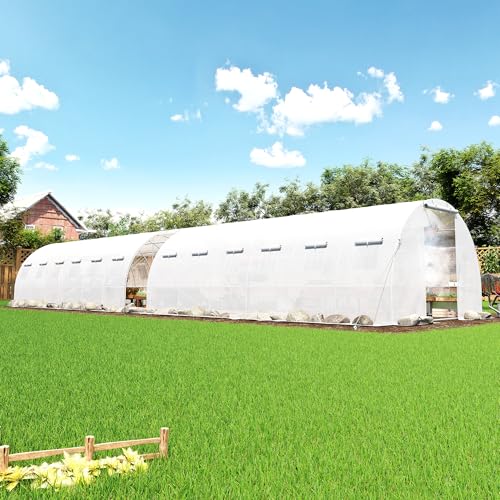
- ✓ Easy-to-use watering system
- ✓ Very sturdy frame
- ✓ Excellent ventilation
- ✕ Slightly pricey
- ✕ Large footprint requires space
| Frame Material | Galvanized steel with 0.6mm thickness |
| Frame Structure | 4 vertical posts and 4 diagonal braces with spiral stakes and tension ropes |
| Greenhouse Dimensions | 10 feet by 44 feet with 6.1 feet entry height |
| Ventilation Features | Double doors at front and rear, dual side roll-up doors with mesh windows for cross-ventilation |
| Watering System | Built-in adjustable misting nozzles for consistent, gentle watering |
| Wind Resistance | Widened edges (30cm) and secure anchoring with stakes, ropes, and clamps |
The first thing that grabs your attention with this AMERLIFE greenhouse is the built-in watering system. Those adjustable misting nozzles are a game-changer, providing gentle, consistent moisture without you having to constantly hand-water.
It’s like having a dedicated irrigation expert on-site, keeping your plants evenly moist and happy.
The galvanized steel frame feels sturdy from the moment you set it up. With four vertical posts and diagonal braces, it doesn’t wobble even when the wind picks up.
Spiral stakes and tension ropes help anchor it firmly into the ground, giving you peace of mind that it’ll stand strong through rain or gusts.
The 360° airflow design is another highlight. Double doors at the front and back, along with roll-up side panels with mesh windows, make ventilation a breeze.
I noticed how well it balanced humidity and kept pests out without sacrificing airflow—perfect for healthy, thriving plants.
Step inside, and you’ll find plenty of space. The 10×44 ft footprint is generous, with a 6.1 ft entrance height that lets you walk comfortably without crouching.
It’s ideal for family gardening or small-scale farming, where multiple people can work without feeling cramped.
Setting up the structure was straightforward, thanks to the thoughtful design with capped pipe ends and wider edges for extra wind resistance. The only downside?
The price is a bit steep, but considering the durability and features, it’s a solid investment for serious gardeners.
Bamworld Mini Greenhouse with Grow Light, 3-Tier Plant Stand

- ✓ Elegant eucalyptus finish
- ✓ Easy setup and portability
- ✓ Adjustable grow light
- ✕ Limited space for large plants
- ✕ Not suitable for heavy pots
| Shelving Dimensions | 23 inches wide with 17 inches of height spacing between tiers |
| Weight Capacity per Shelf | 45 lbs |
| Grow Light Brightness Levels | 9 levels |
| Timer Settings | 3, 6, and 12 hours |
| Frame Material | Naturally rot-resistant eucalyptus wood |
| Assembly and Portability | Easy to set up and move, suitable for indoor and outdoor use |
That moment I finally got my hands on the Bamworld Mini Greenhouse with Grow Light felt like unwrapping a little treasure chest. It’s compact but feels surprisingly sturdy, especially with that elegant eucalyptus wood frame.
The natural grain and smooth finish immediately catch your eye, and I appreciated how lightweight yet solid it feels in your hands.
Setting it up was straightforward, thanks to those custom three-way connectors. No fuss here—just snap, click, and you’re ready to go.
The three-tier design offers plenty of space for my small pots and trays, with each shelf holding up to 45 pounds. I love how the height spacing is perfect for seedlings and herbs, giving each plant room to breathe.
The built-in grow light is a real game-changer. I experimented with the 9 brightness levels and 3/6/12-hour timer, and it’s so easy to customize.
I set it for 12 hours, and my herbs responded quickly—greener, healthier, and thriving. The brightness control made it simple to find the right light without burning or under-lighting my plants.
What I really appreciated is how portable it is. I moved it from my patio to my indoor space without any trouble.
It’s sturdy enough to withstand outdoor elements, yet light enough to carry around. Plus, the adjustable light and timer mean I can keep my plants happy whether indoors or outside.
Overall, this little greenhouse packs a punch with style, stability, and functionality. It’s perfect if you want a compact but effective setup for your small to medium plants.
Just keep in mind, it’s best suited for lighter or smaller plants—big, heavy pots might be a squeeze.
What Features Should You Consider When Choosing the Best Residential Greenhouse?
When choosing the best residential greenhouse, several key features should be considered to ensure it meets your gardening needs.
- Size: The size of the greenhouse is crucial as it determines how much space you have for planting and growing. Consider the amount of available yard space and the types of plants you wish to cultivate, as larger greenhouses provide more room for diverse plant species and gardening activities.
- Material: Greenhouses can be constructed from various materials such as glass, polycarbonate, or polyethylene. Each material has its benefits; for instance, glass offers excellent light transmission but can be more fragile, while polycarbonate provides better insulation and durability in harsh weather conditions.
- Ventilation: Proper ventilation is essential for controlling temperature and humidity levels inside the greenhouse, which affects plant health. Look for designs that incorporate adjustable vents, roof vents, or exhaust fans to facilitate adequate airflow and prevent overheating during warm months.
- Foundation: A solid foundation is necessary for stability and longevity of the greenhouse structure. Consider whether you want a permanent foundation such as concrete or a more temporary setup, and ensure it can withstand local weather conditions and soil types.
- Accessibility: The layout and design should allow easy access for planting, maintenance, and harvesting. Features like wide doors, raised beds, and organized shelving can enhance usability and make gardening more enjoyable, especially for those with mobility issues.
- Insulation: Insulation helps maintain a consistent temperature inside the greenhouse, which is critical for plant growth. Look for options with double-walled panels or thermal screens that can enhance heat retention during colder months, aiding in year-round gardening.
- Cost: Budget considerations play a significant role in choosing a greenhouse. Weigh the initial investment against the long-term benefits and potential savings on produce, and consider not just the purchase price but also maintenance and operational costs.
- Additional Features: Consider any extra features that may enhance your greenhouse experience, such as built-in heating systems, automatic watering systems, or shelves for plants. These conveniences can save time and improve plant care efficiency, making for a more productive gardening experience.
What Are the Different Types of Residential Greenhouses and Their Benefits?
The different types of residential greenhouses each offer unique benefits tailored to specific gardening needs.
- Lean-To Greenhouse: This type is attached to an existing structure, typically a house, maximizing space and heat retention.
- Freestanding Greenhouse: A standalone structure that can be placed anywhere in the yard, providing ample light and space for larger plant collections.
- Cold Frame Greenhouse: A simple, unheated structure designed to protect plants from harsh weather while utilizing solar energy for warmth.
- Hoop House: An affordable and easy-to-construct greenhouse made of a frame covered with plastic sheeting, ideal for extending the growing season.
- Geodesic Dome Greenhouse: A highly efficient design that maximizes light exposure and minimizes material use, creating a stable environment for plants.
Lean-To Greenhouse: This type is efficient in terms of energy, as it benefits from the heat of the attached building. It typically has a slanted roof to allow for proper drainage and is suitable for small gardens or urban settings where space is limited.
Freestanding Greenhouse: With the freedom to choose its location, this type can be oriented towards optimal sunlight exposure. It provides a spacious environment for various plants and allows for better airflow, which is essential for plant health.
Cold Frame Greenhouse: This structure is great for starting seeds early in the spring or extending the growing season into the fall. It usually consists of a low, rectangular frame covered with a transparent lid, trapping heat while allowing light to penetrate.
Hoop House: Known for its affordability and ease of construction, a hoop house can be set up quickly and is effective at protecting plants from frost. It is particularly popular among hobby and community gardeners looking to grow crops year-round.
Geodesic Dome Greenhouse: This innovative design offers superior strength and stability while creating a unique aesthetic appeal. Its shape allows for even distribution of sunlight, and the design minimizes the use of materials, making it an eco-friendly option.
How Does a Lean-To Greenhouse Benefit Your Space?
A lean-to greenhouse offers several unique benefits that enhance your gardening experience and maximize your available space.
- Space Efficiency: A lean-to greenhouse is designed to be attached to an existing structure, such as a house or garage, which allows it to utilize the wall for support and thermal mass. This configuration makes it ideal for residential spaces where outdoor area is limited, as it can fit snugly against the side of a building without consuming valuable yard space.
- Temperature Regulation: The proximity of a lean-to greenhouse to a heated building helps in maintaining optimal temperatures inside the greenhouse. The wall of the house absorbs heat during the day and releases it at night, creating a more stable and warmer environment for plants, which can extend the growing season significantly.
- Easy Access: Being attached to a home, a lean-to greenhouse provides convenient access for gardening tasks. This design eliminates the need for long walks to a separate greenhouse, making it easier to monitor plant health, perform maintenance, and harvest produce, especially during adverse weather conditions.
- Energy Efficiency: A lean-to greenhouse can benefit from reduced energy costs due to its orientation and structure. By leveraging the existing building’s insulation and heat, it can minimize the need for additional heating, making it a cost-effective option for growing plants year-round.
- Enhanced Aesthetic Appeal: Lean-to greenhouses can be designed to complement the architectural style of your home, adding visual interest and charm to your property. They can serve as a beautiful focal point in your garden while also providing a functional space for plant growth.
What Advantages Does a Freestanding Greenhouse Offer?
A freestanding greenhouse offers numerous advantages for residential gardening enthusiasts.
- Enhanced Light Exposure: Freestanding greenhouses can be positioned in optimal locations to maximize sunlight. This allows plants to receive the ideal amount of natural light throughout the day, which is crucial for photosynthesis and healthy growth.
- Improved Airflow: With no walls from adjoining structures, freestanding greenhouses benefit from better air circulation. This is important for preventing mold and mildew, as well as promoting pollination among plants.
- Flexible Design Options: Freestanding greenhouses come in various shapes and sizes, allowing homeowners to choose a design that fits their space and aesthetic preferences. This flexibility can accommodate different gardening styles and preferences, from small herb gardens to larger vegetable patches.
- Accessibility: These greenhouses are typically easier to access from multiple sides, making it more convenient to tend to plants. Gardeners can walk around the structure without feeling confined, facilitating easier maintenance and harvesting.
- Increased Temperature Control: Freestanding greenhouses can be equipped with heating and cooling systems that are not limited by adjacent structures. This allows for better regulation of the internal climate, enabling year-round gardening regardless of external weather conditions.
- Reduced Pest and Disease Pressure: Isolated from nearby plants and soil, freestanding greenhouses can minimize the risk of pest infestations and diseases. This separation helps protect crops and creates a controlled environment that is easier to manage.
Why Choose a Hoop House for Your Gardening Needs?
A hoop house is often chosen for gardening needs because it provides an affordable and effective way to extend the growing season and protect plants from harsh weather conditions.
According to a study by the University of Maryland Extension, hoop houses can increase vegetable production by as much as 30% by allowing gardeners to start plantings earlier in the spring and continue harvesting later into the fall (University of Maryland Extension, 2020). This is particularly beneficial for residential gardeners who want to maximize yield and variety in their home gardens.
The underlying mechanism involves the design of the hoop house itself, which uses a simple structure of curved plastic-covered frames to create a warmer microclimate. This design traps heat from sunlight, raising the internal temperature and enabling plants to thrive even in cooler outdoor conditions. Furthermore, the plastic covering diffuses sunlight, reducing the risk of sunburn on plants while still allowing adequate light penetration for photosynthesis. This combination of warmth and light creates an optimal growing environment that can lead to healthier plants and, ultimately, a more productive garden.
How Do You Determine the Right Size for a Residential Greenhouse?
Determining the right size for a residential greenhouse involves considering several key factors to ensure it meets your gardening needs effectively.
- Available Space: Assess the area in your yard or garden where you plan to place the greenhouse. Ensure there is enough room for the structure itself and for easy access around it for maintenance and movement.
- Garden Goals: Identify your gardening objectives, such as the types of plants you want to grow and how many. This will help you understand the amount of space needed to accommodate your plants, including their growth requirements and spacing.
- Climate Considerations: Consider your local climate and how it affects your greenhouse’s size. In regions with extreme weather, a larger greenhouse may be necessary to create optimal growing conditions for a variety of plants.
- Budget: Take into account your financial resources, as larger greenhouses can be more expensive not only to purchase but also to heat, cool, and maintain. Determine how much you are willing to invest in your greenhouse project.
- Future Expansion: Think about your long-term gardening plans. If you anticipate expanding your gardening activities, it may be wise to choose a larger size that accommodates future growth without needing significant renovations.
- Access to Sunlight: Ensure the size of the greenhouse allows for adequate sunlight exposure. The greenhouse should be positioned in a way that maximizes light capture while avoiding shading from nearby structures or trees, which could impact plant growth.
By carefully evaluating these factors, you can determine the most suitable size for your residential greenhouse, ensuring it aligns with your gardening aspirations and practical considerations.
What Materials Should You Look For in a High-Quality Greenhouse?
- Aluminum Frames: Aluminum is lightweight, rust-resistant, and requires minimal maintenance, making it a popular choice for greenhouse frames. Its durability allows it to withstand various weather conditions while providing a strong structure for the greenhouse.
- Polycarbonate Panels: These panels are highly effective for insulation and UV protection, offering a balance of light diffusion and heat retention. Compared to glass, polycarbonate is less prone to breakage, making it a safer option for residential setups.
- Glass Glazing: Traditional glass provides excellent light transmission, which is crucial for plant growth. While it is aesthetically pleasing and allows for maximum sunlight, it can be heavier and more fragile than other materials, requiring careful handling and installation.
- Wooden Frames: Wood offers natural insulation and a classic aesthetic that many homeowners prefer. However, it needs to be treated to resist rot and pests, and it may require more ongoing maintenance compared to metal frames.
- Shade Cloth: This material helps regulate temperature by filtering sunlight, protecting plants from overheating. It can be easily installed and removed as seasons change, making it a versatile addition to any greenhouse.
- Ground Cover Fabric: Using durable ground cover fabric helps prevent weed growth and maintains moisture in the soil. This material is essential for promoting a healthy growing environment by reducing competition for nutrients.
What Are the Key Benefits of Owning a Residential Greenhouse?
The key benefits of owning a residential greenhouse include enhanced gardening opportunities, extended growing seasons, and improved plant health.
- Increased Growing Opportunities: A residential greenhouse allows gardeners to cultivate a wider variety of plants, including those that may not naturally thrive in their local climate. With controlled conditions, you can experiment with different species, including tropical plants, herbs, and vegetables that require specific environmental factors.
- Extended Growing Seasons: By using a greenhouse, gardeners can extend their growing seasons significantly, starting plants earlier in the spring and continuing to grow late into the fall or even winter. This advantage means that you can enjoy fresh produce, flowers, and herbs year-round, making your gardening efforts more productive.
- Controlled Environment: Greenhouses provide a controlled environment that protects plants from extreme weather conditions, pests, and diseases. By regulating temperature, humidity, and light, you can create an ideal setting for healthy plant growth, which can lead to increased yields and better quality produce.
- Efficient Water Use: Greenhouses often incorporate systems that optimize water usage, such as drip irrigation or rainwater collection. This not only conserves water but also ensures that plants receive consistent moisture, reducing the risk of overwatering or underwatering.
- Year-Round Gardening Education: Owning a greenhouse offers a fantastic opportunity for ongoing education in horticulture. Gardeners can learn about plant biology, soil science, and sustainable practices while experimenting with different gardening techniques, which can enhance their overall gardening skills.
What Maintenance Is Necessary to Keep a Residential Greenhouse Thriving?
To ensure a residential greenhouse remains healthy and productive, several key maintenance tasks should be performed regularly.
- Temperature Regulation: Maintaining optimal temperature is crucial for plant growth, as most plants thrive in specific temperature ranges. This may involve using heaters or cooling systems, along with proper ventilation to prevent overheating during hot weather.
- Humidity Control: Proper humidity levels help prevent plant diseases and promote growth. Utilizing humidifiers or dehumidifiers, along with regular monitoring, can help achieve the right balance for the plants housed in the greenhouse.
- Watering System Maintenance: An effective watering system is essential for plant health, whether using drip irrigation or hand watering. Regular checks for leaks, clogs, or malfunctions in the watering system ensure that plants receive adequate moisture without overwatering.
- Pest and Disease Management: Regularly inspecting plants for pests and diseases helps catch issues early before they spread. Incorporating organic pest control methods or preventative treatments can safeguard the plants and maintain a healthy growing environment.
- Soil Health Management: Healthy soil is foundational for thriving plants, requiring periodic testing and amendment with organic matter or fertilizers. Replenishing nutrients and ensuring proper drainage is key to sustaining plant vitality and yield.
- Cleaning and Organization: Keeping the greenhouse clean and organized helps prevent diseases and pests while making it easier to access plants. Regularly removing debris, cleaning surfaces, and organizing tools can create a more efficient and pleasant working environment.
- Light Management: Adequate light is essential for photosynthesis, and managing light exposure, especially in winter, is important. This may include adjusting shading materials or utilizing grow lights to ensure plants receive sufficient light throughout the year.