
The landscape for home greenhouses changed dramatically when innovative designs and smart features entered the scene. Having tested several models, I can tell you that a good greenhouse must balance space, ease of setup, and light control. The Bamworld 2-Tier Mini Greenhouse with Grow Light stood out because its space-saving, stackable design makes it perfect for small areas like kitchens or balconies. The three-color LED grow light with adjustable settings replicates sunlight so seedlings thrive early, but it’s limited to germination stage only.
Compared to the Bamworld Mini Greenhouse Grow Light Plant Stand, which offers sturdy eucalyptus shelves and strong weight capacity, the mini greenhouse excels at seed-starting with its dedicated grow light and UV-resistant cover. Durability and ease of assembly are crucial, and I found the Bamworld 2-Tier model’s tool-free setup and included extras like spare connectors a real plus. Overall, it provides the best mix of functionality, compactness, and value for starting your home garden enthusiastically.
Top Recommendation: Bamworld 2-Tier Mini Greenhouse with Grow Light 22x17x38
Why We Recommend It: This model combines a dedicated germination light with adjustable three-color LEDs, ensuring optimal seedling growth. Its stackable, space-efficient design fits small spaces easily. The heavy-duty polyethylene cover creates a microclimate that extends growing seasons indoors. Plus, quick assembly and included extras make setup hassle-free. Compared to the eucalyptus shelving greenhouse, it offers specialized grow lighting and superior microclimate control, making it the best all-around choice for home seed-starting.
Best greenhouses for home: Our Top 3 Picks
- Bamworld 2-Tier Mini Greenhouse with Grow Light 22x17x38 – Best small greenhouse for backyard gardeners
- Bamworld Mini Greenhouse Grow Light Plant Stand for Mutiple – Best Value
- TempPro TempAir 260FT Bluetooth Digital Hygrometer, Room – Best greenhouses for home use
Bamworld 2-Tier Mini Greenhouse with Grow Light 22x17x38

- ✓ Easy tool-free assembly
- ✓ Adjustable grow light
- ✓ Space-saving design
- ✕ Not suitable for mature plants
- ✕ Limited size for large crops
| Grow Light Type | USB Seedling Growth Light with three-color spectrum |
| Light Intensity Levels | 9 adjustable levels |
| Timer Settings | Supports 3h, 9h, and 12h timers |
| Greenhouse Dimensions | 22 x 17 x 38 inches (approximate internal dimensions based on description) |
| Cover Material | UV-resistant polyethylene with 85% light transmission |
| Assembly Time | Approximately 15 minutes with tool-free installation |
As soon as I pulled this Bamworld mini greenhouse out of the box, I was struck by how compact and sturdy it feels. The transparent PE cover gleamed in the sunlight, inviting me to start planting right away.
The size is perfect for squeezing into a small corner of my kitchen, and the lightweight frame makes it surprisingly easy to move around.
Setting it up took about 15 minutes, thanks to the tool-free design and clear instructions—plus, I appreciated the spare connectors and tiny hammer included. The stackable compartments with dividers let me organize different seeds without hassle.
The adjustable grow light, with its three-color options and nine intensity levels, instantly made me feel like a pro grower.
The USB grow light is a real highlight. It supports timers, and I love that I can extend it with additional strips if I want to crank up the light for seedlings.
The light’s spectrum is tailored just for germination and young plants, so I don’t have to worry about overexposing my seedlings to harsh light. The protective cover traps heat beautifully, helping my tiny herbs and greens thrive even in less-than-ideal conditions.
watering is super convenient with the roll-up cover. Plus, the overall design shields seedlings from wind, pests, and harsh sun.
Whether you’re using it on a windowsill, in a closet, or on a covered patio, this greenhouse adapts easily. It’s a smart, space-saving solution that turns any small space into a mini nursery or garden organizer.
Bamworld Mini Greenhouse Grow Light Plant Stand for Mutiple

- ✓ Sturdy eucalyptus wood construction
- ✓ Adjustable LED grow lights
- ✓ Portable and easy to move
- ✕ Slight setup time
- ✕ Limited space for larger plants
| Shelving Dimensions | 23 inches wide with 17 inches of height spacing between tiers |
| Maximum Load Capacity per Shelf | 45 lbs |
| Lighting Control | Built-in timer with 3/6/12-hour settings and 9 brightness levels |
| Frame Material | High-Quality, Naturally Rot-resistant Eucalyptus Wood |
| Frame Stability Features | Custom-designed three-way connectors for enhanced sturdiness and wobble prevention |
| Intended Use | Suitable for seedlings, sprouts, herbs, and succulents in indoor and outdoor environments |
You know that frustrating moment when your seedlings start stretching towards the light, and you worry they’re not getting enough? I had that exact dilemma trying to keep my herbs and succulents thriving indoors.
Then I set up the Bamworld Mini Greenhouse Grow Light Plant Stand, and everything changed.
This little greenhouse is surprisingly sturdy, thanks to its high-quality eucalyptus wood. The three-tier design gives ample space—each shelf holds up to 45 pounds, so you can easily fit trays, pots, or planters.
The 17-inch height spacing feels just right for small to medium plants, giving them room to grow without feeling cramped.
The built-in smart timer and brightness control are game changers. I love how I can set the lights for 3, 6, or 12 hours, and adjust the brightness across nine levels.
It’s like giving my plants personalized sunlight, especially on cloudy days or during winter. The LED grow lights are bright enough to promote healthy growth without overheating or wasting energy.
What really impressed me is how portable and easy it is to move around. Whether I want it on my balcony, in the backyard, or inside my kitchen, it’s a breeze to reposition.
Plus, the sturdy frame with three-way connectors means it holds steady outdoors, even with a little breeze.
Overall, this mini greenhouse combines practicality with aesthetic appeal. It’s perfect if you want a compact, reliable way to nurture your plants indoors or on a patio.
The only minor hiccup is that the setup takes a few minutes, but once assembled, it’s rock solid.
TempPro TempAir 260FT Bluetooth Digital Hygrometer, Room
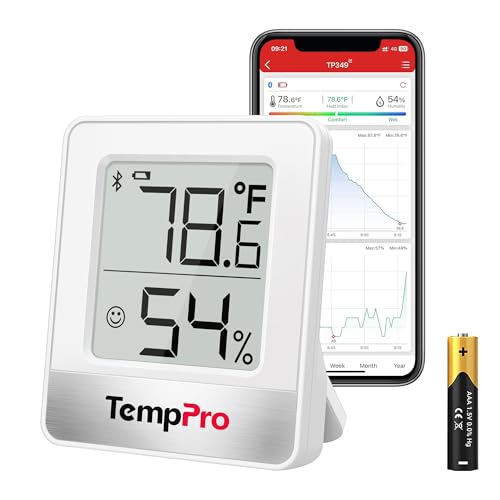
- ✓ Clear, bold display
- ✓ Easy Bluetooth connectivity
- ✓ Long-range remote monitoring
- ✕ Battery life could improve
- ✕ Limited to Bluetooth only
| Measurement Accuracy | ±3% relative humidity and ±0.5°C temperature |
| Refresh Rate | Updates every 10 seconds |
| Bluetooth Version | Bluetooth 5.0 |
| Wireless Range | Up to 80 meters (260 feet) with no obstructions |
| Display Type | Large, backlit digital LCD with icons for Dry, Comfort, Wet |
| Power Source | 1 AAA battery included |
As soon as I set this tiny device on my windowsill, I couldn’t help but notice how clear and bold the display is. The large numbers and icons immediately catch your eye, making it effortless to read at a glance—no squinting needed.
I especially appreciated how quickly I could see changes in humidity and temperature, thanks to the sensor updating every 10 seconds.
Connecting via Bluetooth to my phone was a breeze, and I didn’t have to be right next to it. Sitting comfortably on my couch, I checked the readings from as far as 80 meters away—perfect for when I’m relaxing or working in another room.
The app’s data tracking is a game-changer, letting me view trends over months and export data whenever I want.
Placement options are flexible, thanks to the magnetic back, stand, and hanging hole. I tried all three, and each worked well in different spots—my nursery, grow tent, and even a wine cellar.
The device’s compact size means it doesn’t clutter up my space, yet it’s still easy to read and operate.
One thing I love is the quick alerts for low battery or changing conditions, giving me peace of mind. It’s simple but smart tech that really makes managing indoor humidity and temperature straightforward.
Overall, this tiny monitor packs a punch, especially for those who need reliable, real-time data without fuss.
What Are the Best Greenhouse Types for Home Use?
The best greenhouses for home use vary based on size, materials, and climate considerations.
- Glass Greenhouses: These structures provide excellent light transmission and durability, making them ideal for a wide range of plants.
- Polycarbonate Greenhouses: Known for their insulation properties, polycarbonate greenhouses can effectively maintain temperature, making them suitable for colder climates.
- Plastic Greenhouses: Typically more affordable and lightweight, these greenhouses are easy to assemble and can be a great option for beginners.
- Tunnel Greenhouses: Also known as hoop houses, they are inexpensive and flexible, providing ample growing space while being easy to set up and take down.
- Portable Greenhouses: These are perfect for those with limited space or who want the flexibility to move their greenhouse; they come in various sizes and materials.
Glass greenhouses are favored for their aesthetic appeal and long lifespan; they allow for maximum sunlight to penetrate, which helps in plant growth. However, they can be more expensive and require a sturdy foundation due to their weight.
Polycarbonate greenhouses offer a great balance of light diffusion and thermal insulation, often coming in twin-wall designs that provide added strength and protection against UV rays. They are more resilient to impact than glass, making them a safer choice in windy areas.
Plastic greenhouses, often made from polyethylene film, are lightweight and can be a cost-effective introduction to greenhouse gardening. They can be easily customized and are often designed for seasonal use, though they may not last as long as glass or polycarbonate options.
Tunnel greenhouses are a popular choice for those looking to extend their growing season; they allow for quick assembly and can cover large areas efficiently. They are particularly effective for growing vegetables and can be easily ventilated.
Portable greenhouses are great for small gardens or those who want the flexibility to relocate their plants as needed. They are usually lightweight and can be quickly set up or taken down, making them a versatile option for casual gardeners.
How Do Different Greenhouse Materials Affect Your Choice?
The choice of greenhouse materials significantly influences plant growth, durability, and energy efficiency.
- Glass: Glass is a traditional greenhouse material that offers excellent light transmission and aesthetic appeal. It provides a classic look and durability, but it can be heavy and expensive, requiring a sturdy frame and proper ventilation to prevent overheating.
- Polycarbonate: Polycarbonate sheets are lightweight and provide great insulation compared to glass, making them energy efficient. They are also nearly unbreakable and have UV protection, which helps in maintaining a stable environment for plants, although they may not allow as much light as glass.
- Polyethylene Film: This is a cost-effective option for greenhouses, providing good light diffusion and flexibility in construction. However, it typically has a shorter lifespan and may require replacement every few years due to wear and tear from UV exposure.
- Shade Cloth: While not a structural material for the greenhouse frame, shade cloth is crucial for controlling light and temperature inside the greenhouse. It helps prevent overheating and protects sensitive plants from direct sunlight, and can be easily adjusted depending on the season and plant needs.
- Acrylic: Acrylic is a clear plastic that is lightweight and provides good insulation and UV protection. It is more shatter-resistant than glass but can scratch easily, which may affect its clarity over time; it also offers a good balance between cost and performance.
What Key Features Should You Look for When Selecting a Greenhouse?
When selecting the best greenhouses for home, several key features should be considered to ensure optimal growing conditions and longevity.
- Size: The size of the greenhouse is crucial depending on the available space and the number of plants you intend to grow. A larger greenhouse allows for more plants and provides better airflow, but it requires more maintenance and energy to heat or cool.
- Material: The materials used for the frame and covering significantly affect durability and insulation. Common frame materials include aluminum and galvanized steel, while glazing options like polycarbonate, glass, and polyethylene each offer varying levels of light transmission and heat retention.
- Ventilation: Proper ventilation is essential for regulating temperature and humidity levels. Look for greenhouses with adjustable vents, roof vents, or fan systems to ensure adequate airflow, preventing plant diseases and promoting healthy growth.
- Accessibility: Accessibility features such as wide doors and pathways make it easier to move plants and gardening tools in and out of the greenhouse. Consider the layout and whether it allows for comfortable access to all areas, especially if you plan on spending considerable time inside.
- Climate Control: Advanced greenhouses may offer climate control systems that include heating, cooling, and humidity regulation. Investing in these systems can help maintain optimal growing conditions year-round, which is particularly beneficial in extreme weather regions.
- Foundation: A solid foundation is necessary to support the greenhouse structure and protect it from the elements. Options include concrete slabs, gravel bases, or wood frames, each of which provides different levels of stability and drainage.
- Additional Features: Look for extra features like shelving, potting benches, or built-in irrigation systems. These enhancements can improve functionality and make your gardening experience more enjoyable by providing organized space for tools and plants.
Why Is Size Important in Choosing a Greenhouse?
When selecting a greenhouse for home use, size plays a crucial role in ensuring effective plant growth and maintenance. The right dimensions can greatly influence the success of your gardening endeavors for several reasons:
-
Space for Plants: Larger greenhouses provide ample room for various plants, allowing for better organization and airflow. Crowded plants can compete for light and nutrients, leading to inadequate growth.
-
Growing Techniques: Different plants and growing methods require varying amounts of space. For example, a tomato plant may need height for vertical growth, while a bedding flower arrangement might spread out horizontally.
-
Accessibility: Adequate size allows space for paths and easy access to all areas of the greenhouse. This accessibility is vital for tasks such as watering, pruning, and harvesting.
-
Climate Control: Size impacts the greenhouse’s ability to maintain a stable climate. A larger structure can better regulate temperature and humidity levels, which are essential for plant health.
-
Future Expansion: Choosing a larger greenhouse can accommodate future gardening plans, allowing for the addition of new plants or growing methods without the need for a complete redesign.
Considering these factors will help in selecting the best size for your home greenhouse, optimizing both plant health and your gardening experience.
How Does Proper Ventilation Impact Your Greenhouse Environment?
Proper ventilation is crucial for maintaining an optimal environment in greenhouses, affecting plant health, growth, and productivity.
- Temperature Regulation: Effective ventilation helps to control the internal temperature of the greenhouse by allowing hot air to escape and cooler air to enter. This is particularly important during hot summer months when excessive heat can stress plants and inhibit their growth.
- Humidity Control: Ventilation plays a key role in managing humidity levels, preventing the buildup of excess moisture that can lead to fungal diseases and other plant health issues. By exchanging humid air with drier air, plants can thrive in a balanced moisture environment.
- Air Circulation: Good ventilation promotes proper air circulation, which is essential for delivering carbon dioxide to plants and removing stale air. This circulation is vital for photosynthesis and overall plant vigor, ensuring that plants receive the necessary elements for healthy growth.
- Pest and Disease Management: Adequate airflow can help deter pests and reduce the likelihood of disease outbreaks by minimizing stagnant conditions that are conducive to their proliferation. By regularly exchanging air, the greenhouse environment can be kept less favorable for harmful organisms.
- Gas Exchange: Proper ventilation facilitates the exchange of gases, including oxygen and carbon dioxide, which are crucial for plant respiration and photosynthesis. This exchange is vital for maintaining the overall health of plants and maximizing their growth potential.
- Energy Efficiency: By utilizing natural ventilation methods, such as roof vents and side openings, greenhouses can reduce energy costs associated with heating and cooling. This not only makes greenhouse operation more sustainable but also enhances the overall economic viability of home gardening.
What Role Does Climate Play in Greenhouse Selection?
Climate plays a crucial role in determining the best greenhouses for home use, influencing factors such as temperature control, humidity levels, and plant selection.
- Temperature Regulation: The climate of a region dictates the temperature fluctuations that a greenhouse will experience. In colder climates, greenhouses need effective insulation and heating systems to maintain optimal conditions for plant growth, while in warmer regions, ventilation and cooling systems are essential to prevent overheating.
- Humidity Control: Different climates have varying humidity levels, which can affect plant health and growth. A greenhouse in a humid area may require dehumidifiers or proper air circulation to prevent mold and mildew, while arid climates might need additional misting systems to maintain adequate moisture levels for plants.
- Sunlight Exposure: The amount of sunlight available in a region affects the choice of greenhouse materials and design. Regions with high sunlight intensity may benefit from greenhouses with shading options to protect plants from excessive heat, whereas areas with limited sunlight might require greenhouses designed to maximize light capture.
- Wind and Weather Considerations: The local weather patterns, including wind strength and precipitation, can influence greenhouse structure. In windy areas, a more robust design with secure anchoring is necessary, while regions prone to heavy snowfall might need a greenhouse with a sloped roof to prevent snow accumulation.
- Seasonal Changes: The length and severity of seasons can guide the selection of greenhouse types. In regions with long winters, a heated greenhouse may be essential for year-round gardening, whereas in milder climates, a simple unheated greenhouse could suffice during the growing season.
What Are the Advantages of Having a Greenhouse at Home?
The advantages of having a greenhouse at home include enhanced plant growth, extended growing seasons, and better pest control.
- Enhanced Plant Growth: A greenhouse provides a controlled environment that optimizes conditions for plant growth, such as temperature, humidity, and light. This allows for healthier plants that are more resilient to diseases and pests, as well as the ability to grow a wider variety of plants that may not thrive in your local climate.
- Extended Growing Seasons: With a greenhouse, you can start plants earlier in the spring and extend the growing season into the fall or even winter. This is particularly beneficial for gardeners in colder climates, as it allows them to enjoy fresh produce year-round, regardless of external weather conditions.
- Better Pest Control: A greenhouse can serve as a barrier against pests and diseases that affect outdoor gardens. By creating a controlled environment, you can reduce the need for chemical pesticides and implement integrated pest management practices, leading to healthier plants and a more sustainable gardening approach.
- Space Utilization: Greenhouses maximize the use of space for gardening, allowing for vertical gardening and intensive planting techniques. This efficient use of space can lead to higher yields from a smaller area, making it ideal for urban gardeners or those with limited outdoor space.
- Education and Experimentation: Having a greenhouse at home provides an excellent opportunity for learning about horticulture and experimenting with different growing techniques. It allows gardeners to test new varieties, methods, and technologies in a controlled environment, fostering a deeper understanding of plant biology and care.
How Can a Greenhouse Help Extend Your Growing Season?
A greenhouse can significantly extend your growing season by providing a controlled environment for plants.
- Temperature Regulation: Greenhouses trap heat from sunlight, keeping the interior warmer than the outside temperature, which is crucial for growing plants that require warmth.
- Protection from Weather Elements: By shielding plants from harsh weather conditions like frost, heavy rain, and strong winds, greenhouses enable a longer growing period without the risk of weather-related damage.
- Improved Humidity Control: Greenhouses can maintain higher humidity levels, which is beneficial for many plants, especially tropical varieties, and helps prevent stress caused by dry air.
- Extended Daylight Hours: With the use of grow lights in conjunction with natural light, greenhouses can simulate longer days, promoting faster growth and allowing for year-round cultivation.
- Soil Quality Management: Greenhouses allow for better control of soil conditions, including moisture and nutrient levels, leading to healthier plants that can thrive outside of traditional growing seasons.
Temperature Regulation ensures that heat is retained, promoting optimal growth conditions even during cooler seasons. This is particularly important in regions with significant temperature fluctuations, allowing gardeners to start their plants earlier in the spring and extend the harvest into the fall.
Protection from Weather Elements is vital for preventing damage from late frosts, hail, and excessive rain, which can destroy fragile seedlings or mature plants. By using a greenhouse, gardeners can create a safe environment where plants can grow without the risk of adverse weather harming them.
Improved Humidity Control helps maintain the necessary moisture for certain plants, reducing the likelihood of wilting or drying out. This is particularly useful in arid climates or during dry seasons, where humidity levels can drop significantly.
Extended Daylight Hours through artificial lighting can help gardeners grow plants that require longer light periods, such as tomatoes and peppers. This combination of natural and artificial light allows for continuous growth and productivity throughout the year.
Soil Quality Management in a greenhouse allows for tailored soil amendments and moisture control, ensuring that plants receive the ideal conditions for growth. This level of control can significantly enhance plant health and yield, making it a valuable aspect of greenhouse gardening.
Which Greenhouse Options Are Ideal for Beginners and Hobbyists?
The best greenhouses for home use are often those that are easy to set up, maintain, and provide adequate conditions for plant growth.
- Mini Greenhouses: Ideal for small spaces, mini greenhouses are compact and can be placed on patios or balconies.
- Walk-in Greenhouses: These offer more space and flexibility for a variety of plants, making them suitable for hobbyists looking to grow a larger collection.
- Hoop Houses: Simple to construct and cost-effective, hoop houses provide an excellent option for extending the growing season.
- Portable Greenhouses: Lightweight and easy to move, portable greenhouses are perfect for those who want to relocate their setup based on seasonal needs.
- Cold Frames: These low structures are excellent for protecting plants from cold weather while allowing sunlight in, making them perfect for beginners.
Mini greenhouses are typically constructed from plastic or glass and provide a controlled environment for seedlings and small plants. They are especially beneficial for urban gardeners with limited space, allowing for easy access and maintenance.
Walk-in greenhouses provide ample room for larger plants and a variety of gardening activities. They often come with shelving and workspaces, making them a versatile choice for those who want to grow multiple types of plants or vegetables.
Hoop houses consist of a series of arches covered with plastic, creating a simple yet effective greenhouse structure. They are particularly advantageous for beginners due to their affordability and ease of construction, allowing for enhanced temperature control during colder months.
Portable greenhouses feature lightweight materials that allow users to easily reposition them according to sunlight and plant needs. These are excellent for those who prefer flexibility and want to optimize their growing conditions throughout the seasons.
Cold frames are a great introduction to greenhouse gardening as they are simpler and less costly than full greenhouses. They help seedlings thrive during colder months by trapping heat while still providing ventilation, making them a smart choice for novice gardeners.
How Can You Ensure the Long-term Maintenance of Your Greenhouse?
To ensure the long-term maintenance of your greenhouse, consider the following strategies:
- Regular Cleaning: Keeping the greenhouse clean is essential for preventing pests and diseases.
- Proper Ventilation: Adequate airflow helps regulate temperature and humidity, promoting healthy plant growth.
- Routine Inspections: Regularly checking for structural integrity and wear can prevent larger issues down the line.
- Seasonal Maintenance: Preparing your greenhouse for different seasons ensures it can withstand varying weather conditions.
- Investing in Quality Materials: Using high-quality materials for construction and equipment can prolong the life of your greenhouse.
Regular Cleaning: Dust, algae, and debris can accumulate on greenhouse surfaces, blocking sunlight and fostering a habitat for pests. Schedule regular cleaning sessions using gentle, non-toxic cleaners to maintain optimal light levels and hygiene, which is crucial for the health of your plants.
Proper Ventilation: Good ventilation is vital for temperature and humidity control inside the greenhouse. Installing vents, fans, or automatic systems can help maintain a balanced environment, reducing the risk of mold growth and promoting stronger, healthier plants.
Routine Inspections: Conducting thorough inspections of your greenhouse can reveal issues such as leaks, cracks, or pest infestations early on. Addressing these problems promptly can prevent them from escalating and ensure the longevity of your greenhouse structure.
Seasonal Maintenance: Each season brings different challenges, from snow accumulation in winter to excessive heat in summer. By preparing your greenhouse accordingly—securing it against winter weather or shading it during summer—you can protect your investment and keep your plants thriving year-round.
Investing in Quality Materials: The longevity of your greenhouse depends significantly on the quality of its construction materials. Choosing durable, weather-resistant materials and reliable equipment will reduce the need for frequent repairs and replacements, allowing you to focus on gardening rather than maintenance.
Related Post: